


Think startups can’t get an SBA 7(a) loan?
They can, but approval hinges less on business history and more on your credit, cash, and plan.
This post walks through SBA 7a loan requirements for startups in plain terms and shows what lenders look for, how much owner equity you’ll likely need, the paperwork and guarantees, and realistic timelines.
If you want funds for equipment, rent, or a first hire, you’ll learn what to prepare and how to improve your odds so the application isn’t a guessing game.
Do Startups Qualify for an SBA 7(a) Loan? Key Requirements at a Glance
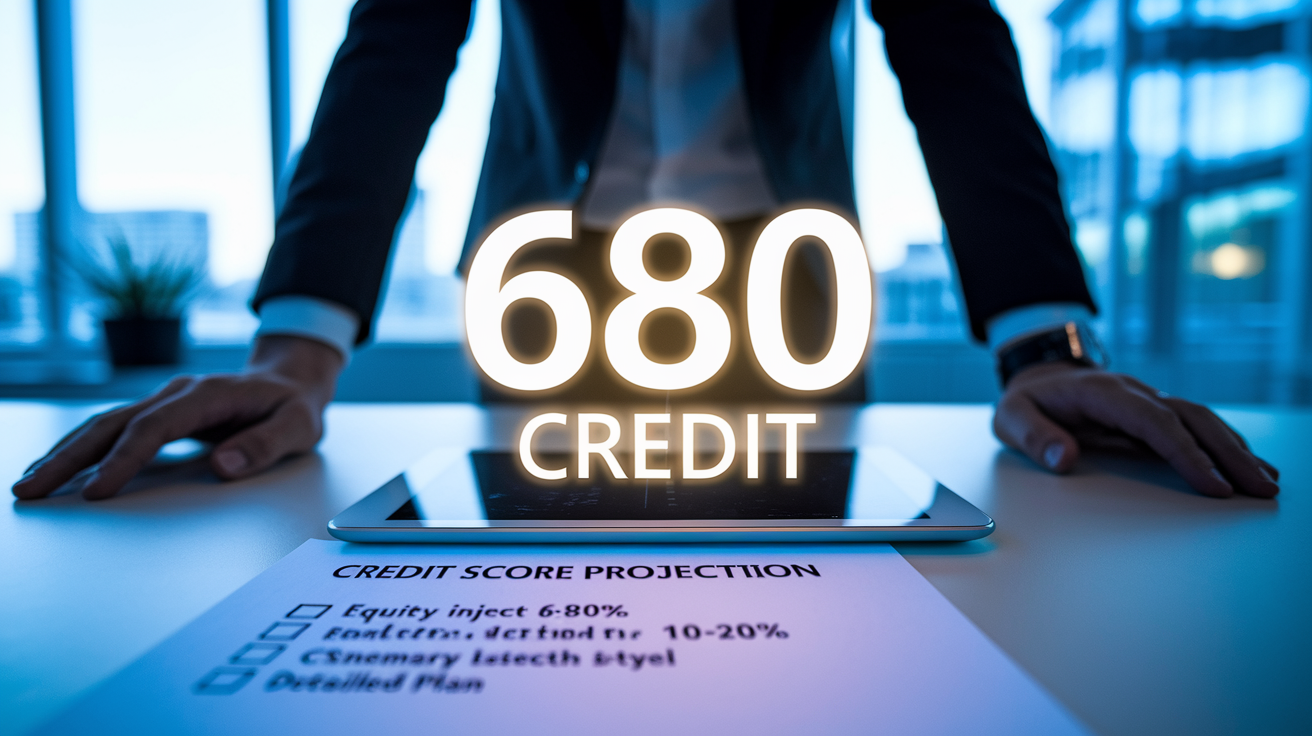
Yes, startups can qualify for an SBA 7(a) loan. The SBA doesn’t require existing revenue or operating history, but lenders will dig deeper into your preparation, planning, and personal finances than they would with an established company. Without tax returns to show consistent profit, your personal credit, industry background, and how much cash you’re willing to inject become the main signals that your business can survive and repay.
Most lenders want to see a baseline personal credit score of 680 or higher. Some will consider scores between 640 and 679 if you’ve got compensating strengths like serious collateral or deep cash reserves. You’ll need to inject equity into the project, usually 10% to 20% of total startup costs, proving you have real money at risk. Your business plan has to include realistic 3-year financial projections and month-by-month cash flow for the first year, showing exactly how and when revenue will cover loan payments.
The SBA requires every owner with 20% or more of the business to sign a personal guarantee, and lenders will take liens on all available collateral. Collateral alone won’t get you approved. But it does reduce the lender’s risk and can make the difference when your projections are tight.
Key startup eligibility factors:
- Personal credit score of 680 or higher preferred. Some flexibility down to 640 with strong compensating factors.
- Owner equity injection of 10% to 20% of total project cost is common and often required.
- Detailed business plan with 3-year financial projections and monthly first-year cash flow.
- Personal guarantee required from all owners holding 20% or more of the company.
- Available collateral will be used and liens taken on business assets for loans above $25,000.
- Relevant management or industry experience documented through resumes and references.
Core SBA 7(a) Eligibility Requirements Explained
To qualify for an SBA 7(a) loan, you need to operate a for-profit business located in the United States and meet the SBA’s definition of a small business based on your industry’s NAICS code size standards. These standards vary by industry and depend on either employee count or average annual receipts. The SBA doesn’t publish a single revenue threshold that applies to every business.
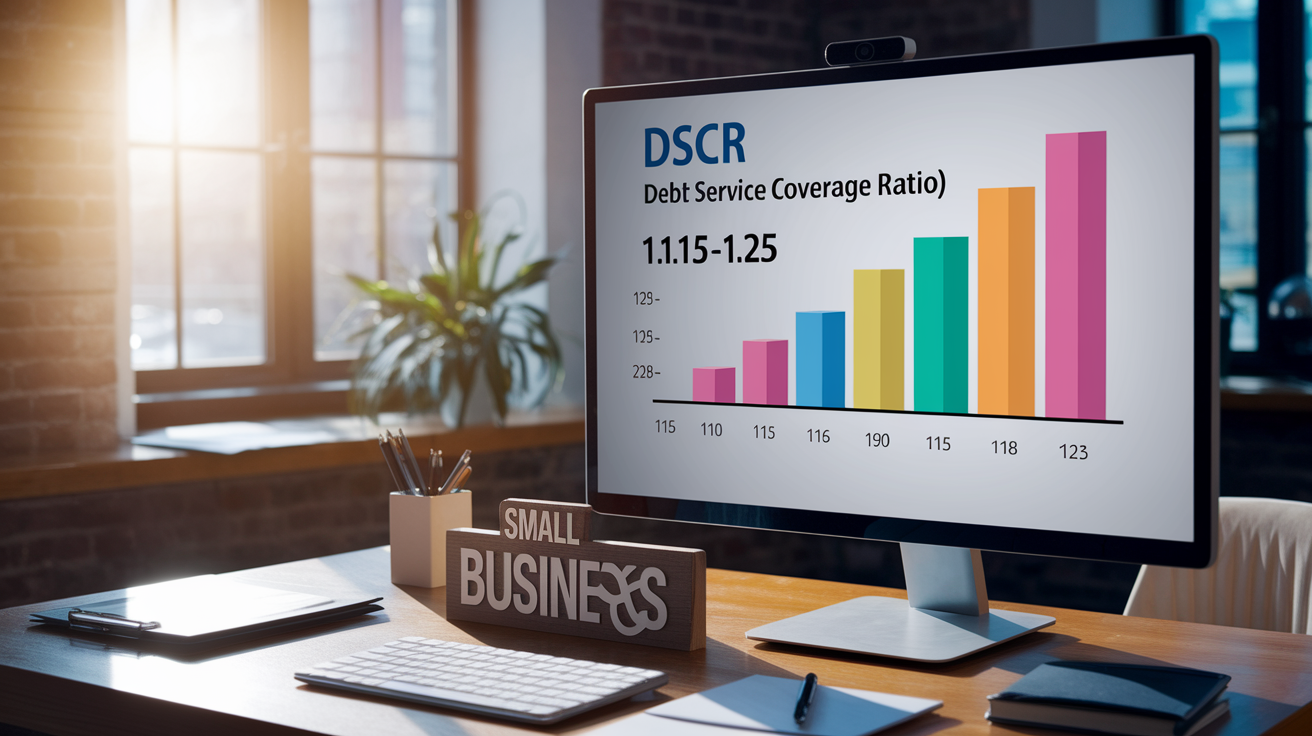
Your business has to show the ability to repay the loan. For startups, that means producing financial projections that demonstrate positive cash flow within a reasonable period. Lenders typically look for a Debt Service Coverage Ratio of at least 1.15 to 1.25. Your projected net operating income should cover debt payments by 15% to 25%. Because you don’t have historical financials, your projections will get tested hard for realistic assumptions about pricing, sales volume, and operating expenses.
Acceptable uses of SBA 7(a) proceeds for startups include purchasing equipment, funding working capital, buying an existing business, launching a franchise, and acquiring or improving owner-occupied commercial real estate. Real estate purchases for investment or speculation aren’t eligible. The SBA also restricts lending to certain industries like illegal activities, pyramid schemes, gambling businesses, and lending businesses. If your operation falls into a regulated industry like medical services or food production, expect additional documentation around licensing and permits.
All owners with 20% or greater ownership must personally guarantee the loan, and the SBA typically requires liens on business assets when loan amounts exceed $25,000. Lenders will also ask for a personal financial statement from each guarantor and will evaluate personal liquidity, net worth, and existing debt when deciding whether your household finances can support the business during lean months.
How SBA 7(a) Requirements Differ for Startups vs. Existing Businesses

Startups face more intense scrutiny because they can’t produce tax returns or bank statements showing consistent revenue and profitability. An established business submits 2 to 3 years of business tax returns and recent profit and loss statements to prove cash flow. A startup relies entirely on projections, which lenders treat as less certain, so they demand more from the founder’s personal financial profile and planning rigor.
Lenders evaluating startups typically require stronger personal credit scores, often 680 or above. An existing business with solid revenue might get approved in the mid 600s if its operating history is clean. Startups also face higher equity injection expectations, commonly 10% to 20% of project costs, because lenders want to see the owner has skin in the game. An established business refinancing equipment or adding working capital may inject little or no additional equity because its cash flow history speaks for itself.
Documentation volume and detail increase sharply for startups. Where an existing business provides historical financials and interim statements, a startup must produce a comprehensive business plan, detailed financial projections spanning 3 years, month-by-month cash flow for year one, market research, competitor analysis, and resumes documenting relevant management experience. Lenders will cross check every assumption in your projections and ask pointed questions about customer acquisition, pricing strategy, and break-even timelines.
Key differences for startup borrowers:
- Personal credit and liquidity carry more weight because business history doesn’t exist to offset risk.
- Equity injection percentages are higher, commonly 10% to 20%, compared to minimal or zero equity for established cash flowing businesses.
- Documentation must include detailed projections, market research, and owner experience resumes instead of relying on tax returns and bank statements.
- Collateral and personal guarantees become more critical to approval when there’s no proven revenue stream to demonstrate repayment ability.
Required Documents for a Startup Applying for an SBA 7(a) Loan
The documentation checklist for a startup SBA 7(a) loan is longer and more detailed than what established businesses provide because lenders can’t verify your business claims through tax filings or historical financials. Start by assembling personal tax returns for the past 2 to 3 years for every owner with 20% or greater ownership. These returns show income stability, tax compliance, and personal financial behavior that lenders use to predict how you’ll manage business finances.
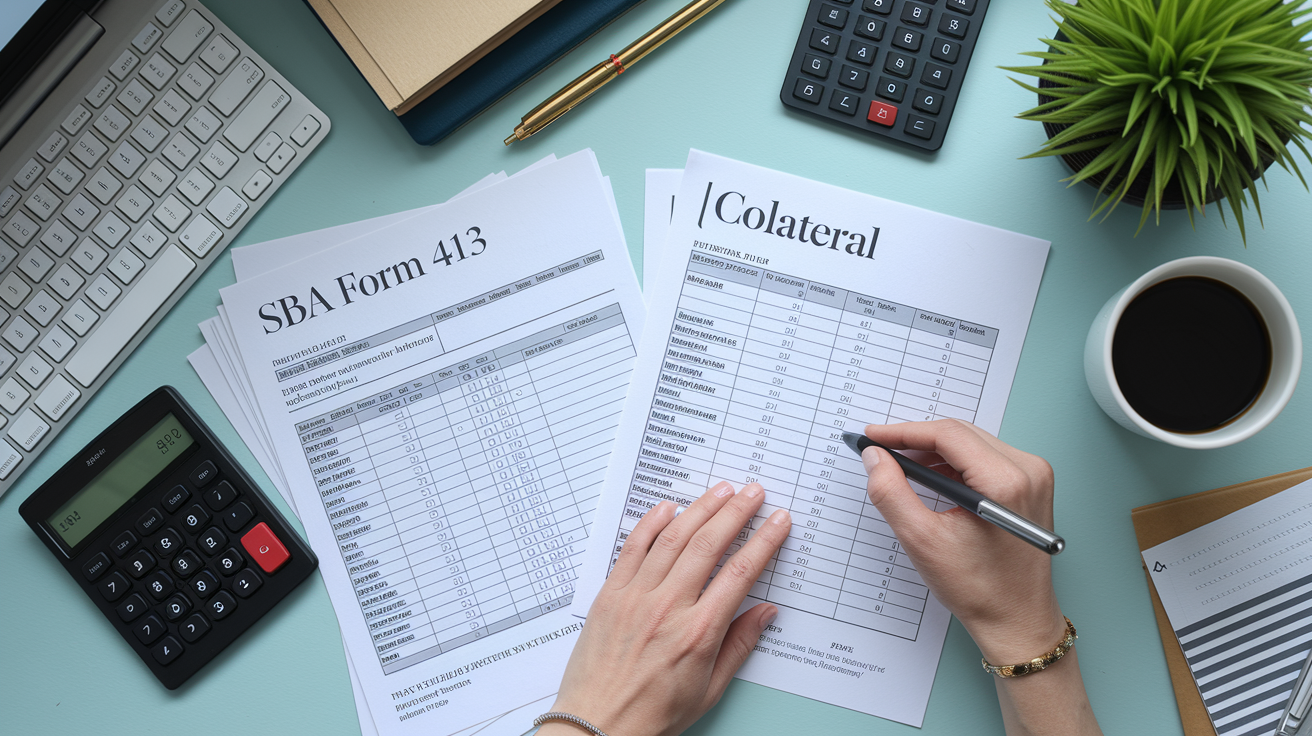
Your business plan needs to be thorough and lender ready, not a generic template. Include a clear description of your business model, target market, competitive landscape, pricing strategy, sales projections, and operating assumptions. Attach 3 years of financial projections with monthly detail for the first 12 months, showing revenue, cost of goods sold, operating expenses, debt service, and net cash flow. Lenders will test your assumptions, so be prepared to explain every number. You’ll also complete a personal financial statement, typically on SBA Form 413, listing all assets, liabilities, income sources, and monthly expenses, dated within the last 30 days.
Collateral documentation is essential. If you’re buying equipment, provide invoices and purchase agreements. If real estate is involved, supply appraisals, purchase contracts, and property deeds. Submit bank statements for the past 6 to 12 months to show cash reserves and transaction history. Prepare resumes for all owners and key managers highlighting relevant industry experience, prior business ownership, management roles, and any specialized training or certifications that support your ability to operate successfully.
Essential documents to gather:
- Personal tax returns for the past 2 to 3 years for all owners with 20% or greater ownership.
- Business plan with detailed narrative covering market, operations, management, and competitive positioning.
- Financial projections for 3 years, with monthly cash flow detail for the first year.
- Personal financial statement completed on SBA Form 413, dated within 30 days.
- Bank statements covering the last 6 to 12 months for all personal and business accounts.
- Resumes documenting relevant industry experience, management background, and prior business success.
- Collateral documentation including equipment quotes, purchase agreements, property appraisals, titles, and lease agreements.
Key Factors That Improve Startup Approval Chances

Strong personal credit is the foundation of a startup SBA loan approval. Lenders see your personal credit score and payment history as the best predictor of how you’ll handle business debt when revenue is unpredictable. Aim for a score of 680 or higher and clear up any outstanding collections, charge offs, or late payments before you apply. If your score sits in the 640 to 679 range, you can still qualify if you bring extra collateral, higher equity injection, or substantial cash reserves that cover several months of operating expenses and loan payments.
Relevant industry experience dramatically improves approval odds. Lenders want to see that you’ve worked in or managed businesses in the same field, understand the operational challenges, and have connections or knowledge that reduce startup risk. Document your experience in detail on your resume and be ready to discuss how prior roles prepared you to run this operation. If you lack direct industry experience, highlight transferable management skills, business ownership, or partnerships with experienced advisors or co-founders who fill the gap.
Your willingness to invest personal capital signals commitment and reduces lender risk. Plan to inject 10% to 20% of total project costs as equity. The more cash you put in, the stronger your application. Lenders also evaluate your personal liquidity beyond the equity injection, checking whether you have enough reserves to cover 3 to 6 months of household and business expenses if revenue starts slower than projected. Conservative financial projections that show gradual, realistic growth rather than aggressive hockey stick curves also build credibility and trust with underwriters.
Five steps to strengthen your SBA 7(a) application:
- Improve your personal credit score to 680 or above and resolve any delinquencies or collections before applying.
- Document relevant industry experience through detailed resumes, references, and evidence of prior business success or management roles.
- Prepare to inject 10% to 20% of project costs as personal equity and maintain additional liquid reserves covering several months of expenses.
- Provide detailed, conservative financial projections with clear assumptions and monthly cash flow that shows positive debt service coverage within 12 to 18 months.
- Assemble strong collateral documentation and be transparent about asset values, liens, and ownership to maximize lender confidence and reduce perceived risk.
What to Do If Your Startup Doesn’t Qualify for an SBA 7(a) Loan

If your startup is denied for an SBA 7(a) loan, the most common reasons are insufficient personal credit, lack of industry experience, weak projections, or inadequate collateral and equity. Review the denial letter carefully to understand which factors disqualified you, then work to address those gaps before reapplying. Improving your credit score by 20 to 40 points, increasing your cash reserves, or bringing on a co-founder with relevant experience can change the outcome within 6 to 12 months.
While you work on strengthening your SBA application, explore alternative funding sources that have more flexible qualification standards or faster timelines. SBA Microloans, for example, are administered by community based lenders and can fund up to $50,000 with lower credit and collateral requirements. Equipment financing is another accessible option because the equipment itself serves as collateral, reducing the lender’s risk even if you have limited operating history. Business lines of credit from online lenders or community banks may offer smaller amounts with faster approval, allowing you to launch and build a financial track record that supports a future SBA application.
Alternative funding options to consider:
- SBA Microloans up to $50,000 through nonprofit and community lenders with flexible credit and income requirements.
- Equipment financing or leasing that uses the purchased equipment as collateral and may approve startups with limited credit history.
- Business lines of credit from online lenders or community banks offering smaller amounts and faster decisions than traditional SBA loans.
- Friends and family loans with clear written terms, repayment schedules, and documentation to avoid future disputes or misunderstandings.
- Equity investment from angel investors, crowdfunding platforms, or small business accelerators that provide capital without requiring monthly debt payments.
Final Words
In the action: startups can meet sba 7a loan requirements for startups if they show solid personal credit, a clear business plan, enough owner investment, and the right documents.
This guide walked through who qualifies, core SBA rules, how startups differ from established firms, the paperwork lenders want, ways to improve approval odds, and sensible alternatives if you don’t qualify.
If you match the checklist and tighten projections, your odds improve. Get your docs ready, and you’ll have a real shot at funding and be ready to meet sba 7a loan requirements for startups.
FAQ
Q: How hard is it to get an SBA 7A loan or a $1,000,000 business loan?
A: Getting an SBA 7(a) loan or a $1,000,000 business loan is possible but depends on credit, proven cash flow, time in business, equity injection, and collateral. A $1M request faces higher revenue and documentation standards.
Q: What disqualifies you from an SBA loan and what are common reasons 7A loans are denied?
A: Disqualifiers for an SBA loan and common 7(a) denial reasons include poor personal credit, insufficient cash flow to repay, inadequate equity injection, weak or missing business plan, recent bankruptcy, ineligible industry, or missing documents.