

Think new businesses can’t get SBA 7(a) loans? Think again.
Startups can apply, but approval isn’t automatic just because the SBA backs part of the loan.
Lenders still want proof you’ll repay: good personal credit, a real owner cash injection, believable month-by-month projections, and the right documents.
They’ll also expect personal guarantees and collateral when available.
This post walks you through the exact eligibility checklist and what to show a lender so your startup stands a real chance.
Core Eligibility Requirements for Startups Seeking SBA 7(a) Funding

Yes, startups can qualify for SBA 7(a) loans. The SBA doesn’t block new businesses from applying. But clearing the basic eligibility checklist won’t get you approved on its own. The SBA backs part of the loan, sure. Banks still underwrite it and decide whether to fund you.
For a startup, that means proving the loan gets repaid without two years of cash flow on the books. Lenders dig into personal credit, how much cash you’re putting in, your background in the industry, and whether your business plan shows a real path to breakeven and debt coverage. If the math doesn’t add up, you’re not getting the loan. Doesn’t matter how good the idea sounds on paper.
Here’s what startups need to meet for eligibility:
- For profit and legally registered — You’ve got to operate as a for profit business entity, registered in the U.S. or its territories, with all required licenses and permits in place.
- Meet SBA size standards — Your business has to qualify as “small” under SBA definitions, which vary by industry and depend on employee count or annual revenue.
- Good personal credit — Most lenders want a personal credit score of at least 650. You’re in better shape at 680 or above.
- Equity injection of 10 to 20% — Lenders typically want startup owners to put in cash equal to 10 to 20% of the total project cost, and they’ll verify it through bank statements.
- Personal guarantees from all 20%+ owners — Anyone owning 20% or more has to personally guarantee the loan and submit a personal financial statement.
- Collateral when available — Lenders must take available collateral (equipment, real estate, inventory) for loans over $25,000, but you won’t get disqualified just because collateral doesn’t fully cover the loan if other factors are strong.
- Allowed industry and use of funds — Your business can’t be primarily engaged in lending, passive real estate investment, speculation, or gambling. Loan proceeds have to go toward eligible uses like working capital, equipment, inventory, or leasehold improvements.
- Ability to demonstrate repayment — Even without operating history, you need to show through projections that cash flow will cover debt service, usually at a 1.15 to 1.25 debt service coverage ratio or higher.
Understanding SBA’s Definition of a Startup and How It Impacts Eligibility

The SBA generally treats a business as a startup if it’s got less than two years of operating history. That includes pre revenue companies and those still working toward profitability. The two year mark matters because lenders handle businesses differently once they cross it. Below two years, you don’t have historical financials to prove cash flow, so lenders lean harder on projections, owner background, and personal credit.
Startups get tighter scrutiny on their business plans and financial models. Lenders want realistic month by month projections for at least the first 12 months and annual forecasts for years two and three. They’ll test your assumptions on revenue ramp, operating expenses, and breakeven timing. If your projections show profit in month three with no explanation of how customers will show up that fast, the application stops there. For a startup, the business plan isn’t context. It’s the primary evidence that the loan gets repaid.
Credit Score Expectations and Financial Background Requirements

Personal credit carries extra weight for startups. When there’s no business credit history or tax returns, lenders look at founder creditworthiness as a stand in for how the business will handle debt.
Here’s what lenders check on the personal credit side:
- Minimum credit score of 650 — Most SBA lenders set a floor around 650, with 680 or higher improving approval odds and rate.
- Recent payment history — Late payments, charge offs, or collections in the last 12 to 24 months raise red flags, even if your score is above the threshold.
- Debt to income ratio — Lenders review your existing personal debt load relative to income to confirm you can handle a personal guarantee if the business stumbles.
- Bankruptcy or foreclosure timing — Recent bankruptcies (within the last two years) or unresolved foreclosures typically disqualify you. Older events may be acceptable with explanation.
- Outstanding federal debt or tax liens — Delinquent federal student loans, SBA loan defaults, or unresolved IRS liens will block SBA approval until resolved or in good standing under a repayment plan.
Lenders also look at liquidity. They want to see cash reserves or personal assets that can cover a few months of loan payments if the startup takes longer to generate revenue than projected. If you’re maxed out personally and the business has zero runway, the risk profile doesn’t work for long term debt. Doesn’t matter what the credit score says.
Required Equity Injection and Owner Investment Expectations
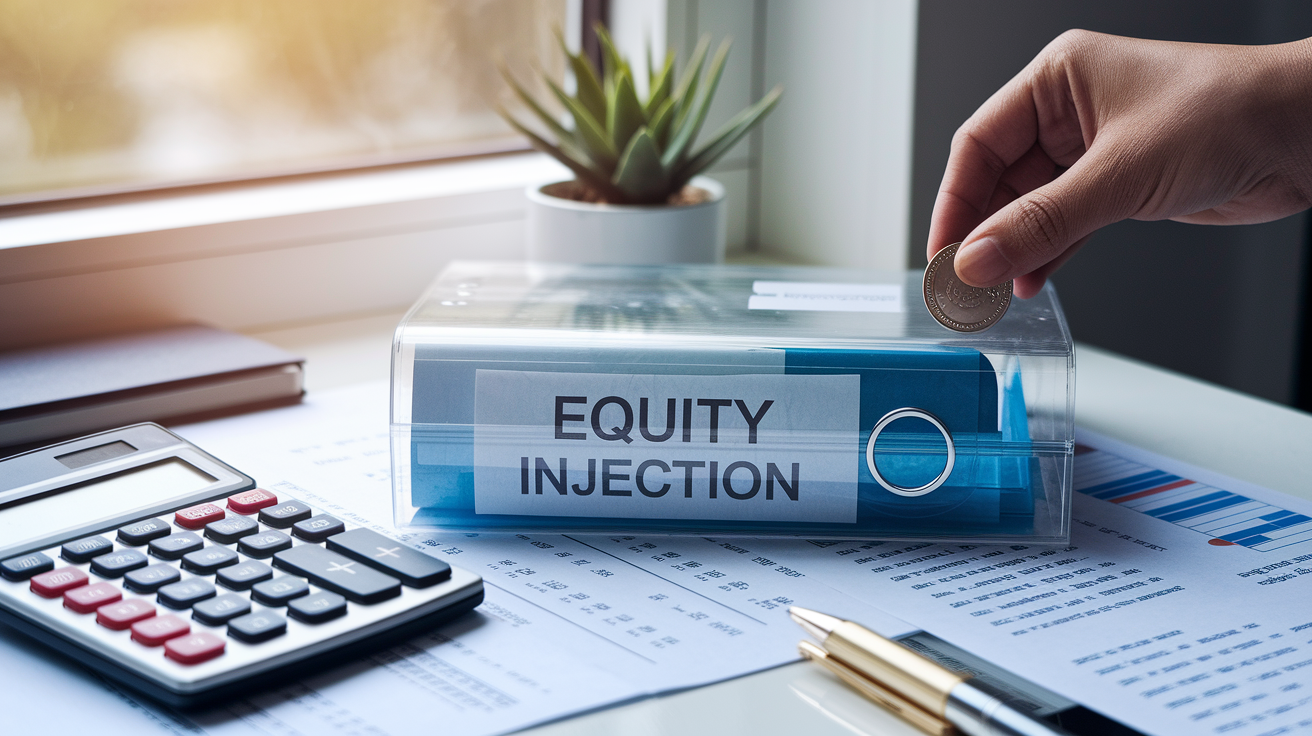
Lenders expect startup owners to have real money in the deal. The standard equity injection range is 10 to 20% of the total project cost, but higher risk startups or those with limited collateral may be asked for 20 to 30%. This isn’t a formality. It shows commitment and gives the lender confidence that you won’t walk away if things get hard.
Equity has to be verifiable. That means cash shown in bank statements, documented transfers into the business account, or purchase receipts for equipment or inventory you already bought. Borrowed funds don’t count as equity unless they’re subordinated to the SBA loan and fully documented, which most lenders won’t accept from a startup.
Here’s how equity injection works in practice:
- Calculate total project cost — Add up startup costs, working capital needs, equipment purchases, and any other expenses the loan will cover.
- Determine required owner contribution — Multiply the total by the lender’s equity requirement, typically 10 to 20%, to find the dollar amount you must inject.
- Verify source of funds — Provide bank statements or asset documentation proving the cash is available and wasn’t borrowed on undisclosed terms.
- Timing of injection — Some lenders require equity to be injected before loan closing. Others allow it at closing or in stages tied to project milestones.
If you can’t meet the equity threshold, the loan won’t close. Lenders won’t reduce it because you asked. Either find the cash, bring in a co investor who contributes equity, or wait until you’ve saved enough to meet the requirement.
Collateral, Personal Guarantees, and Risk Mitigation for Startups

SBA policy requires lenders to take collateral when it’s available for loans over $25,000. That includes business assets like equipment, inventory, receivables, and real estate, plus personal assets if business collateral doesn’t fully cover the loan. Lack of full collateral won’t automatically disqualify a startup, but it shifts more weight onto personal guarantees and financial strength.
Personal guarantees are mandatory for all owners with 20% or greater ownership. That means if the business defaults, the lender can pursue your personal assets to recover the debt. It’s not optional. You’ll sign a personal guarantee, submit a personal financial statement on SBA Form 413, and potentially pledge personal real estate or other assets as additional security. Lenders use this to close the gap between business collateral and loan amount.
For startups with limited hard assets, the personal guarantee becomes the primary backstop. If you own a home with equity, the lender may file a lien against it. If you’ve got liquid savings or investment accounts, those get disclosed and may be considered in the collateral package. The calculation is simple: the less the business owns, the more the founder’s personal balance sheet has to support the loan.
Documentation Requirements for Startup SBA 7(a) Applications

Startup applications need more documentation than renewals or refinances because there’s no operating history to review. Lenders need enough detail to underwrite the loan as if the projections were facts, which means every assumption has to be backed up.
You’ll need to provide:
- Detailed business plan — Include market analysis, competitive positioning, operational strategy, and management team background, with a clear explanation of how revenue will be generated and when breakeven occurs.
- Financial projections — Submit month by month cash flow projections for the first 12 months and annual projections for years two and three, tied to realistic assumptions on customer acquisition, pricing, and costs.
- Personal financial statement — Complete SBA Form 413 for all owners with 20% or more equity, listing assets, liabilities, income, and monthly expenses.
- Personal tax returns — Provide the last two to three years of personal tax returns for all guarantors.
- Business tax returns — If the business has filed any, include the last two years. If not, the projections carry the full weight.
- Use of proceeds breakdown — Provide an itemized list showing exactly how loan funds will be spent, down to the dollar.
- Resumes and industry experience — Include resumes for all owners and key managers, emphasizing relevant industry background and operational expertise that supports the business plan.
- Business formation documents — Submit articles of incorporation or organization, operating agreements, business licenses, and any applicable permits.
Missing or incomplete documentation is one of the fastest paths to denial. If the lender asks for three years of projections and you provide one, the file stops. If your use of proceeds list doesn’t match the loan request, it raises questions about whether you understand the capital need. For startups, documentation quality matters as much as credit score.
Common Disqualifiers for Startup SBA 7(a) Loan Applicants

Meeting the baseline eligibility checklist doesn’t guarantee approval. Startups get declined for specific, recurring reasons that have nothing to do with SBA rules and everything to do with lender risk assessment.
Unrealistic financial projections top the list. If your plan shows revenue doubling every quarter with no explanation of customer pipeline, distribution, or capacity, it won’t survive underwriting. Lenders have seen thousands of startup projections. They know what reasonable growth looks like. They know when founders are guessing.
Here are the most common disqualifiers:
- Ineligible industry — Businesses primarily engaged in lending, passive investment, speculative real estate, or gambling are excluded from SBA 7(a) financing.
- Insufficient equity injection — Failing to meet the 10 to 20% owner investment threshold, or trying to count borrowed money as equity, will stop the application.
- Poor personal credit or unresolved federal debt — Credit scores below 650, recent bankruptcies, or outstanding federal tax liens or defaulted student loans disqualify applicants until resolved.
- Weak or missing business plan — Submitting a generic template plan with no financial detail, market analysis, or repayment logic signals the business isn’t ready for debt.
- No relevant owner experience — If the founder has no background in the industry and no co founder or employee with operational expertise, lenders view the risk as too high.
- Projections that don’t support debt service — If projected cash flow can’t cover monthly loan payments with a cushion (typically 1.15x coverage or higher), the loan won’t be approved, even if everything else checks out.
If you’re declined, ask the lender for the specific reason. “Doesn’t meet our credit standards” is vague. “Projections show negative cash flow in months 4 through 9 with no reserve plan” tells you what to fix before reapplying.
Differences Between Startup and Established Business Eligibility

Established businesses apply with tax returns, profit and loss statements, and balance sheets that prove cash flow. Startups apply with projections, owner background, and a plan. That difference changes everything about how lenders evaluate risk. An established business can show a 1.25 debt service coverage ratio using last year’s income. A startup has to convince the lender that next year’s projected income is real and repeatable.
Lenders also expect higher equity contributions from startups and weigh personal credit more heavily. If you’ve been in business for five years with clean financials, a 680 credit score might be fine. For a startup, that same 680 gets more scrutiny, and a 720 would be better. The lack of operating history shifts risk assessment to the founder’s financial behavior and industry track record. If you’ve never run a business and your personal finances are shaky, the startup path through SBA 7(a) is going to be harder than it would be two years from now with revenue on the books.
Alternatives for Startups That Do Not Qualify for SBA 7(a)
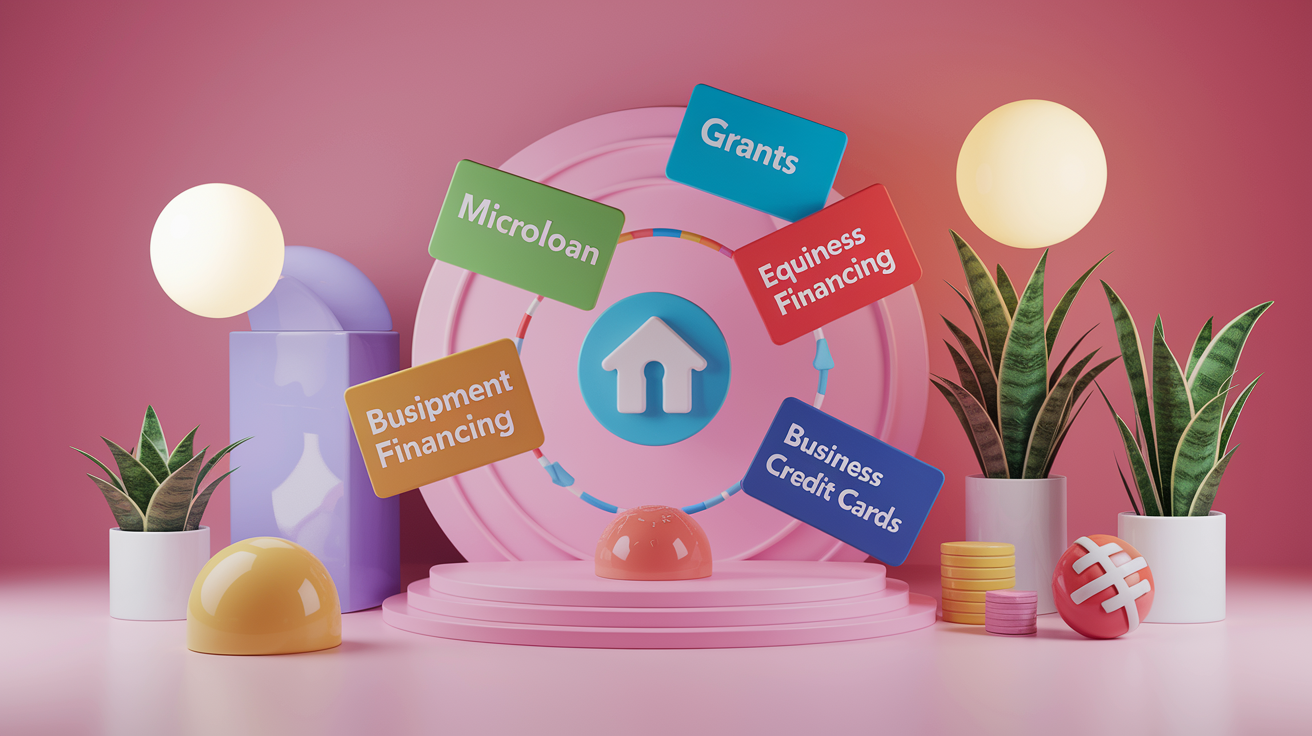
If you don’t qualify for an SBA 7(a) loan yet, there are other funding paths that match earlier stage businesses or lower credit profiles. The terms won’t be as favorable, but they can get you operating capital while you build the track record needed for a 7(a) later.
- SBA Microloan program — Loans up to $50,000 administered through community based lenders. More flexible on credit and income, often designed specifically for startups and underserved businesses.
- SBA Community Advantage loans — Offered by nonprofit and mission driven lenders with looser underwriting standards than traditional banks. Good for businesses in low income areas or with nontraditional credit.
- Equipment financing — Asset backed loans that use the purchased equipment as collateral. Easier to qualify for than unsecured working capital and often available to startups with decent credit.
- Business credit cards — Useful for covering near term expenses under $10,000 and building business credit history, but risky if you carry balances due to high interest rates.
- Grants and competitions — Nonrepayable funding from government agencies, corporations, or startup accelerators. Highly competitive and time consuming to apply for, but no debt or equity dilution.
- Friends, family, and angel investors — Equity or convertible note financing from individuals. Faster than institutional funding and often more flexible, but involves giving up ownership or future repayment obligations.
Final Words
In the action the piece lays out the must-haves. Decent personal credit, a clear business plan and projections, a 10-20% equity injection, personal guarantees, collateral if available, and the usual docs lenders ask for. It also covers what disqualifies startups and realistic alternatives.
Focus on fit. Lenders want proof you can repay and startups must show owner skin in the game.
If you don’t yet meet sba 7a loan eligibility for startups, shore up documents, strengthen projections, or pursue other small-business options. You’ve got a path forward.
FAQ
Q: Who qualifies for an SBA 7A loan and are startups eligible for SBA loans?
A: Who qualifies for an SBA 7(a) loan and whether startups are eligible depends on meeting SBA size rules, decent personal credit (often 650+), owner equity (commonly 10–20%), and personal guarantees; startups can qualify if they show repayment ability and owner investment.
Q: How hard is it to get a $1,000,000 business loan?
A: Getting a $1,000,000 business loan is harder than smaller loans because lenders want stronger, proven cash flow, longer operating history, higher credit, more collateral, and detailed projections; startups face even tougher scrutiny.
Q: What is the 20% rule for SBA?
A: The 20% rule for SBA means owners who hold 20% or more of the business must provide a personal guarantee, and lenders commonly expect owners to inject about 10–20% equity into the business.