

Think bad credit means no credit? Not true.
If your FICO is in the 500s you can still get a small business line of credit, but it depends on your cash coming in, how long you’ve been open, and the lender you choose.
This post lays out the fastest paths: which online and alternative lenders work with low scores, the revenue and months-in-business you’ll need, the exact documents to have ready, and the tradeoffs between speed and cost.
Read on to find the right fit and apply fast.
Immediate Ways to Qualify With Low Credit

Most fintech and alternative lenders accept personal credit scores between 500 and 600 for business lines of credit. If your FICO sits anywhere in that range, you can qualify with the right lender. Banks rarely approve scores under 650, so skip them if your credit’s weak and focus on online lenders that underwrite primarily on revenue and cash flow. The fastest approval pathways run through platforms that soft pull your credit first, then match you to lenders who specialize in bad credit business funding.
Expect lenders to require at least six months in business and monthly revenue between $3,000 and $10,000. Some fintech platforms approve same day or within 24 to 72 hours if your bank statements show consistent deposits. Revenue matters more than credit in these decisions. If you’re pulling $5,000 a month in sales and can document it with three months of bank statements, you’re in the qualification zone even if your personal score is 550.
Here’s what you need to qualify fast:
- Personal credit score of at least 500 to 550 (some lenders accept lower with strong revenue)
- Six to twelve months in business with verifiable operating history
- Monthly revenue of $3,000 to $10,000 minimum, shown through bank statements
- Basic documentation: business bank statements (last three to six months), tax ID, business formation documents
- A business checking account separate from personal accounts
- Willingness to accept higher rates and fees in exchange for speed and approval flexibility
If you hit those minimums and apply to the right lender type, you can receive approval in one to three days and funding within a week. Traditional banks won’t move that fast. And they won’t approve you with weak credit. Stick to online and alternative lenders.
Pros and Cons of Using a Line of Credit With Low Credit

A line of credit gives you revolving access to funds, so you only pay interest on what you draw. That flexibility is the main reason businesses with tight cash flow pick lines over term loans. You can tap the line when payroll hits, then pay it down when a big invoice clears. If your revenue’s lumpy, revolving credit smooths the gaps without forcing you into a fixed monthly payment you can’t always cover.
The tradeoff is cost. Low credit borrowers pay higher interest rates, origination fees, and sometimes monthly maintenance or draw fees. Rates commonly sit between 25% and 60% APR, and some lenders layer on fees that push the effective cost even higher. If you don’t manage draws carefully, revolving credit can become expensive fast.
Pros:
- Revolving access means you draw only what you need, when you need it
- Interest charges apply only to the outstanding balance, not the full credit limit
- You can reuse the line as you pay it down, avoiding new applications every time you need cash
- Approval is possible even with credit scores in the 500 to 600 range
- Funding speed is faster than banks, often within days
Cons:
- Interest rates for low credit borrowers typically range from 25% to 60% APR or higher
- Origination fees, draw fees, and monthly maintenance fees add to the total cost
- Credit limits for weak credit applicants are often smaller, sometimes capped at $25,000 to $50,000
- Personal guarantees are almost always required, putting your assets at risk if the business defaults
- Missed payments can trigger rate increases, line suspension, or acceleration of the balance
Lender Types That Approve Low Credit Borrowers
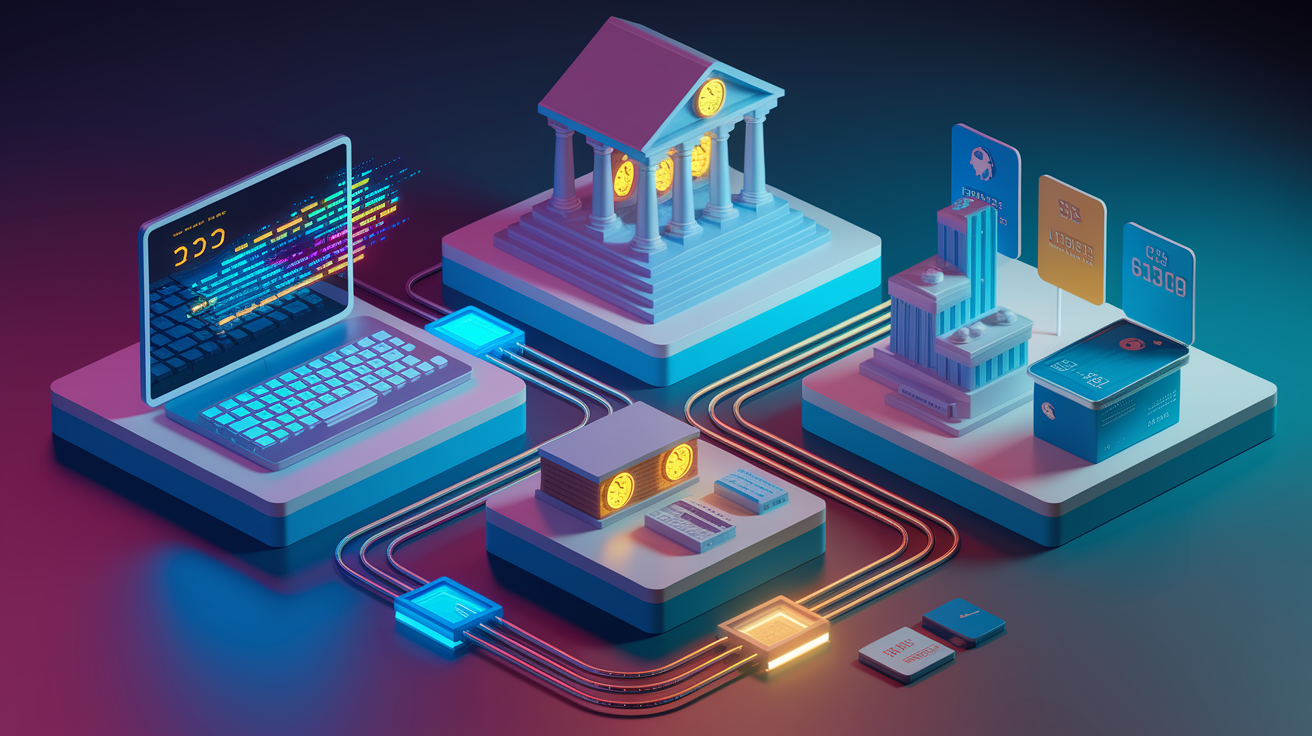
Banks don’t approve credit scores under 650 for unsecured lines of credit. If your score sits below that, you’ll waste time applying to traditional banks. The lenders that work with low credit fall into three main categories, each with different approval criteria, funding speed, and cost structures.
Online Fintech Lenders
Online fintech lenders underwrite primarily on revenue and bank account activity, not just credit scores. They accept personal FICO scores as low as 500 to 550 if your business shows consistent monthly deposits. Approval decisions happen in minutes to 48 hours because underwriting is automated and based on cash flow patterns pulled directly from your bank statements. Funding typically arrives within one to seven days. Rates run higher than banks, usually 18% to 60% APR, and most fintech lenders cap lines between $5,000 and $250,000 depending on your revenue. Expect origination fees of 1% to 5% and possibly a monthly maintenance fee. These lenders move fast and approve weak credit, but the cost reflects the risk they’re taking.
Community Banks and Credit Unions
Community banks and credit unions sometimes approve scores in the 600 to 650 range if you have an established relationship or offer collateral. They won’t approve anything under 600 without strong compensating factors like two years of clean financials or a personal guarantee backed by real estate. Approval timelines stretch to two to six weeks because underwriting is manual and relationship based. Rates are lower than fintech lenders, typically 8% to 25% APR, and credit limits can reach $50,000 to $500,000 for qualified borrowers. If you’ve banked locally for years and can offer equipment or receivables as collateral, a credit union may work. Otherwise, skip this category if your score’s under 600 and you need funding quickly.
Alternative Lenders (Cash Flow Underwriting)
Alternative lenders include merchant cash advance providers, invoice factoring companies, and revenue based lenders. These lenders approve borrowers with very low or even no minimum credit score because they underwrite on business cash flow, not personal credit history. Merchant cash advance providers look at daily credit card sales and advance funds against future receivables, often funding within 24 to 72 hours. Invoice factoring companies buy your unpaid invoices at a discount and fund within a week, basing approval on your customers’ creditworthiness rather than yours. Revenue based lenders advance cash against monthly sales and collect repayment as a percentage of revenue. Costs are high, with effective APRs often exceeding 40% to 100%, but approval odds are the highest in this category if you have steady sales or reliable receivables.
Eligibility Requirements and Revenue Minimums
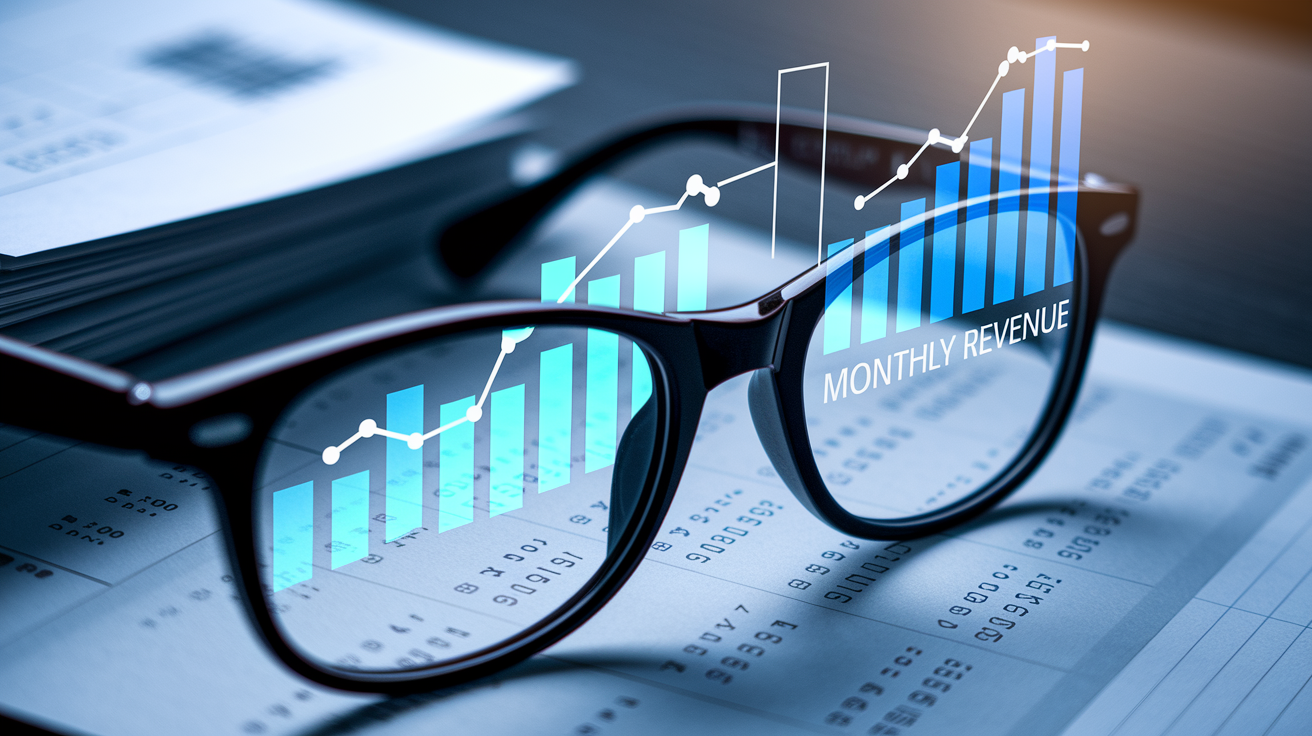
Most lenders that approve low credit require at least six to twelve months in business. If you launched three months ago, your options shrink to merchant cash advance or very small short term advances. Revenue minimums vary by lender but commonly sit between $3,000 and $10,000 per month. Some online lenders accept $50,000 annual revenue. Others want $100,000 or more before they’ll offer a meaningful line size.
Lenders verify revenue by pulling three to twelve months of business bank statements. They’re looking for consistent deposits, not sporadic spikes. If your monthly revenue swings from $2,000 to $15,000, underwriters flag volatility and either decline you or offer a smaller line. Clean, steady cash flow improves approval odds even when credit is weak.
Expect to meet these baseline requirements across most low credit lenders:
- Six to twelve months in continuous business operation with verifiable transaction history
- Monthly revenue of at least $3,000 to $10,000, documented through business bank statements
- A dedicated business checking account separate from personal finances
- Personal credit score of 500 to 600 minimum, though some alternative lenders approve lower scores with strong cash flow
- No recent bankruptcies (most lenders require one to two years since discharge)
- No active tax liens or unresolved judgments (some lenders accept satisfied liens)
- Ability to provide a personal guarantee, which is standard for low credit applicants
If you hit these minimums, you’re eligible for at least some line of credit products, even if your personal FICO is 520. The lender will price the line based on your risk profile, but approval is realistic.
Documentation Checklist for Low Credit Applicants

Lenders move faster when you submit complete documentation upfront. Missing a single document can delay approval by days or trigger an automatic decline. Low credit applicants don’t get the same flexibility as high credit borrowers, so accuracy and completeness matter.
Gather these documents before you start an application:
- Last three to six months of business bank statements showing all deposits and withdrawals
- Last one to two years of business tax returns (Schedule C, 1120, or 1120-S depending on entity type)
- Last one to two years of personal tax returns including all schedules
- Year to date profit and loss statement and balance sheet, prepared or reviewed by an accountant if possible
- Business formation documents: Articles of Organization or Incorporation, EIN confirmation letter, business license
- Valid government issued photo ID for all owners with 20% or more equity
- Voided business check or bank letter for ACH setup
- Accounts receivable aging report if applying for invoice financing. Merchant processor statements if applying for revenue based products.
If the lender asks for additional documentation during underwriting, provide it within 24 hours. Delays signal disorganization or cash flow problems, and underwriters use any excuse to decline marginal applications.
Ways to Qualify With Weak Credit Using Alternative Methods

Collateral, personal guarantees, and cash flow underwriting can override low credit scores. These methods shift risk away from your credit history and toward tangible assets, personal liability, or demonstrated revenue. If your score sits below 600, using one or more of these methods significantly increases your approval odds and can lower your rate.
Collateral
Secured lines of credit accept business assets as collateral, which reduces lender risk and opens approval pathways even with scores under 580. Equipment, inventory, accounts receivable, and commercial real estate all work as collateral. Lenders typically advance 50% to 80% of the appraised or book value of the asset. Offering collateral can drop your APR by 5 to 15 percentage points compared to an unsecured line, and it often increases the approved credit limit.
Ways collateral supports approval:
- Equipment financing or lines secured by machinery, vehicles, or technology assets you already own
- Accounts receivable lines that advance 70% to 90% of outstanding invoices, with the invoices themselves serving as collateral
- Inventory financing using raw materials or finished goods as collateral, common in retail and manufacturing
- Commercial real estate or personal property liens, which secure larger lines but put the property at risk if you default
Personal Guarantees
A personal guarantee makes you personally liable for the debt if the business can’t repay. Nearly all lenders require personal guarantees from owners with 20% or more equity when credit is weak. Adding a co-signer with stronger credit, such as a business partner or family member with a FICO above 680, can boost approval odds and lower the rate. Lenders view the co-signer’s creditworthiness as additional repayment security.
Ways personal guarantees increase approval confidence:
- Lenders can pursue your personal assets, bank accounts, and property if the business defaults, reducing their loss exposure
- Co-signers with higher credit scores improve the blended risk profile of the application
- Guarantees allow lenders to approve borrowers they’d otherwise decline based on business credit alone
- You signal commitment and confidence in your ability to repay, which carries weight in underwriting decisions
Cash Flow Based Underwriting
Cash flow underwriting evaluates your business based on bank account deposits and transaction history rather than credit scores. Fintech lenders and alternative lenders use algorithms that analyze three to twelve months of bank statements, looking for deposit frequency, average daily balance, and negative balance incidents. If your deposits are steady and you avoid overdrafts, you can qualify even with a 500 FICO.
Ways cash flow underwriting bypasses weak credit:
- Lenders prioritize monthly revenue over credit history, so consistent $8,000 to $10,000 monthly deposits can overcome a 550 score
- Automated underwriting pulls transaction data directly from your bank via secure API, delivering decisions in minutes
- Approval focuses on forward looking cash flow rather than past credit mistakes, which matters if your revenue’s growing
- You avoid the lengthy documentation requirements of traditional lenders, speeding up approval and funding timelines
Cost Expectations for Low Credit Lines of Credit
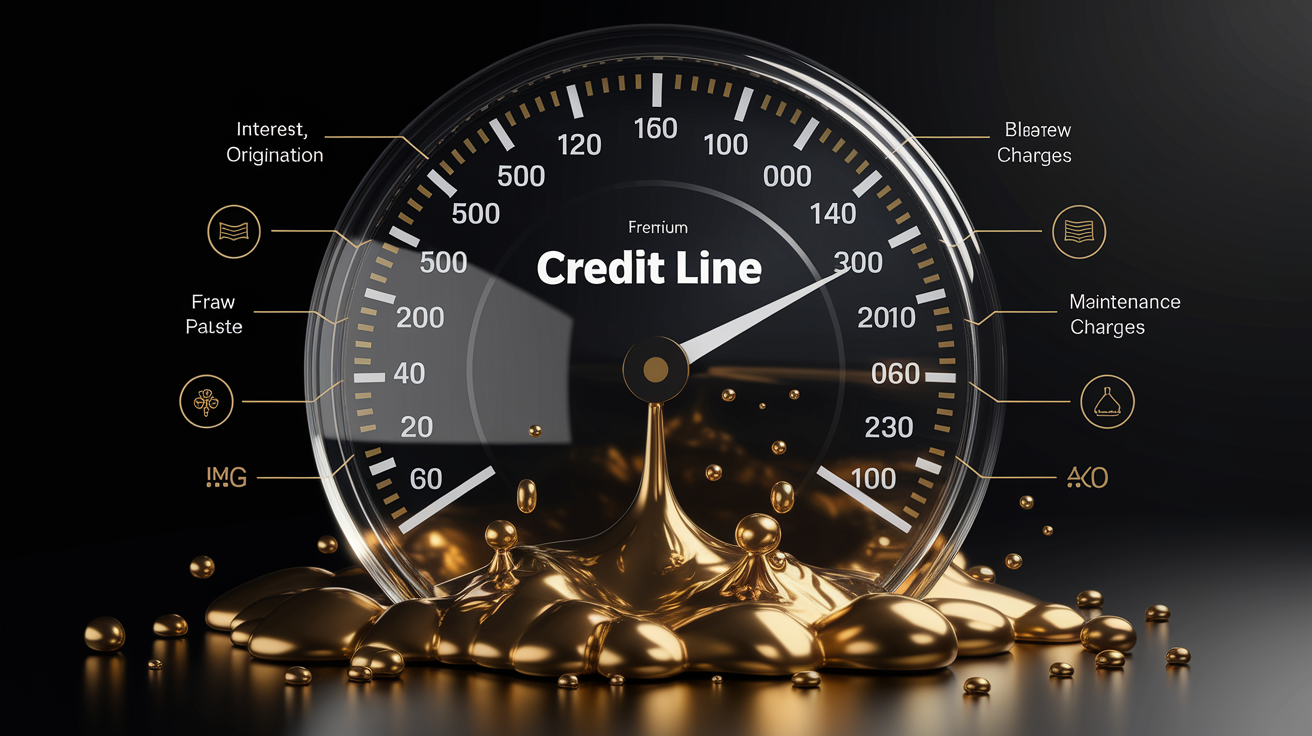
Low credit borrowers pay more. Rates for business lines of credit with credit scores between 500 and 650 commonly range from 25% to 60% APR, and some alternative products push effective costs above 60% when you factor in fees. Traditional banks offer prime plus pricing starting around 7% to 12% APR, but you won’t qualify for those rates with weak credit. Fintech and alternative lenders price for risk, and weak credit means higher risk.
Fees add to the total cost. Origination fees typically run 1% to 6% of the approved line amount. Some lenders charge monthly maintenance fees of $10 to $50 whether you draw on the line or not. Draw fees, which apply each time you access funds, can cost $25 to $100 per draw. If you’re pulling small amounts frequently, draw fees add up fast. Always calculate the effective APR by including all fees, not just the stated interest rate.
| Cost Type | Typical Range | Notes |
|---|---|---|
| APR (Interest Rate) | 25%–60% | Higher end applies to scores below 550 or very short business history. Some alternative products exceed 60% effective APR. |
| Origination Fee | 1%–6% of line amount | Charged upfront or rolled into the line balance. Non-refundable even if you don’t draw the full amount. |
| Monthly Maintenance Fee | $0–$50 per month | Charged regardless of usage. Adds up over time if you keep the line open but don’t draw frequently. |
| Draw Fee | $25–$100 per draw | Applied each time you access the line. Makes frequent small draws expensive. Some lenders waive this fee. |
If a lender quotes you 30% APR with a 4% origination fee, a $25 draw fee, and a $20 monthly maintenance fee, your true cost is higher than 30%. Run the numbers for your expected usage pattern before you sign. A line you plan to draw on ten times over six months will cost significantly more in fees than a line you draw once and pay down steadily.
Strategies to Improve Approval Odds and Strengthen Applications

You can improve your approval odds before you apply. Lenders evaluate more than just your credit score. They look at revenue trends, account stability, credit utilization, business structure, and financial documentation quality. Small improvements in any of those areas can shift an application from decline to approval or drop your rate by several percentage points.
Start with the fastest fixes and work toward longer term credit building actions. Lowering your personal credit utilization below 30% can raise your FICO by 10 to 30 points in 30 to 60 days. Bringing three to six months of clean bank statements with no overdrafts or NSF fees signals stability. If you can delay your application by 60 to 90 days, use that time to strengthen your profile.
Take these actions to strengthen your application:
- Pay down personal credit card balances to below 30% utilization on each card and overall. This is the fastest way to raise your FICO in 30 to 60 days.
- Increase business revenue consistency by ensuring deposits hit your business account at least twice per month for three to six months before applying.
- Separate personal and business finances completely. Run all business income through a dedicated business checking account and pay business expenses from that account only.
- Dispute credit report errors on both personal and business credit reports. File disputes with Experian, Equifax, and TransUnion and allow 30 to 45 days for resolution.
- Add a co-signer with a FICO above 680 if possible. Their stronger credit profile can lower your rate and increase your line size.
- Offer collateral such as equipment, receivables, or inventory to reduce lender risk and improve approval odds.
- Obtain a DUNS number from Dun & Bradstreet and open at least two trade credit accounts that report to business credit bureaus. On time payments build your business credit profile over six to twelve months.
- Prepare a simple 12 month cash flow forecast and a one page business summary explaining how you’ll use the funds and how you’ll repay from revenue. Lenders appreciate clarity and planning, especially when credit is weak.
If you can implement even three or four of these strategies before applying, your approval odds go up and your cost goes down. Low credit doesn’t disqualify you, but stronger compensating factors make the difference between a decline and a funded line at a manageable rate.
Final Words
Get moving, this post laid out fast paths — who accepts low scores, revenue thresholds, the quick documents to have, and lenders that fund in 24–72 hours.
We also covered costs, pros and cons, and steps to strengthen your application, like steady deposits, collateral, or a personal guarantee.
Gather 3 months of bank statements and revenue totals and compare lenders. For a straight plan on how to qualify for a small business line of credit with low credit, you’ve got a workable roadmap.
FAQ
Q: What minimum credit score do I need to qualify for a business line of credit with low credit?
A: The minimum credit score to qualify for a business line of credit with low credit is often 500–600 for fintech and alternative lenders; traditional banks usually require 650+, and revenue/time in business also affect approval.
Q: How can I qualify quickly for a line of credit if my credit is low?
A: You can qualify quickly for a line of credit with low credit by applying to fintech or alternative lenders, proving steady deposits, offering collateral or a guarantor, and submitting clean bank statements for fast review.
Q: What types of lenders approve borrowers with bad credit?
A: Lender types that approve borrowers with bad credit include online fintech lenders, alternative cash-flow underwriters, and some community banks or credit unions that make exceptions with strong deposits or collateral.
Q: What revenue and time-in-business requirements should I expect?
A: Revenue and time-in-business requirements typically ask for 6–12 months operating and monthly revenue around $3,000–$10,000, though fintechs sometimes accept lower deposits or different thresholds depending on your cash flow.
Q: What documents do I need to apply with low credit?
A: Documents you’ll need to apply with low credit usually include recent bank statements, tax returns, government ID, business registration, profit-and-loss or accounting reports, merchant statements, and proof of ownership.
Q: Can I get same-day or near-term funding with low credit?
A: Same-day or near-term funding with low credit is possible mainly through fintechs and alternative lenders, often within 24–72 hours, if you meet revenue rules and submit required documents quickly.
Q: What are the pros and cons of using a line of credit with low credit?
A: The pros and cons of using a line of credit with low credit: pros are flexible revolving access and quick funds; cons are higher rates, extra fees, lower limits, and repayment timing that can stress cash flow.
Q: How much will a low-credit line of credit cost?
A: A low-credit line of credit typically costs roughly 25%–60% APR equivalent, plus draw, origination, and maintenance fees; expect total payback to be substantially higher than prime-rate loans.
Q: Will offering collateral or a personal guarantee help me qualify?
A: Offering collateral or a personal guarantee will help you qualify by reducing lender risk; collateral can secure approval with scores under 580, and a guarantor improves approval odds if revenue dips.
Q: What is cash-flow underwriting and how does it help borrowers with bad credit?
A: Cash-flow underwriting evaluates your deposit history and sales instead of credit scores; it helps borrowers with bad credit qualify by proving consistent cash coming in and going out.
Q: How can I improve my approval odds before applying?
A: You can improve approval odds by paying bills on time, lowering credit use, separating business accounts, boosting monthly revenue, cleaning up statements, adding collateral or a guarantor, and checking your credit report.
Q: How should I choose the best lender if my credit is low?
A: To choose the best lender when credit is low, compare approval speed, repayment frequency, total cost (factor rate or APR), fees, revenue requirements, and whether repayment timing matches your cash coming in and going out.