

Think SBA loans are slow and full of red tape?
SBA Express can get you up to $500,000 faster, if you clear a few basic checks.
Lenders mainly look at credit, time in business, steady cash coming in, and whether you can offer collateral or a personal guarantee.
This quick guide lays out those requirements, the documents you’ll need, and how lenders decide so you can tell fast if Express is the right route for your business.
SBA Express Loan Eligibility Requirements (Fast Breakdown)

SBA Express loans fall under the SBA 7(a) program, but they’re faster and cap at $500,000. To qualify, you need to run a for-profit business in the U.S. that fits SBA size standards for your industry. Lenders check your credit, how long you’ve been around, and whether your cash flow can handle loan payments without choking your daily operations.
Most lenders want at least two years in business, a credit score around 650 or better, and consistent revenue that proves you can cover repayment. Collateral kicks in above $25,000. Every owner with 20% or more must personally guarantee the loan. If you’re in an ineligible industry or your books are a mess, you won’t make it past the first review.
Here’s what matters:
Credit score: Most lenders want 650 minimum, though some prefer 690 or higher.
Time in business: Two years is standard. Startups rarely get approved.
Loan maximum: $500,000 per borrower under the Express program.
Collateral: Required above $25,000. Lenders use their standard collateral policies for similar commercial loans.
Personal guarantee: Required for owners holding 20% or more.
SBA size standards: Your business must meet employee or revenue thresholds for your NAICS code.
Business type: Must be for-profit, U.S. located, and avoid ineligible industries like gambling or lending.
Ability to repay: Lenders look at debt service coverage, cash flow consistency, and existing debt load.
If your business clears these benchmarks and you can show stable revenue, consistent monthly cash flow, and clean credit, you’re in the right zone. Lenders still make the final call. They’ll adjust requirements based on their internal risk models, but these are the thresholds that matter most.
Credit Score and Financial Health Requirements
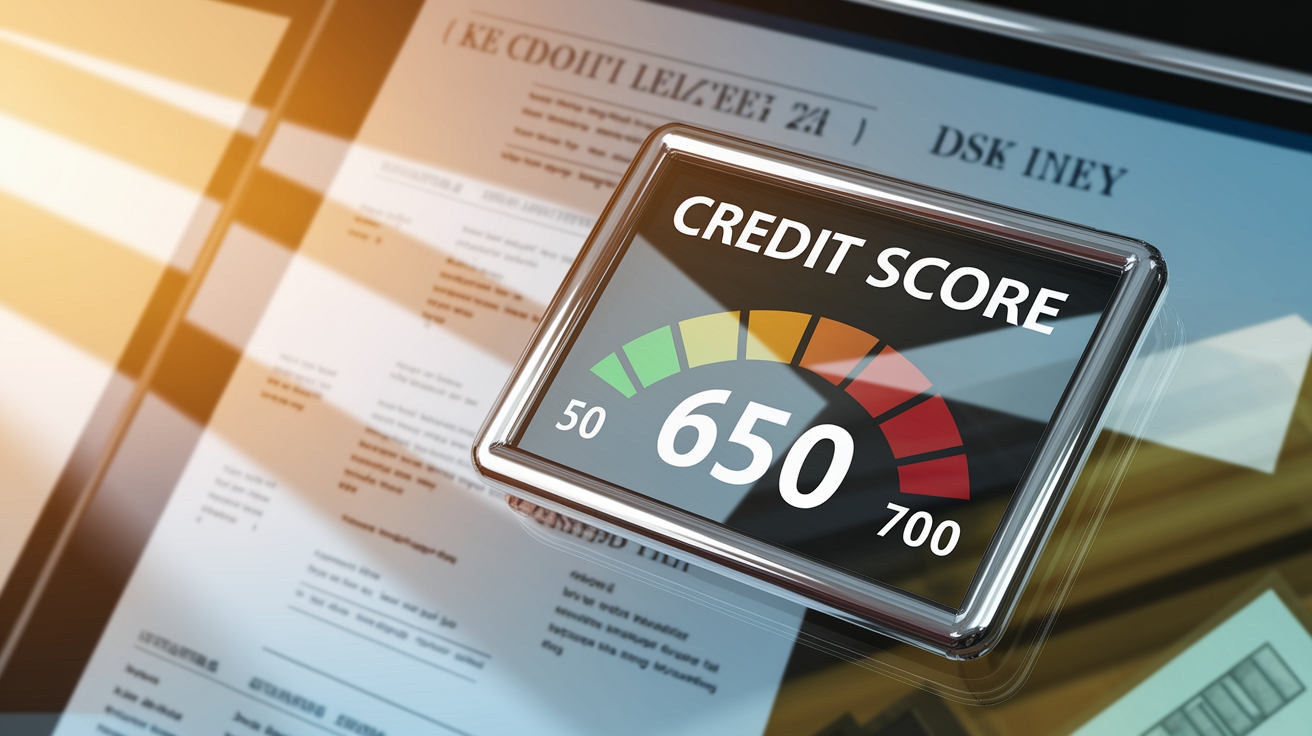
The SBA doesn’t publish a hard minimum credit score for Express loans. Lenders do. Most want 650 at minimum, many prefer 690 or higher. That number tells them whether you pay bills on time, how much debt you’re carrying, and whether you’ve had collections, bankruptcies, or late payments recently. If you’re under 650, some lenders will still look at your application. But they’ll dig deeper into your financials and might ask for stronger collateral or a co-signer.
Beyond the score, lenders check your debt service coverage ratio. That measures whether your monthly cash flow can cover loan payments plus existing debt. They also review your balance sheet, profit and loss statements, and bank account activity to confirm revenue is steady and predictable. If your cash flow spikes and dips unpredictably, or if you’re already carrying heavy debt, lenders see higher risk. They may tighten terms or decline you.
Lenders typically look at three financial health metrics:
Debt service coverage ratio (DSCR): Most want at least 1.25, meaning your cash flow covers loan payments by 25% or more.
Cash flow consistency: They review 3 to 6 months of bank statements to spot patterns, seasonal dips, and overdrafts.
Existing debt obligations: If your current debt already eats most of your revenue, new loan payments could push you into the red.
Time in Business and Revenue Expectations

Most lenders want at least two years of operating history before approving an SBA Express loan. That’s not an SBA rule. It’s a lender preference, because two years of financials give them enough data to spot trends, confirm revenue stability, and see whether your business model works. Startups and businesses under two years old rarely get approved unless the owners have deep industry experience, strong personal credit, and enough collateral to reduce lender risk.
Revenue expectations vary by lender, but many look for at least $100,000 in annual sales. And they want to see that number holding steady or growing. If your revenue dropped sharply in the most recent year, or if it swings wildly quarter to quarter, lenders see volatility and may pass. They’re not just checking whether you made money. They’re checking whether that money comes in predictably enough to cover a monthly or daily loan payment without forcing you to skip payroll or delay vendor payments.
SBA Size Standards and Eligible Business Types
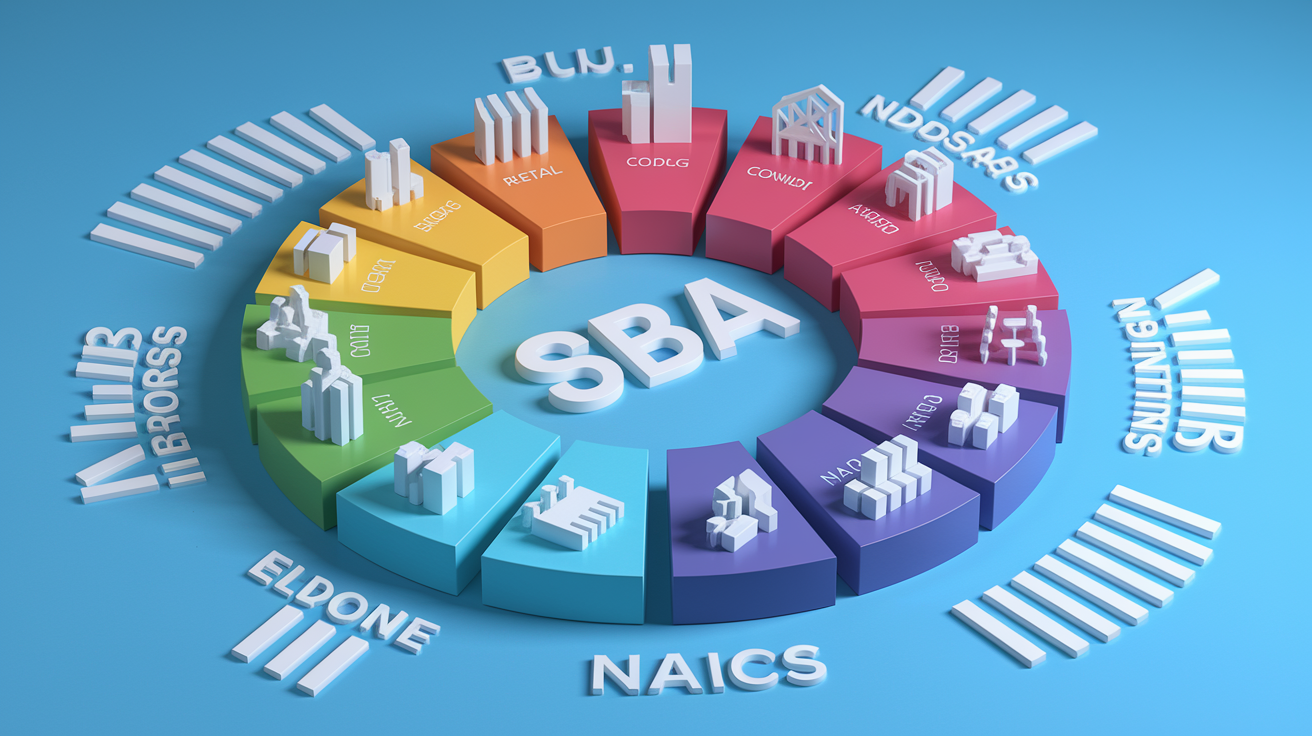
Your business has to meet the SBA’s official size standards for your industry. Those are based on either average annual revenue or number of employees. The SBA sets different thresholds for every NAICS code. A retail store has different limits than a construction company or consulting firm. You can look up your NAICS code on the SBA website and confirm your size category before you apply.
Certain industries can’t get SBA loans, including SBA Express. Common exclusions include:
Gambling and speculative businesses
Lending and investment companies
Pyramid or multi-level marketing schemes
Nonprofits and religious organizations
Passive real estate holding companies that don’t actively operate the property
If your business is structured as a nonprofit, operates mainly to invest other people’s money, or makes most of its revenue from activities the SBA considers speculative or socially harmful, you won’t qualify. To verify your NAICS code and size category, use the SBA’s size standards tool or ask your lender during intake. If your revenue or headcount is close to the threshold, gather documentation proving you fall under the limit. Lenders will verify before moving forward.
Collateral and Personal Guarantee Rules

For SBA Express loans above $25,000, lenders will ask for collateral. The SBA doesn’t require collateral on loans of $25,000 or less. Even above that threshold, lenders follow their standard commercial loan collateral policies, not a requirement to demand full coverage of the loan amount. So if you’re borrowing $200,000, the lender might take a lien on equipment, real estate, or inventory. But they won’t necessarily demand $200,000 worth of assets. If you don’t have enough collateral to fully secure the loan, lenders may still approve it based on cash flow and credit strength. The SBA guarantee covers part of their risk.
Every owner with 20% or more equity must sign a personal guarantee. That makes the owners personally liable if the business can’t repay the loan. The lender will use SBA Form 148 or their own unconditional guarantee document. Once signed, the guarantee stays in place for the life of the loan. If the business defaults, the lender can pursue the guarantor’s personal assets, including bank accounts, real estate, and other property. Some applicants try to avoid the guarantee by restructuring ownership below 20%. But lenders and the SBA review ownership carefully and may require guarantees from anyone who exercises meaningful control over the business, even if their equity stake is technically under the threshold.
SBA Express Loan Limits and Terms

The maximum loan amount for an SBA Express loan is $500,000. That’s lower than the standard SBA 7(a) program, which goes up to $5 million. But it’s enough for most equipment purchases, working capital needs, inventory buys, or moderate business expansions. The SBA guarantees 50% of the loan, meaning the lender carries the other half of the risk. That lower guarantee percentage is one reason Express loans move faster. Lenders can make approval decisions without full SBA underwriting in many cases.
Repayment terms depend on what you’re using the money for, and they follow standard SBA 7(a) guidelines:
Real estate purchases: Up to 25 years.
Equipment, working capital, and inventory: Up to 10 years.
Revolving lines of credit under the Express program: Up to 10 years.
Express loans typically fund within 5 to 30 days, depending on the lender and how fast you turn in documentation. Standard 7(a) loans can take 60 to 90 days or longer because they involve more SBA review steps and stricter underwriting. If you need funding in under a month and your loan amount fits under the $500,000 cap, Express is usually the faster path.
Documents Required for SBA Express Loan Applications
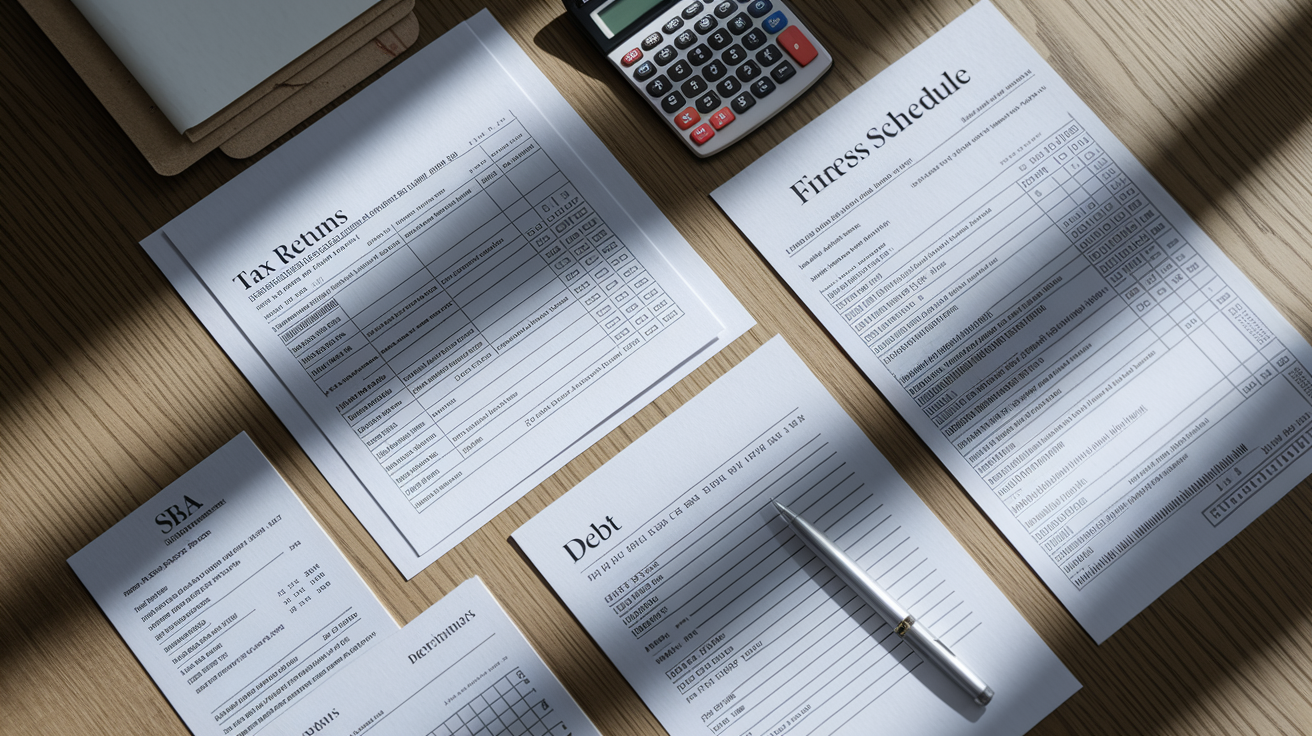
Lenders streamline the documentation for Express loans compared to standard 7(a) applications. But you still need to gather a full financial picture of your business. Most lenders ask for two to three years of business tax returns, two years of personal tax returns for every owner with 20% or more equity, and current financial statements showing your profit and loss, balance sheet, and cash flow. If your business is newer, or if recent financials look better than older ones, lenders may accept interim statements and ask for an explanation of what changed.
Typical documents required:
Business tax returns: 2 to 3 years, depending on how long you’ve been operating.
Personal tax returns: 2 years for all guarantors.
Financial statements: Current profit and loss statement, balance sheet, and cash flow projection.
Debt schedule: List of all existing business loans, credit lines, and payment obligations.
Business plan or use of funds statement: Short explanation of what the loan will pay for and how it will improve cash flow or revenue.
SBA forms: Form 1919 (Borrower Information), Form 912 (Statement of Personal History), and Form 148 (Unconditional Guarantee) or lender equivalent.
Lenders use tax returns to verify revenue, confirm you’re current with the IRS, and check for red flags like net operating losses or inconsistent income. Financial statements show whether your cash flow is strong enough to handle new debt. The debt schedule tells them whether you’re already overextended. The business plan doesn’t need to be formal, but it should clearly explain the investment and the expected return. If you’re buying equipment, explain how it increases capacity or lowers costs. If you’re refinancing debt, show the interest savings and improved cash flow. Vague or missing explanations slow down underwriting and increase the chance of denial.
Who Is Not Eligible for an SBA Express Loan?
If your business operates outside the U.S. or its territories, you’re automatically ineligible. The SBA only backs loans for businesses physically located and operating within the U.S., Puerto Rico, the U.S. Virgin Islands, Guam, and other U.S. territories. Nonprofits, religious organizations, and businesses that exist mainly to hold passive investments also don’t qualify. The SBA Express program is designed for active, for-profit operating businesses.
You also can’t qualify if you have unresolved federal debt, like unpaid taxes, defaulted student loans, or an outstanding SBA loan that went into default. Lenders check federal databases during underwriting. Any government debt will stop the application until it’s resolved. Criminal history doesn’t automatically disqualify you. But lenders review background checks and may decline applicants with recent convictions involving fraud, theft, or financial crimes.
Common disqualifying factors:
Location outside the U.S. or its territories
Nonprofit or tax exempt status
Passive businesses that don’t actively manage property or operations
Outstanding federal debt, including tax liens or defaulted government loans
Recent criminal convictions related to fraud, embezzlement, or financial misconduct
If any of these apply, resolve them before you apply. Pay down federal debt, settle tax liens, or restructure your business entity if needed. Lenders won’t waste time underwriting an application that can’t clear SBA eligibility screens. Fixing these issues upfront saves weeks of back and forth.
Final Words
Check the basics: size standards, two-plus years of steady revenue, a credit score lenders expect, and the right paperwork. We ran through credit rules, time-in-business, eligible industries, collateral and guarantee rules, loan limits, required documents, and common disqualifiers.
If your cash flow and docs line up, you’ll know what to fix and what to bring to a lender. Compare true cost and repayment rhythm before you apply.
If you meet the sba express loan requirements, you can move forward with confidence and a clear next step.
FAQ
Q: What are the requirements for an SBA Express loan?
A: The requirements for an SBA Express loan are meeting SBA size standards, operating for profit in the U.S., usually 2+ years in business, lender credit around 650–690+, a personal guarantee, and collateral for loans over $25,000 (up to $500,000).
Q: What is the easiest SBA loan to qualify for, and are SBA Express loans hard to get?
A: The easiest SBA loan to qualify for is often the SBA microloan via intermediary lenders. SBA Express is faster but not necessarily easier. Lenders commonly want 2+ years in business and 650–690+ credit.
Q: What disqualifies you from an SBA loan?
A: Factors that disqualify you from an SBA loan include being located outside the U.S., nonprofit or passive ownership, unresolved federal debt or serious criminal history, failing SBA size standards, or operating in ineligible industries.