

Think an SBA 7(a) loan is a business credit card you can spend however you want? Think again.
The 7(a) program can fund payroll, inventory, equipment, real estate, and even business buyouts, but it also bars personal spending, passive investments, and some types of refinancing that would expose the SBA to loss.
Read on to see exactly what’s allowed, what’s off-limits, why the rules matter, and what lenders look for so you can get funds without risking the guarantee or sinking your business.
What SBA 7(a) Loan Funds Can and Cannot Be Used For

The SBA 7(a) loan program gives you flexibility, but it’s not a free-for-all. The SBA guarantees these loans without lending directly, so you’re working through a participating lender who follows SBA rules plus their own credit standards. Knowing what’s allowed and what’s off-limits keeps you compliant, protects your guarantee, and helps you avoid consequences that can sink your business.
Maximum loan size is $5,000,000. The SBA guarantees 85% of loans up to $150,000 and 75% above that. So on a $5 million loan, the guarantee tops out at $3,750,000. Terms go up to 10 years for working capital and equipment, and up to 25 years for real estate purchases or construction. Most lenders want an equity injection of 10% to 20% for acquisitions or property deals, depending on risk and their internal policies.
Permitted Uses
SBA 7(a) proceeds can fund a wide range of business operations and growth moves. Working capital is a core use. Payroll, utilities, vendor payments, inventory purchases, short-term operating expenses. If you need to bridge cash flow during a slow season or stock up inventory to meet a new contract, you’re good.
Buying machinery, equipment, furniture, and fixtures for business operations is permitted, as long as the equipment has a useful life of at least 10 years. That covers manufacturing equipment, commercial vehicles used in the business, technology systems, office furniture. You can also purchase land and buildings for business use, construct or renovate owner-occupied commercial property, and fund leasehold improvements or fit-outs.
Business acquisitions are allowed, buying another business, as long as the transaction meets SBA underwriting rules and seller debt considerations are documented. Refinancing existing business debt is permitted if it improves cash flow, doesn’t bail out a lender, and meets SBA underwriting standards. Professional fees directly tied to the acquisition or project, like title insurance, surveys, appraisals, are also covered.
Here’s a quick breakdown of common permitted uses:
Working capital: Payroll, utilities, inventory, short-term operating expenses, seasonal cash flow bridging.
Equipment and machinery: Purchases with a useful life of at least 10 years, including technology systems and commercial vehicles.
Real estate: Land, buildings, construction, renovation, leasehold improvements for owner-occupied business space.
Business acquisition: Buying another business, subject to lender and SBA underwriting.
Debt refinancing: Refinancing existing business debt to improve cash flow, with documented business benefit.
Professional fees: Title insurance, surveys, appraisals, and other closing costs tied to the transaction.
Prohibited Uses
The SBA has explicit prohibitions designed to prevent misuse, speculation, and owner enrichment at the expense of the business. The primary rule? SBA-guaranteed loans can’t fund personal expenses. Vacations, personal vehicles, jewelry, personal homes. None of that. The principle is clear: funds must not “unjustly enrich owners.”
Payments, distributions, or loans to an associate of the applicant are generally prohibited, with very limited exceptions. You can’t use 7(a) proceeds to invest in securities, commodities, futures, or derivative instruments. Purchasing real estate primarily for rental or passive investment isn’t allowed unless the property is owner-occupied and part of the business operation. You can’t use proceeds to make loans to others or fund third-party loan vehicles.
Using proceeds to pay dividends, distributions, or owner draws that aren’t ordinary business compensation is prohibited. Repaying delinquent federal taxes isn’t allowed unless you have an approved IRS payment arrangement and you’re current on those payments. Financing relocation of the applicant out of a community is restricted, with narrow exceptions. Refinancing debt that would expose the SBA to a loss is also off-limits.
Here are the key prohibited uses:
Personal expenses: Vacations, personal vehicles, jewelry, personal homes, or any non-business purchases.
Passive investments: Real estate held primarily for rental or investment, securities, commodities, futures, or cryptocurrencies.
Payments to associates: Distributions, loans, or payments to owners or associates except under specific SBA-approved structures.
Delinquent tax payments: Repaying delinquent federal taxes unless an approved IRS payment plan is in place and current.
Speculation and gambling: Pyramid schemes, speculative ventures, or any illegal activities.
Refinancing federal debt: Repayment or consolidation of defaulted federal loans or debt that would expose the SBA to a loss.
Detailed Examples of Permitted Uses

Working capital is the most common reason business owners pursue a 7(a) loan. You can use proceeds to cover payroll during a slow season so staff stay on, pay utilities and rent to keep the doors open, or purchase inventory in bulk to meet a new contract. Short-term operating expenses like supplies, marketing costs, or vendor invoices are all permitted. If your cash flow is lumpy and you need a reserve to smooth out operations, that’s working capital.
Equipment and machinery purchases are allowed as long as the equipment has a useful life of at least 10 years. That includes manufacturing equipment, commercial HVAC systems, delivery trucks, forklifts, and technology infrastructure like servers or point-of-sale systems. Furniture and fixtures for business operations, shelving, desks, lighting, display cases, are also covered.
Real estate transactions are a major permitted category. You can purchase land and buildings for business use, fund construction of owner-occupied commercial property, or renovate an existing building you own. Leasehold improvements are permitted, fitting out a leased retail or office space with new lighting, flooring, partitions, or HVAC upgrades. If you’re buying a business, 7(a) proceeds can fund the acquisition price, including inventory, goodwill, and fixed assets.
Here are five practical examples:
Payroll bridge during slow season: A seasonal landscaping business uses $75,000 to cover payroll, utilities, and insurance from November through February so core staff remain employed year-round.
Bulk inventory purchase: A wholesale distributor uses $150,000 to buy discounted inventory in bulk from a vendor offering a one-time price break, increasing margin on a high-volume contract.
Equipment upgrade: A machine shop uses $200,000 to purchase two new CNC machines with a 15-year useful life, replacing older equipment and increasing production capacity.
Leasehold fit-out: A retail shop uses $50,000 to install new lighting, shelving, flooring, and a point-of-sale system in a newly leased 1,500 sq ft space.
Refinance high-interest debt: A contractor uses $100,000 to refinance short-term credit card debt at 24% APR into a 7(a) loan at 10% APR, reducing monthly payments by $1,800 and freeing cash flow.
Detailed Explanations of Prohibited Uses

The SBA prohibits uses that don’t directly support the active operation of the business or that expose the guarantee to unnecessary risk. Passive investments, buying rental property, purchasing securities, or trading commodities, aren’t allowed because those activities don’t create jobs or support day-to-day business operations. If the property isn’t owner-occupied and isn’t essential to the business’s primary function, it’s considered passive and therefore prohibited.
Payments to owners or associates are restricted because the SBA doesn’t want loan proceeds used to enrich insiders at the expense of the business’s viability. You can’t use 7(a) funds to pay dividends, make distributions, or fund owner draws that aren’t ordinary compensation. If you’re buying out a partner, the transaction must be structured carefully and documented to meet SBA rules. Cash-out to owners for personal use is a red flag. Repaying delinquent federal taxes is prohibited unless you have an approved IRS installment agreement in place and you’re current on those payments. The SBA won’t finance tax liabilities that should have been paid from operating revenue.
Here are five clarifications:
Rental-only properties: Buying a residential duplex or commercial property leased to unrelated third parties is prohibited unless the property is owner-occupied and part of the business operation.
Owner cash-out at closing: Using loan proceeds to distribute cash to owners at closing, outside of a structured buyout or ordinary compensation, isn’t allowed.
Cryptocurrency and speculative instruments: Purchasing cryptocurrencies, derivatives, futures contracts, or other speculative financial instruments is prohibited.
Financing illegal activities: Any business ineligible under SBA rules (see 13 CFR Part 120) or any illegal activity can’t be funded with 7(a) proceeds.
Refinancing to cure federal defaults: If you’re in default on a federal student loan or another federal obligation, you can’t use 7(a) proceeds to repay or consolidate that debt.
Regulatory Basis for SBA 7(a) Use-of-Proceeds Rules
The SBA’s use-of-proceeds rules are grounded in the agency’s statutory mandate to support small businesses that create jobs and strengthen local economies. The regulations are codified in 13 CFR Part 120, which defines eligible businesses, loan purposes, and prohibited uses. The SBA’s Standard Operating Procedure (SOP) 50 10 series provides detailed underwriting guidance that lenders must follow when evaluating loan applications and monitoring disbursements. These SOPs are updated periodically to reflect policy changes, program adjustments, and new underwriting standards.
Lenders interpret and apply these rules within their own credit policies, so you may encounter stricter requirements from individual lenders even when the SBA permits a particular use. For example, the SBA allows refinancing of existing business debt under certain conditions, but a lender may impose additional restrictions on cash-out or require aging evidence of the previous debt. The SBA provides the framework, but lenders add their own underwriting overlays based on risk tolerance and portfolio management. Always confirm allowable uses with your chosen lender and review lender-specific policies before finalizing your loan application.
Consequences of Misusing SBA 7(a) Loan Funds
Misusing SBA 7(a) proceeds isn’t a minor oversight. It can trigger serious financial and legal consequences that extend far beyond losing access to the loan.
If a lender discovers that you’ve used proceeds for a prohibited purpose, they can demand immediate repayment, call the loan in default, foreclose on collateral, and enforce personal guarantees. The SBA may deny the lender’s guarantee claim if proceeds were used in violation of program rules, which means the lender will pursue collection directly against you and any guarantors. The SBA can also debar you from future federal assistance, making it impossible to qualify for SBA loans, grants, or contracts going forward.
Beyond administrative consequences, misuse that involves fraud, falsified documents, intentional misrepresentation, or concealment of the true use, can lead to civil penalties and criminal charges. Federal fraud investigations carry steep fines and potential prison time. Even if the misuse isn’t intentional, the reputational damage and higher future borrowing costs can cripple your ability to operate and grow.
Here are the primary consequences:
Loan default and immediate repayment: Lender can call the loan, accelerate the balance, and pursue foreclosure on business assets and real estate.
Loss of SBA guarantee: SBA may refuse to honor the guarantee, leaving the lender to pursue full collection against the borrower and guarantors.
Debarment from federal programs: Loss of eligibility for future SBA loans, grants, and federal contracts.
Civil and criminal liability: Fraud involving falsified loan documents or intentional misrepresentation can result in civil penalties, fines, and criminal prosecution.
How Lenders Verify Proper Use of SBA 7(a) Funds
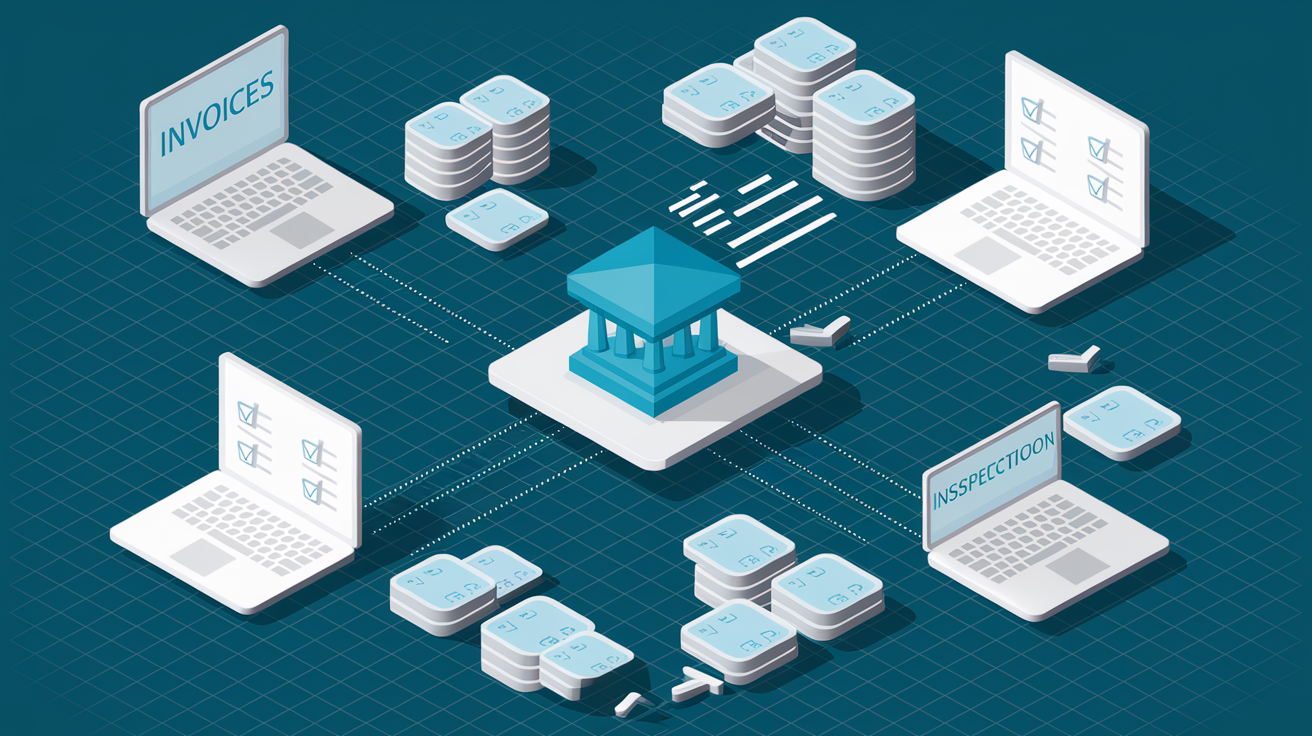
Lenders are required to monitor and document that 7(a) proceeds are used according to SBA guidelines and the terms outlined in the loan application. For large disbursements, construction, major equipment purchases, or business acquisitions, lenders often disburse funds in tranches, requiring invoices, lien releases, inspection reports, or other evidence before releasing the next draw. You won’t get a lump sum and free rein. The lender controls disbursements to ensure compliance.
Documentation is everything. Keep invoices, contracts, bank statements, and proof of payments for every dollar spent. If you’re refinancing debt, provide evidence of the original loan, payment history, and the business benefit of the refinance (lower interest rate, improved cash flow, or consolidation that enables viability). If you need to reallocate proceeds, say you planned to buy one piece of equipment but found a better option, obtain lender approval in writing before making the change. Lenders can request periodic reporting on use of funds, and you should be prepared to provide a detailed accounting at any time during the loan term.
Final Words
In the action, this post showed what SBA 7(a) money can cover—payroll, inventory, equipment, real estate, and acquisitions—and the common no-go items like refinancing certain federal debt or passive investments.
We gave practical examples, explained the SBA rulebook (SOP 50 10), outlined penalties for misuse, and described how lenders verify spending so you don’t get surprised later.
Keep the sba 7a loan use of proceeds restrictions in mind and match funds to a clear, time-sensitive need. That way you protect cash flow and keep options open.
FAQ
Q: What can SBA 7(a) loan funds be used for?
A: SBA 7(a) loan funds can be used for working capital, buying or improving real estate, purchasing equipment, and acquiring a business, all subject to SBA eligibility and lender approval.
Q: What are common prohibited uses of SBA 7(a) loan proceeds?
A: Common prohibited uses of SBA 7(a) loan proceeds include passive investments, repaying most federal debts, undisclosed payments to associates, and other uses the SBA specifically disallows.
Q: Can SBA 7(a) loans be used to buy real estate?
A: SBA 7(a) loans can be used to buy or improve owner-occupied commercial real estate, but the property, appraisal, and use must meet SBA and lender requirements.
Q: Can SBA 7(a) loans be used to purchase equipment or vehicles?
A: SBA 7(a) loans can be used to purchase machinery, vehicles, and essential technology, with equipment often serving as allowable collateral when it’s integral to operations.
Q: Can SBA 7(a) loans pay payroll and short-term operating expenses?
A: SBA 7(a) loans can cover working capital needs like payroll, inventory, and short-term operating costs to help bridge cash gaps or seasonal slowdowns.
Q: Can SBA 7(a) loans be used to refinance existing federal debt?
A: SBA 7(a) loans generally cannot refinance federal debt; refinancing federal obligations is typically prohibited unless there’s a specific SBA-approved exception.
Q: Are payments to owners or affiliates allowed with SBA 7(a) loans?
A: Payments to owners or affiliates are generally restricted; owner buyouts or affiliate payments may be allowed only under strict SBA rules and documented exceptions approved by the lender.
Q: What happens if I misuse SBA 7(a) loan funds?
A: Misusing SBA 7(a) loan funds can lead to default, loss of the SBA guarantee, immediate repayment demands, and possible civil or criminal liability depending on the misuse.
Q: How do lenders verify that SBA 7(a) loan funds were used properly?
A: Lenders verify SBA 7(a) fund use by documenting disbursements, reviewing invoices and receipts, monitoring account activity, and keeping evidence that proceeds matched the approved purpose.
Q: What documentation will lenders ask for to prove proper use of SBA 7(a) funds?
A: Lenders typically ask for invoices, contracts, paid receipts, bank statements, purchase agreements, and sometimes appraisals to confirm SBA 7(a) funds were used as approved.