

Would you rather put up your building to cut rates, or keep every asset and pay more for speed?
Secured lines give bigger limits and lower APRs (yearly cost of borrowing) if you can pledge equipment, real estate, or inventory.
Unsecured lines get you $10,000–$250,000 fast and keep assets out of reach, but they cost more and usually need stronger credit.
This piece lays out the tradeoffs, speed versus cost and collateral versus credit, so you can pick the right fit for your cash needs and timeline.
Quick Verdict on Secured vs Unsecured Business Lines of Credit
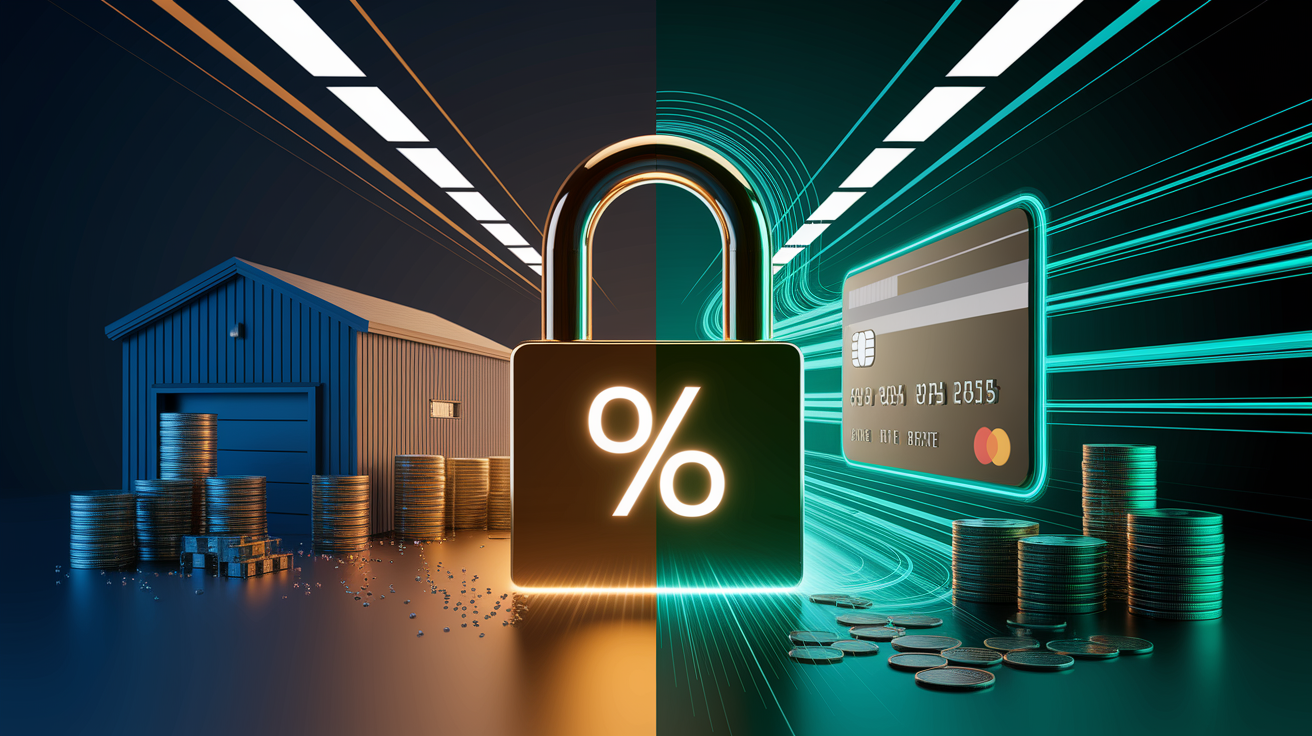
Secured business lines work best for established companies that own assets, need $250,000 or more, and want low interest rates. Even if it means putting collateral at risk. Unsecured lines fit businesses that need fast access to $10,000–$250,000, have solid credit and revenue, and won’t pledge equipment, real estate, or receivables.
Secured credit locks in APRs between 5% and 15%, often cutting borrowing costs in half. Unsecured credit gets you funded in days and keeps your assets protected.
Secured business lines make sense when:
- You need more than $250,000 and your revenue or credit score won’t support that limit without collateral.
- You own equipment, commercial real estate, or inventory you can pledge and you’re okay with the risk.
- Lower interest matters more to your cash flow than speed or protecting assets.
- Your business can handle a four to eight week underwriting process with appraisals and legal filings.
Unsecured business lines make sense when:
- You need $10,000 to $250,000 quickly. Often within one to ten business days.
- Your personal or business credit score sits above 650 (better if 680+) and annual revenue exceeds $100,000.
- You want to keep business assets free for operations or future financing, and you’ll accept higher interest for that freedom.
- You value simplicity. No appraisals, no UCC filings, minimal collateral paperwork.
If you’re looking at $100,000 to $200,000, both might work. The choice comes down to speed versus cost. Businesses that need predictable monthly expenses often pick unsecured for smaller, recurring draws and save secured lines for major capital projects or seasonal inventory builds where the lower APR pays off.
Definitions and Mechanics of Business Credit Lines
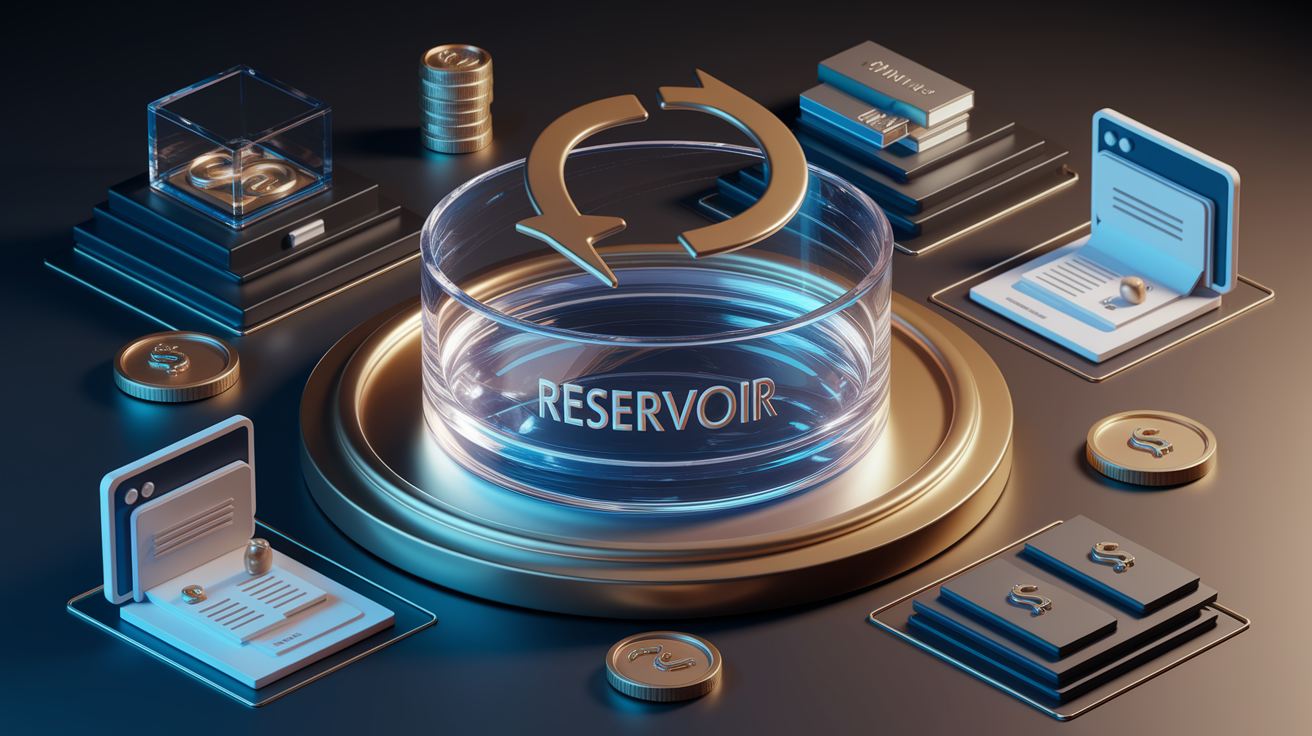
A business line of credit works like a flexible reserve. You draw what you need, pay interest only on what you’ve drawn, and refill the line as you repay. Unlike a term loan that gives you a lump sum with fixed monthly payments, a credit line lets you borrow, repay, and borrow again up to your approved limit without reapplying.
Secured business lines require collateral. Real estate, equipment, inventory, or accounts receivable. If you default, the lender can seize and sell those assets. Unsecured lines skip the collateral and rely on your credit score, revenue history, and cash flow instead.
Core components every business line of credit includes:
- Draw period: The window you can access funds, usually one to three years. Some lines stay open indefinitely if you keep current.
- Interest on drawn balances only: Draw $20,000 from a $100,000 line, you pay interest on $20,000.
- Minimum monthly payment: Most lenders require at least interest-only payments each month. Some want a percentage of principal too.
- Revolving reuse: Pay down $10,000, you get $10,000 of borrowing capacity back.
- Variable or fixed rate structure: Secured lines often offer both. Unsecured lines lean heavily toward variable rates tied to prime.
| Credit Type | How It Works |
|---|---|
| Secured Business Line of Credit | Revolving credit backed by pledged business or personal assets. Lender holds lien and can seize collateral on default. Typically offers lower rates and higher limits. |
| Unsecured Business Line of Credit | Revolving credit with no collateral requirement. Approval based on creditworthiness, revenue, and cash flow. Higher rates and lower limits but faster access and no asset risk. |
Collateral Requirements in Secured vs Unsecured Business Credit
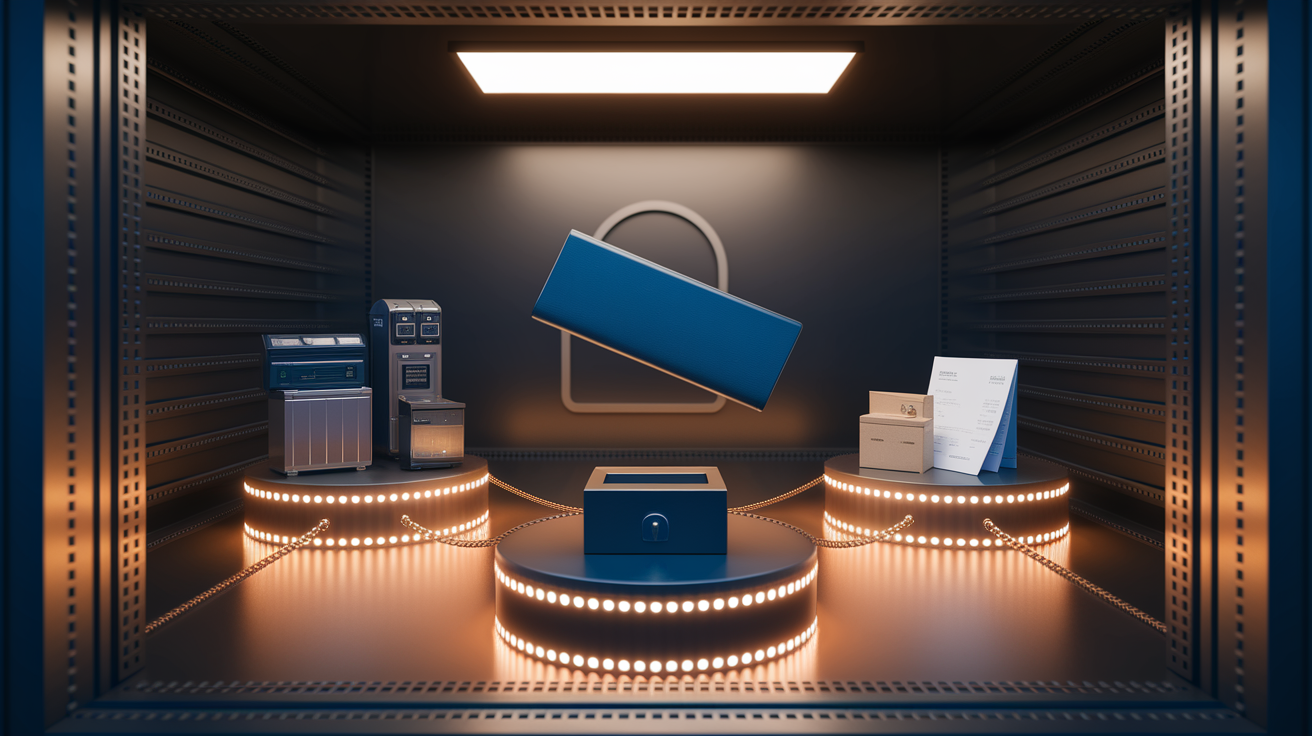
Secured lines demand you put up assets the lender can claim if you stop paying. The type of collateral determines how much credit you get and how fast approval happens. Unsecured lines skip collateral but often include personal guarantees, which means the lender can come after your personal finances if the business defaults. Just not your business equipment or building.
Lenders use advance rates to calculate how much they’ll lend against each asset type. If equipment appraises at $100,000 and the lender offers a 70% advance rate, you access up to $70,000 of credit against that equipment.
Common collateral types and typical advance rates:
- Accounts receivable: 70% to 90% of eligible invoices. Lenders exclude invoices older than 90 days or from customers with poor credit.
- Inventory: 30% to 80%, most settle around 50% to 70%. Higher rates for fast-moving goods like groceries or consumer electronics. Lower for seasonal or specialized inventory.
- Equipment: 60% to 90% of appraised value depending on age, condition, and resale marketability. Newer equipment in high demand gets the top end.
- Commercial real estate: Loan-to-value ratios sit at 60% to 80%. Lenders order third-party appraisals and title searches, adding weeks to approval.
- Cash deposits or securities: 90% to 100% because the asset is liquid and the lender can freeze the account instantly.
- Personal real estate: Some lenders accept residential property to secure a business line. Terms mirror traditional HELOCs with LTVs around 80% after subtracting existing mortgage balances.
Unsecured lines remove the appraisal and lien-filing steps, which speeds up funding but shifts all risk onto your credit profile and revenue track record. The lack of collateral doesn’t eliminate personal liability. Most unsecured lenders still require the business owner to sign a personal guarantee, so your personal credit score and assets remain exposed even without a formal lien.
The biggest downside of secured credit is foreclosure risk. If your restaurant pledges its kitchen equipment and you miss payments, the lender can seize ovens, freezers, and prep stations. Shutting down operations while you’re already in financial distress. Never pledge mission-critical assets unless your repayment plan is rock solid and tied to predictable revenue.
Interest Rates, APR Ranges, and Total Cost Differences
Secured business lines typically charge APRs between 5% and 15%, with the lowest rates for real-estate-backed lines and borrowers with excellent credit. Equipment or inventory-backed lines usually land in the 6% to 15% range. Unsecured lines cost more. 8% to 30% APR. Lenders price in the higher risk of having no collateral to claim if you default.
Inside the unsecured category, traditional banks cluster around 8% to 20% for creditworthy small businesses. Alternative lenders and fintech platforms push rates toward 20% to 30% for startups or businesses rebuilding credit. The spread between secured and unsecured rates can save you two to ten percentage points. That’s thousands of dollars per year on a $200,000 line.
Rate structure matters as much as the number. Most secured lines offer fixed-rate and variable-rate options. Fixed rates lock your cost for the term, variable rates move with prime or another index. Unsecured lines lean toward variable rates, so your cost can climb if the Federal Reserve raises rates. Always ask what index the rate is tied to and how often it can adjust.
Beyond interest, every line of credit carries fees that inflate your true cost. Origination fees typically run 1% to 3% of your approved limit. So a $100,000 line might cost $1,000 to $3,000 just to open. Unused-line fees (also called maintenance fees) charge up to 1% per month on the portion of your limit you’re not using, which punishes you for keeping the line idle. Draw fees, $0 to $50 or more per transaction, add up if you make frequent small withdrawals. Late-payment penalties and annual review fees can push total cost higher, especially on secured products where lenders periodically revalue collateral and adjust your terms.
| Feature | Secured LOC | Unsecured LOC |
|---|---|---|
| Typical APR range | 5%–15% | 8%–30% |
| Origination fee | 1%–3% of limit | 1%–3% of limit |
| Unused-line fee | 0%–1% monthly on unused portion | 0%–1% monthly on unused portion |
| Draw/transaction fee | $0–$50+ per draw | $0–$50+ per draw |
Credit Score and Financial Eligibility Comparison
Unsecured business lines demand strong credit because lenders have no collateral safety net. Most banks require a personal or business credit score of at least 650. The best rates and highest limits go to applicants with scores above 680. If your score sits below 650, you’ll either face rejection or get pushed toward alternative lenders charging APRs in the 20% to 30% range.
Secured lines soften credit requirements by leaning on collateral value. Many lenders approve borrowers with credit scores around 600 if the pledged assets are strong and the business can document consistent revenue. That makes secured credit a lifeline for newer companies or owners rebuilding after a past default. Collateral buys you access that creditworthiness alone can’t unlock.
Documentation lenders typically request during underwriting:
- Personal and business credit reports: Lenders pull your score and review payment history, utilization rates, public records, and inquiries.
- Tax returns: Usually the past two years of business returns (1120, 1120-S, or 1065) and sometimes personal returns (1040) to verify income and stability.
- Bank statements: Three to six months of business account statements to assess cash flow, average balances, and overdraft frequency.
- Profit-and-loss statements and balance sheets: Recent financials (often within 90 days) to confirm profitability, liabilities, and working capital.
- Asset documentation for secured lines: Titles, invoices, appraisals, UCC search results, insurance certificates, and property deeds depending on collateral type.
Revenue thresholds vary by lender and product. Traditional bank unsecured lines often require at least $100,000 in annual revenue. Online lenders and alternative platforms may accept $50,000 or less. Secured lines care more about asset value than revenue. So a construction company with $80,000 in annual sales but $300,000 in owned equipment might qualify for a secured line when unsecured options would decline the application.
Time in business matters too. Unsecured lines commonly require one to two years of operating history because lenders want proof of sustainable revenue. Secured lines can accommodate newer businesses if collateral is sufficient, though expect stricter terms and closer monitoring during the first year.
Approval Speed and Underwriting Difficulty for Both Credit Types

Unsecured business lines move faster because there’s no collateral to appraise, no lien to file, and no title search to complete. Online lenders and fintech platforms often deliver decisions in one to three business days and fund within a week. Traditional banks take longer, one to four weeks, because they perform deeper financial analysis and require more committee approvals. But you still skip the weeks of appraisal delays that secured lines demand.
Secured lines take two to six weeks on average. Real-estate-secured lines stretch to four to eight weeks or more. The bottleneck is collateral verification. Lenders order third-party appraisals, review equipment titles, audit receivables aging reports, and file UCC-1 financing statements to perfect their lien. If you’re pledging commercial property, add time for environmental assessments, title insurance, and legal recording.
Factors that slow or speed up approval:
- Incomplete documentation: Missing tax returns, outdated financials, or unclear asset titles can stall underwriting for days or weeks.
- Complex collateral: Equipment scattered across multiple locations or inventory with unclear ownership requires extra due diligence.
- Third-party appraisals: Scheduling appraisers and waiting for reports adds one to three weeks. Backlog during busy seasons stretches it further.
- Cross-collateralization review: If you already have loans secured by the same assets, lenders must negotiate subordination agreements with existing lienholders, which can take weeks.
Unsecured lines eliminate those delays but bring stricter credit-score cutoffs and tighter cash-flow scrutiny. If your application doesn’t meet the lender’s automated underwriting thresholds, it gets kicked to manual review, which adds days. Strong credit and clean financials let you use speed to your advantage. Borderline credit forces you into the secured queue where collateral can offset underwriting concerns at the cost of time.
Borrowing Limits and Line Size Differences

Unsecured business lines commonly range from $10,000 to $250,000. Most small-business owners access limits between $25,000 and $100,000. Banks and credit unions cap unsecured lines around $100,000 to $250,000 because higher amounts without collateral expose them to too much risk. Alternative lenders occasionally push limits higher for businesses with exceptional revenue and credit, but it’s rare to see an unsecured line exceed $300,000.
Secured lines start around $50,000 and regularly climb into seven figures. Equipment and inventory-backed lines often reach $250,000 to $500,000. Commercial-real-estate-backed lines can exceed $1 million to $5 million depending on property value and equity. The credit limit mirrors the collateral’s appraised value minus the lender’s safety margin. So a building worth $2 million with a 70% LTV yields a $1.4 million line, assuming no existing liens.
Your borrowing capacity also depends on how often you’ll draw and repay. Lenders prefer borrowers who use the line occasionally and pay it down quickly. That behavior signals strong cash flow and low default risk. If you plan to keep the line maxed out for months at a time, expect lenders to tighten your limit or raise your rate.
Drivers of credit limit differences:
- Collateral type and value: Higher-value, liquid assets unlock bigger limits. Specialized or slow-moving collateral constrains them.
- Revenue and profitability: Lenders set limits they believe your cash flow can service. A $50,000 monthly revenue business won’t qualify for a $1 million line even with strong collateral.
- Existing debt load: High debt-to-income or debt-to-equity ratios force lenders to reduce your limit to keep total borrowing manageable.
| LOC Type | Typical Limit | Key Driver |
|---|---|---|
| Unsecured | $10,000–$250,000 | Credit score, revenue, cash flow history |
| Secured (equipment/inventory) | $50,000–$500,000 | Appraised asset value and advance rate |
| Secured (commercial real estate) | $250,000–$5,000,000+ | Property equity and loan-to-value ratio |
Risk Exposure, Personal Guarantees, and Default Consequences

Secured credit puts your business assets directly in the lender’s sights. Default triggers their right to seize and liquidate collateral. Equipment gets repossessed, inventory sold at auction, receivables swept, and real estate foreclosed. The lender files a UCC-1 financing statement that creates a public lien, and that lien gives them priority over unsecured creditors if your business fails.
Cross-collateralization clauses make the risk worse. If you have multiple loans with the same lender and one facility is secured, the lender may tie all your debt together. Defaulting on any loan allows them to claim assets pledged under another. Always ask whether your line of credit includes cross-default or cross-collateralization language, and read the fine print before signing.
Unsecured lines don’t carry a formal lien, but default still damages you. The lender reports late payments to business and personal credit bureaus, tanking your score and blocking future financing. Most unsecured lines include personal guarantees, which means the lender can sue you personally, garnish wages, freeze bank accounts, and place liens on your home or other personal property even though the original loan was unsecured.
Typical lender remedies and consequences of default:
- Collateral seizure: Secured lenders repossess equipment, foreclose on real estate, or take control of receivables and inventory. Liquidation often recovers less than appraised value, leaving you with a deficiency balance.
- Acceleration of full balance: Default clauses let lenders demand immediate repayment of the entire outstanding balance, not just missed payments.
- Legal judgments and collections: Lenders file lawsuits, obtain judgments, and hand accounts to collection agencies. Judgment liens attach to personal and business property.
- Credit score destruction: Defaults, charge-offs, and collections remain on credit reports for seven years, blocking future loans, leases, and vendor credit.
- Loss of future credit access: Once you default with a lender, that institution typically blacklists you. Cross-institution data sharing can limit options across the industry.
Personal guarantees blur the line between secured and unsecured credit. Even without collateral, signing a PG makes you personally liable for the debt. Your house, car, and savings are at risk if the business can’t pay. Many business owners assume “unsecured” means “no personal risk,” but that’s wrong. Unsecured means no collateral lien, not no personal exposure.
The safest approach is to avoid pledging mission-critical assets. If losing your delivery trucks, production equipment, or office building would shut down operations, don’t use those assets as collateral unless your repayment plan is airtight and your revenue is predictable. Reserve secured credit for assets you can afford to lose or for situations where the lower rate and higher limit justify the foreclosure risk.
Best-Use Scenarios for Secured and Unsecured Business Lines of Credit

Unsecured lines work best for short-term working capital needs where speed and simplicity matter more than cost. Use them to smooth payroll timing when receivables lag, cover a surprise tax bill, bridge seasonal cash-flow dips, or fund small marketing campaigns. The typical use case involves borrowing $10,000 to $100,000 for a few weeks or months, repaying as revenue arrives, and keeping the line open for the next gap.
Secured lines work well when you need larger amounts for longer periods and you’re willing to pledge assets to cut your interest cost. Use them for inventory builds ahead of peak season, equipment purchases or upgrades, tenant improvements, debt consolidation at lower rates, or expansion projects that require $250,000 or more. The longer you carry a balance, the more the lower APR saves you, making secured credit the better fit for six-month to two-year financing needs.
Common scenarios and recommended credit type:
- Seasonal retailer stocking inventory for holiday rush: Secured inventory line with a 50% to 70% advance rate. Borrow $100,000 against $150,000 of incoming stock, repay as sales convert inventory to cash.
- Professional services firm smoothing payroll between client payments: Unsecured line of $25,000 to $50,000. Draw when payroll hits, repay when invoices clear within 30 to 60 days.
- Light-manufacturing shop buying new CNC machine for $300,000: Secured equipment line using the new machine as collateral. 70% to 80% advance rate provides $210,000 to $240,000, with lower APR offsetting the lien.
- Restaurant covering HVAC replacement during slow season: Unsecured line of $15,000 to $30,000 for fast access. Repay over three to six months as sales recover, avoiding equipment liens that could shut down the kitchen.
- Construction contractor managing lumpy cash flow from milestone billing: Secured receivables line with 70% to 80% advance rate. Draw against outstanding invoices to cover payroll and material costs before client payments arrive.
- E-commerce business funding a product launch and ad spend: Unsecured line of $50,000 to $100,000 for speed. Rapid approval lets you move on market opportunity without waiting for collateral appraisals.
Unsecured lines also suit businesses that lease most of their equipment or operate out of rented space. They simply don’t own enough assets to pledge. Secured lines suit asset-heavy industries like manufacturing, construction, transportation, and agriculture, where owned equipment, real estate, and inventory provide natural collateral.
Decision Framework for Choosing Secured vs Unsecured Credit

Choose unsecured credit when speed, simplicity, and asset protection outweigh the cost premium. If your business generates strong revenue, maintains a credit score above 650, and needs $10,000 to $250,000 within days, unsecured delivers. You’ll pay higher interest, often 8% to 20% APR or more. But you avoid appraisals, lien filings, and the risk of losing equipment or property if cash flow stumbles.
Choose secured credit when lowering your cost of capital or maxing out your borrowing limit is the priority. If you need more than $250,000, own valuable assets you’re comfortable pledging, and can tolerate a four to eight week approval process, secured lines cut your APR by two to ten percentage points. That savings compounds over time, especially if you carry balances for months or years. Just make sure the assets you’re pledging aren’t mission-critical. Losing your delivery fleet or production equipment can shut down operations faster than missed payments hurt your credit.
Hybrid approaches work well when your funding needs fall into tiers. Start with a small unsecured line for immediate, recurring expenses like payroll smoothing or vendor payments. Add a secured line later when you’re ready to finance a larger project. Equipment purchase, real estate acquisition, or major inventory build. And the lower rate justifies the collateral risk. Phased financing lets you match each funding tool to its best use case instead of forcing one product to cover everything.
Five-step evaluation framework for choosing the right credit type:
- Map your cash-flow cycle: Identify when revenue arrives and when expenses hit. If gaps are short (under 90 days) and predictable, unsecured works. If you’re financing multi-month projects or seasonal inventory, secured may be better.
- Inventory available assets: List owned equipment, real estate, receivables, and inventory with realistic appraisal values. Subtract any existing liens. If you have $200,000+ in unencumbered assets, secured credit becomes viable.
- Calculate interest sensitivity: Model the annual cost difference between a 10% secured line and an 18% unsecured line on your expected average balance. If the savings exceed $5,000 per year, secured credit often justifies the extra approval time and collateral risk.
- Assess borrowing frequency: If you draw and repay weekly or monthly, unsecured speed and simplicity win. If you’ll carry a balance for six months or longer, the secured rate advantage compounds.
- Evaluate risk tolerance: Ask whether losing pledged assets would shut down operations or merely inconvenience you. Never pledge mission-critical equipment or your primary business location unless repayment is nearly guaranteed by contracted revenue.
Lenders evaluate your application by reviewing bank statements (usually three to six months), profit-and-loss statements, balance sheets, tax returns (past two years), and credit reports. For secured lines, add asset documentation. Titles, appraisals, UCC search results, insurance certificates, and property deeds. Gather these documents before applying to avoid delays and improve your odds of approval at favorable terms.
Interest rates, fees, and covenants vary widely across lenders. National banks often offer the lowest APRs but favor established businesses with two-plus years of history and strong credit. Community banks and credit unions use relationship-based underwriting and may approve newer businesses or lower credit scores if you bank with them and demonstrate reliability. Alternative lenders approve faster and accept weaker credit but charge higher rates, sometimes 20% to 30% APR, and impose stricter repayment terms like daily or weekly ACH debits.
Final Words
You’re weighing a cheaper, higher‑limit option that uses assets against a faster, no‑collateral option that costs more. The right pick depends on how much you need, how fast, and how much risk you can bear.
This post walked through how lines work, what lenders look for, rate ranges, collateral rules, timelines, limits, and real use cases to help you decide.
Think of secured vs unsecured business line of credit as a tool match: secured for big, lower‑cost needs; unsecured for quick, smaller gaps. Either way, you can choose the one that keeps cash coming in and going out.
FAQ
Q: What is the difference between a secured and unsecured business line of credit?
A: The difference between a secured and unsecured business line of credit is secured uses collateral, offers lower APRs (about 5–15%) and larger limits ($50k–$1M+); unsecured relies on credit, costs more (8–30%), and fits quicker, smaller needs.
Q: What is the 20% rule for SBA?
A: The 20% rule for SBA generally means borrowers should inject about 20% equity or down payment on some SBA loans, but exact requirements depend on the loan program and the lender’s criteria.
Q: What is the monthly payment on a $50,000 business loan?
A: The monthly payment on a $50,000 business loan depends on rate and term; example: at 8% APR over 60 months it’s about $1,014 per month.