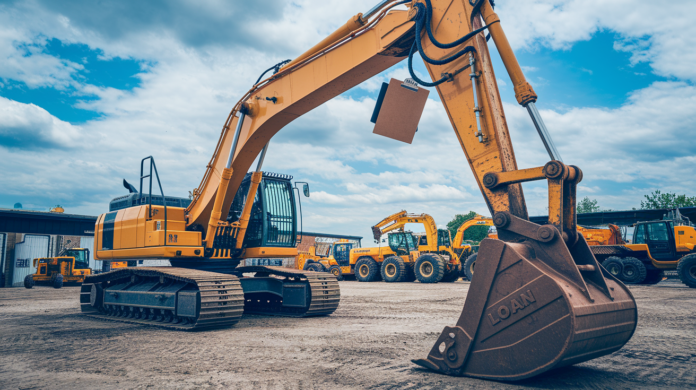

What if the bulldozers, CNC mills, or forklifts on your lot could unlock fast, predictable capital?
Asset-based lending treats those machines as collateral and advances a share of their appraised resale value.
That means faster access than a cash-flow loan, and approval often rests more on machine condition and brand than on profit history.
We’ll explain appraisal and LTV (loan-to-value), typical costs and terms, the docs lenders want, and how to decide if equipment-backed capital fits your cash needs.
Core Mechanics of Asset-Based Lending for High-Value Machinery
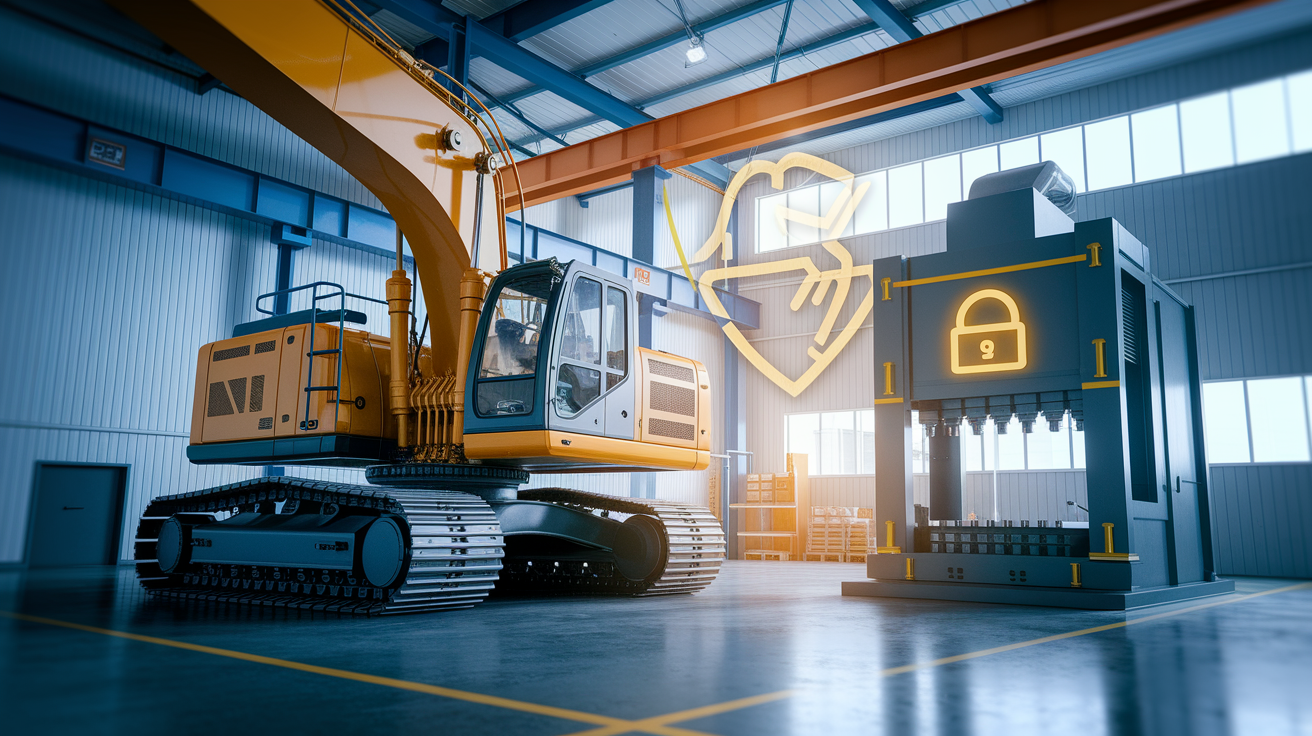
Asset-based lending for high-value machinery works by treating equipment as bankable collateral. Instead of leaning hard on earnings history or credit score, lenders appraise the resale value of machines (bulldozers, excavators, CNC mills, production presses, forklifts) and advance a percentage of that value. You keep the equipment running in your business while the lender holds a security interest until you repay.
The typical loan-to-value range runs 60% to 80% of appraised equipment value. New machinery from strong brands often hits the high end, around 70% to 80% LTV. Used or heavily depreciated equipment tends to draw 50% to 65%. A new $1,000,000 excavator might unlock $700,000 to $800,000 in capital. A five‑year‑old press valued at $600,000? Maybe $360,000 to $390,000.
Machinery makes strong collateral because it carries intrinsic resale value, lasts for years under normal use, can be tracked by serial number, and remains in demand across construction, agriculture, manufacturing, and logistics industries. High‑demand brands like Caterpillar, Komatsu, John Deere hold value especially well. Lenders can inspect, verify ownership, monitor condition, and recover assets quickly if necessary. That tangible certainty is what lets ABL move faster and approve more situations than traditional cash‑flow lending.
Common categories of heavy equipment eligible for ABL include earthmoving and construction machinery (bulldozers, excavators, backhoes, graders, loaders), material handling and warehouse equipment (forklifts, cranes, pallet jacks, reach trucks), agricultural equipment (tractors, combines, harvesters, planters), manufacturing machinery (CNC machines, lathes, injection molders, production presses), and transportation and logistics fleets (dump trucks, cargo trailers, cement mixers).
Appraisal and Valuation Processes for Machinery in Asset-Based Lending
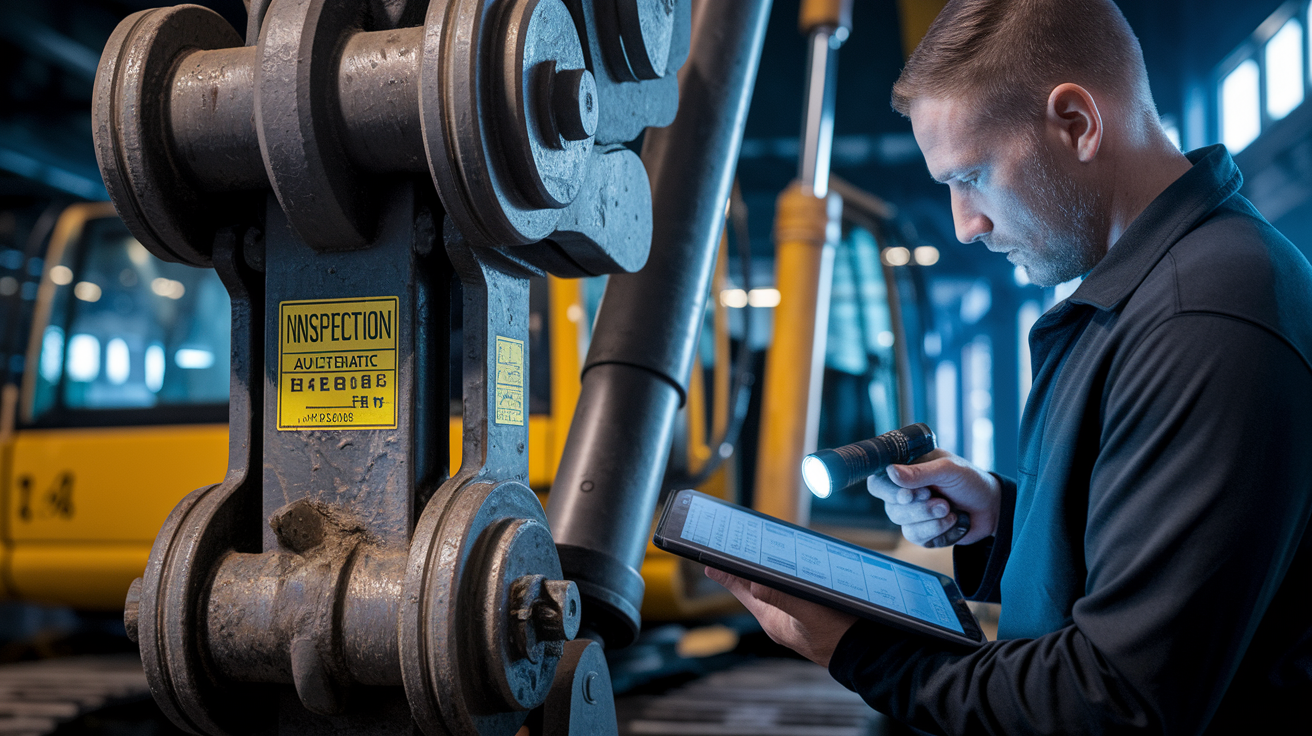
Lenders usually hire independent machinery appraisers to confirm serial numbers, inspect condition, measure remaining useful life, and establish current market value. Appraisers compare the equipment to recent sales of similar machines, check maintenance records, and note wear patterns. Valuation often blends three methods. Market approach uses comparable sales. Cost approach estimates replacement cost minus accumulated wear. Income approach projects the cash a machine will generate over its remaining life.
After appraisal, the lender sets the advance rate. New equipment with documented purchase invoices and warranties tends to receive 70% to 80% LTV. Used machinery with verified maintenance logs and clear title may draw 60% to 70%. Older units, obsolete models, or machines in fair-to-poor condition drop to 50% to 65% LTV. Appraisal fees typically run $500 to $5,000 or more, depending on machine complexity, number of units, and travel required for site visits.
| Equipment Type | Typical LTV Range | Key Valuation Factors |
|---|---|---|
| New construction machinery (Caterpillar excavator) | 70%–80% | Purchase invoice, warranty, brand demand, zero wear |
| Used production press (3–5 years old) | 60%–70% | Maintenance logs, hours of operation, market comparables |
| Older forklift fleet (6+ years) | 50%–65% | Condition, remaining useful life, parts availability |
| Specialized medical imaging or CNC equipment | 55%–75% | Technology obsolescence risk, niche market depth, calibration history |
Eligibility Criteria and Documentation for Equipment-Backed ABL
Most lenders want to see clear ownership, current financials, and proof that the equipment is insured and maintained. You’ll need to show that the machinery is free of competing liens, or that you can pay off existing liens at close, so the ABL lender can file a first‑position UCC‑1 financing statement. That UCC filing puts the public on notice that the lender holds a security interest in your equipment.
Filing a UCC‑1 usually costs $40 to $150 per state, plus legal fees if counsel prepares the filing. Some lenders will handle the paperwork and roll the cost into closing fees. You should expect the lender to verify serial numbers against your equipment schedule, confirm insurance coverage naming them as loss payee, and review recent maintenance invoices to confirm the machines are operational and well kept.
Strong maintenance records, detailed service logs, and original purchase invoices improve your approval odds and can nudge LTV higher. If you can show regular oil changes, part replacements, and third‑party inspections, appraisers and underwriters view the equipment as lower risk. Clear title and up‑to‑date registration or permits matter especially for mobile equipment like trucks and trailers.
Standard documentation requirements typically include two to three years of financial statements (profit and loss, balance sheet, interim month‑to‑date), equipment schedule listing make, model, serial number, year, and estimated current value for each unit, copies of original purchase invoices, bills of sale, or lease buyout paperwork, maintenance logs, service records, and any recent inspection reports, current insurance certificates showing comprehensive coverage and lender as loss payee or additional insured, and accounts receivable aging and inventory listing if the ABL facility includes AR or inventory in the borrowing base.
Loan Structures, Rates, and Repayment Terms for Machinery-Backed Facilities
Interest rates for equipment‑backed ABL commonly run 6% to 18% APR, depending on your company’s risk profile, the quality and liquidity of the collateral, and current market conditions. Many lenders quote floating rates tied to Prime or SOFR plus a margin of 1.5% to 5%. A contractor with solid payment history and late‑model Caterpillar dozers might see Prime + 2%. A startup with used, off‑brand machinery? Could land at Prime + 4.5% or higher.
Some lenders offer fixed‑rate term loans, especially when equipment serves as the sole collateral and repayment follows a predictable amortization schedule. Revolving ABL lines give you more flexibility. Draw when you need capital, pay down when revenue comes in, and the borrowing base adjusts with equipment value and other eligible collateral. Revolvers typically renew every 12 to 36 months, and you pay interest only on outstanding balances.
Term equipment loans usually amortize over two to seven years. Heavy, long‑life machinery like production presses or large excavators may stretch to seven to ten years if the appraiser confirms sufficient remaining useful life. Shorter amortization lowers total interest cost but increases monthly payment size. Longer terms ease cash flow but mean you’ll pay interest over more years and risk the loan outlasting the equipment’s productive value.
| Loan Type | Typical Term | Rate Style |
|---|---|---|
| Revolving ABL line (equipment + AR + inventory) | 12–36 months, renewable | Floating (Prime or SOFR + margin) |
| Term equipment loan (single machine or fleet) | 2–7 years; up to 10 years for heavy/long-life units | Fixed or floating |
| Equipment lease with buyout option | 3–5 years typical | Implicit rate (often disclosed as money factor) |
Monitoring, Maintenance, and Ongoing Lender Requirements for Machinery ABL
Once funded, lenders typically require periodic reporting and may conduct field examinations to verify that equipment remains on‑site, operational, and insured. How often depends on deal size and perceived risk. A $500,000 facility might trigger annual site visits. A $5,000,000 revolver? Could require quarterly audits. Some lenders accept photos, telematics data, or third‑party inspection reports between in‑person visits.
Maintenance matters continuously. If you defer oil changes, skip inspections, or run machines past recommended service intervals, condition deteriorates and appraisers will mark down value at the next review. That can shrink your borrowing base mid‑term, forcing paydown or limiting future draws. Lenders want to see that you’re protecting their collateral, so keeping detailed service logs and sharing them proactively builds trust and supports renewal requests.
Standard lender monitoring actions include requesting updated equipment schedules and serial‑number verification every six to twelve months, conducting on‑site field examinations or hiring third‑party auditors to inspect machinery condition, reviewing insurance certificates and confirming the lender remains named as loss payee or additional insured, and collecting periodic financial statements, accounts receivable aging, and inventory reports if the borrowing base includes those asset classes.
Advantages and Risks of Asset-Based Lending for High-Value Machinery
Asset-based lending offers faster approval than traditional cash‑flow loans because underwriters focus primarily on collateral value. That makes ABL workable for seasonal businesses, younger companies without long earnings records, or operators rebuilding after revenue dips. You can use the proceeds for nearly any working‑capital purpose (payroll, materials, upgrades, expansion) and you retain ownership of the equipment instead of selling assets or taking on equity partners.
The main risks center on depreciation, administrative burden, and repossession exposure. Machinery loses value over time through wear, technological obsolescence, and market shifts. If your borrowing base shrinks below the outstanding loan balance, the lender may require a principal paydown. Missing payments puts the equipment at risk of repossession, which can shut down operations and damage customer relationships. Monitoring and reporting also add administrative work. Updating schedules, arranging inspections, and maintaining insurance can feel heavy if you’re already stretched thin.
Key points to weigh: faster underwriting and approval for companies with strong collateral but limited earnings history, flexible use of proceeds across payroll, inventory, equipment upgrades, and general working capital, ability to scale borrowing as you acquire more eligible equipment or grow accounts receivable and inventory, lower borrowing base on older, poorly maintained, or obsolete machinery reduces available capital over time, repossession risk if cash flow can’t support repayment, potentially halting business operations, and ongoing administrative requirements for reporting, inspections, audits, and insurance renewals.
Industry-Specific Use Cases for Machinery-Based ABL
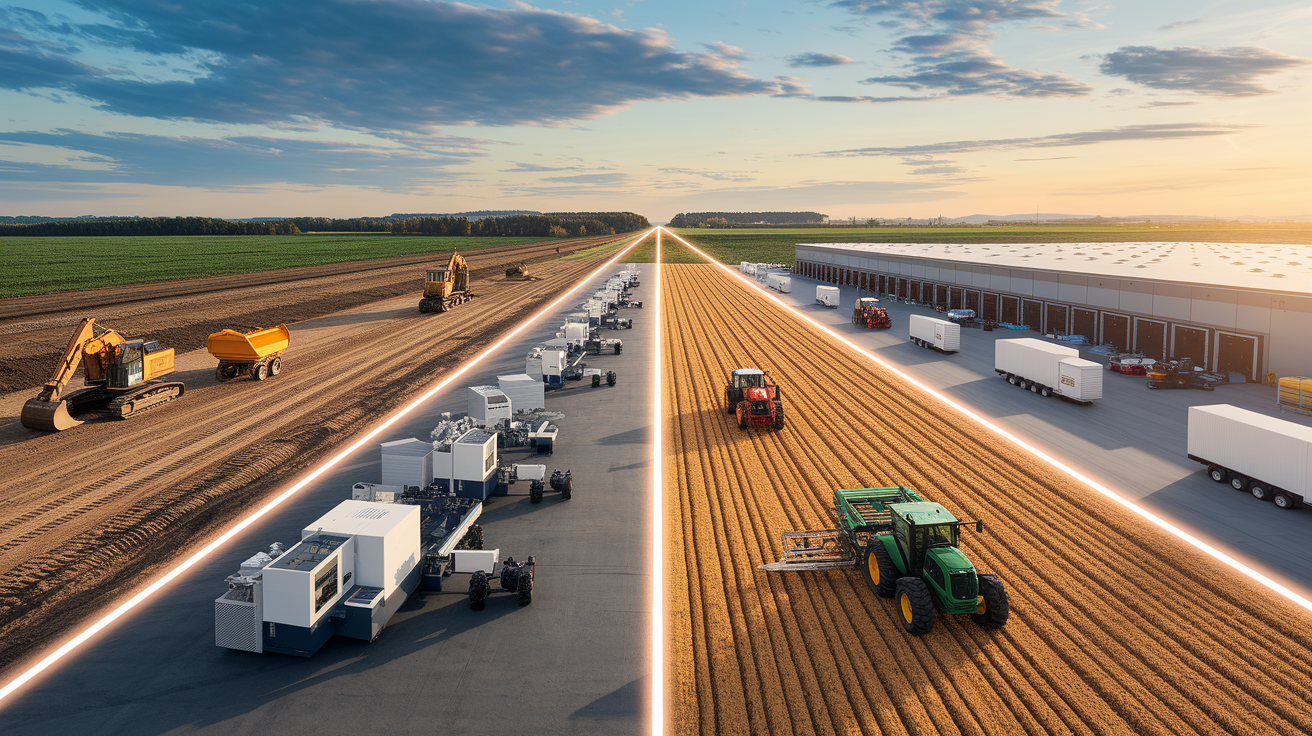
Construction companies frequently use ABL to finance fleets of bulldozers, excavators, dump trucks, and cranes. A general contractor bidding large site‑prep projects might pledge twenty units of earthmoving equipment to unlock $3,000,000 in working capital, covering payroll and materials until progress payments arrive. Real‑world example: a sand‑logistics technology provider secured a $5,000,000 diminishing revolver on March 27, 2026, using specialized transport and handling equipment as part of the collateral package.
Manufacturers turn to equipment‑backed ABL when purchasing high‑ticket production machinery. A precision‑parts shop buying a $2,500,000 CNC machining center at 75% LTV could draw roughly $1,875,000, amortized over five to seven years. That leaves the owner’s equity and operating cash free for other expenses. Similarly, a Gulf Coast power‑systems manufacturer refinanced existing debt with a $5,000,000 asset‑based lending facility on March 13, 2026, consolidating liens on production equipment, inventory, and receivables into a single revolver with improved terms.
Agriculture relies heavily on seasonal cash flow, making ABL a natural fit. A farm operation may pledge combines, tractors, planters, and harvesters to bridge the gap between planting expenses and harvest revenue. Logistics and warehouse operators use forklifts, reach trucks, and pallet‑handling systems as collateral to fund facility expansions or add units during peak shipping seasons. In each case, the machinery stays in productive use while the lender holds a claim that releases upon final repayment.
| Industry | Common Equipment | Typical LTV |
|---|---|---|
| Construction | Bulldozers, excavators, cranes, dump trucks, graders | 60%–80% (higher for late‑model CAT, Komatsu) |
| Manufacturing | CNC machines, lathes, production presses, injection molders | 65%–80% (new), 55%–70% (used) |
| Agriculture | Tractors, combines, harvesters, planters | 60%–75% (John Deere, Case IH command premium) |
| Logistics / Warehousing | Forklifts, reach trucks, pallet jacks, cargo trailers | 50%–70% (condition and hours drive variance) |
Comparison of ABL vs Equipment Loans vs Leases for High-Value Machinery
Asset-based revolvers tied to equipment, inventory, and receivables offer the most flexibility. You draw and repay as cash flow shifts, and the borrowing base adjusts with collateral value. That fluidity suits businesses with seasonal peaks or project‑based revenue. Traditional equipment term loans lock in fixed amortization, often at lower rates for strong credits, but require predictable earnings to support monthly payments and may impose cash‑flow covenants.
Leases let you use machinery without ownership responsibilities. The lessor retains title, handles some maintenance or upgrade paths, and you make periodic lease payments. At lease end, you can return the equipment, buy it out, or upgrade. Leases preserve working capital and may offer tax benefits, but you never build equity in the asset and total lease payments often exceed the purchase price. ABL and equipment loans both lead to ownership once the debt is repaid.
| Financing Type | Ownership | Typical Term | Key Advantage |
|---|---|---|---|
| ABL revolver (equipment + other collateral) | Borrower owns; lender holds lien | 12–36 months, renewable | Flexible draw/repay; scales with collateral base |
| Equipment term loan | Borrower owns; lender holds lien | 2–7 years (sometimes up to 10) | Fixed amortization; builds equity; may offer lower rate for strong credits |
| Equipment lease | Lessor owns; lessee uses | 3–5 years typical | Preserves working capital; potential tax benefits; easy upgrades at term end |
Final Words
In the action, we showed how lenders value high-value machines and turn that value into working capital. We covered appraisals, LTV ranges, required docs, and ongoing monitoring.
You saw the typical 60%–80% LTV, how term loans and revolvers are structured, and why machines make strong collateral: resale value, serial numbers, and longevity. Use cases included payroll, inventory, upgrades, and expansion.
If the math fits and records are tidy, asset-based lending for high-value machinery can free cash fast without selling gear. Ask for real quotes and pick the option that matches your cash rhythm.
FAQ
Q: How does asset-based lending work for high-value machinery?
A: Asset-based lending for high-value machinery works by lenders advancing cash based on the machines’ collateral value, letting you keep ownership while using proceeds for payroll, upgrades, inventory, or expansion.
Q: What loan-to-value (LTV) ranges apply for heavy machinery in ABL?
A: Typical LTV ranges for heavy machinery in ABL are 60%–80% for newer, high-quality equipment; older or used machines often qualify in the 50%–65% range depending on condition and market demand.
Q: Why is machinery considered strong collateral for ABL?
A: Machinery is strong collateral because it holds resale value, has long useful life, uses serial-number verification, and is trackable, which makes valuation and recovery easier if repayment fails.
Q: Which heavy-equipment categories are commonly eligible for ABL?
A: Common heavy-equipment categories eligible for ABL include bulldozers, excavators, cranes, CNC machines, and production presses, used across construction, manufacturing, logistics, and agriculture.
Q: How are machinery appraisals and valuations performed for ABL?
A: Machinery appraisals verify make, model, and serial numbers, then use market comparables, income or cost approaches, and remaining useful life estimates, usually done by an independent appraiser.
Q: What are typical appraisal fees and LTV differences for new versus used equipment?
A: Appraisal fees typically range $500–$5,000+, with new equipment often getting 70%–80% LTV while used machines commonly qualify for 50%–65% LTV based on condition.
Q: What documentation do lenders require to qualify for equipment-backed ABL?
A: Lenders typically require proof of ownership, a serial-number schedule, maintenance logs, insurance certificates naming the lender, an equipment schedule, and recent financial statements; expect UCC‑1 filings.
Q: What rates, loan structures, and repayment terms are common for machinery-backed facilities?
A: Rates commonly run 6%–18% APR; many loans float on Prime or SOFR plus 1.5%–5%. Term loans amortize over 2–7 years, sometimes up to 10, while revolvers run 12–36 month cycles.
Q: What monitoring and maintenance requirements do lenders impose after funding?
A: After funding, lenders usually require periodic inspections, updated condition reports, maintenance logs, telematics data, and proof of insurance; lapses can reduce your available borrowing base.
Q: What are the main advantages and risks of ABL for high-value machinery?
A: The main advantages are faster approval, flexible use of proceeds, and borrowing with limited credit; risks include depreciation shrinking borrowing capacity, repossession on default, and ongoing reporting burdens.
Q: How does ABL compare to equipment loans and leases for high-value machinery?
A: ABL ties borrowing to asset value and offers flexible borrowing bases and faster access; equipment loans provide fixed amortization, and leases avoid ownership but carry different cost and tax implications.