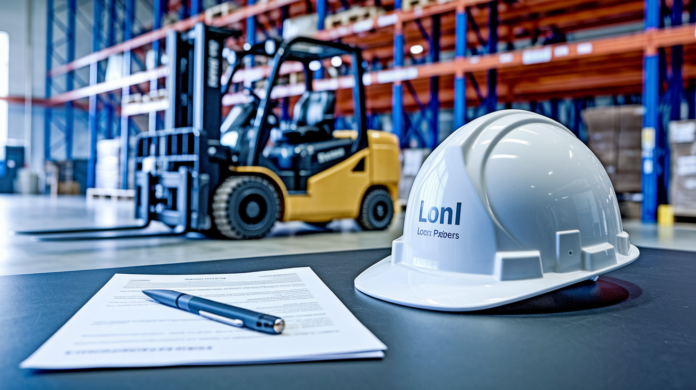

Paying cash for big equipment can be the worst move a growing business makes.
Financing lets you get the gear now while keeping cash coming in and going out.
You can choose loans, finance leases, operating leases, or a credit line to match your sales cycle.
This guide walks you through speed, true cost, repayment style, and the docs and credit you’ll need.
What’s the money for, and when do you need it? By the end you’ll know which setup fits your operations and avoids surprises.
Core Overview of Business Equipment Financing
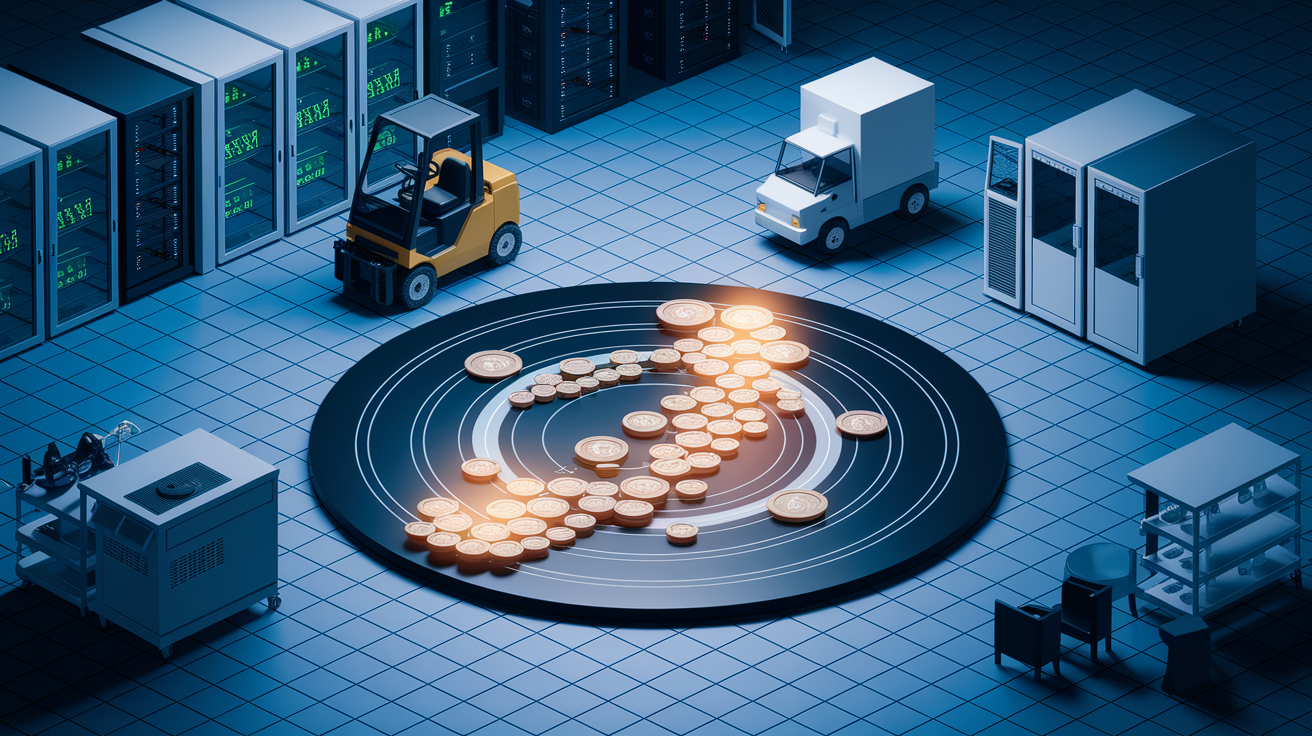
Equipment financing lets you buy machinery, vehicles, tech, or other physical assets without dropping the full price upfront. You spread the cost over time with monthly payments while the equipment starts earning its keep. We’re talking forklifts, construction gear, medical devices, commercial kitchen setups, delivery trucks, IT servers, office furniture.
Most businesses go this route when keeping cash flow healthy beats parking a ton of capital in one asset. Or when the equipment pays for itself through extra capacity or sales. Construction, healthcare, transportation, manufacturing, restaurants… these industries lean hard on equipment financing to keep things moving without draining working capital.
The main structures break into a few categories. Each one handles ownership and payments differently:
Equipment loans let you borrow to buy the asset. You own it right away and pay back principal plus interest over a fixed term.
Finance leases (sometimes called capital leases) work like this: you lease the equipment with a buyout option or automatic ownership at the end. Accounting treats it like a financed purchase.
Operating leases (true leases) mean you lease for a set period and give it back when the term ends. No ownership unless you exercise a buyout.
Equipment lines of credit give you a draw-as-you-go setup for multiple purchases or seasonal needs. You repay, then borrow again within your limit.
SBA-backed equipment loans are government-guaranteed, which gets you longer terms and better rates if you qualify.
Main Types of Equipment Financing Solutions
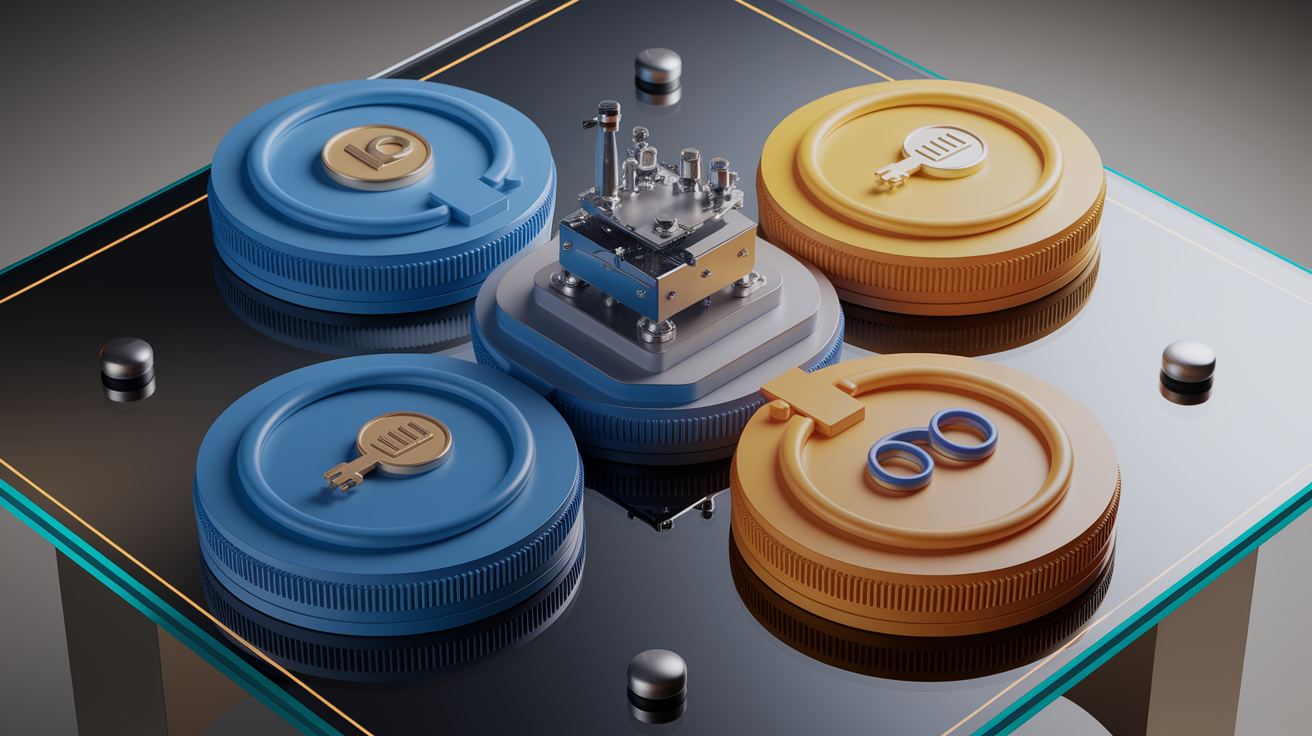
Equipment loans are term loans where the equipment itself is the collateral. You borrow a set amount, the lender files a lien on the asset, and you repay over 12 to 84 months. When you’re done, you own it outright. This works best when you’re planning to use the thing well past the loan term and you want to grab depreciation or Section 179 tax breaks.
Finance leases let you lease with the understanding you’ll probably own it eventually. You might pay a small residual at the end (often 10 to 30 percent of the original cost), or ownership just transfers automatically. Tax-wise and accounting-wise, these act like loans. People like them when they want smaller monthly payments than a straight loan but still plan to keep the asset long term.
Operating leases are true leases. The lender keeps ownership. You use the equipment for a defined stretch (usually 12 to 60 months), then return it or renegotiate. Monthly payments run lower because you’re not financing full ownership. Makes sense for stuff that goes obsolete fast… IT servers, restaurant POS systems, that kind of thing.
Equipment lines of credit set you up with revolving credit for buying multiple pieces over time. You draw what you need, pay it down, and the credit refreshes. Rates are usually variable. Works well for businesses buying smaller items regularly or managing seasonal equipment needs. Landscapers, event companies, things like that.
| Financing Type | Best For |
|---|---|
| Equipment Loan | Long-term ownership, depreciation benefits, predictable fixed payments |
| Finance Lease | Lower monthly cost than a loan, eventual ownership with small residual |
| Operating Lease | Short-term use, frequent upgrades, preserving capital, off-balance-sheet treatment |
| Equipment Line of Credit | Multiple purchases, seasonal or variable needs, ongoing equipment replacement |
Eligibility Requirements and Qualification Criteria
Most equipment lenders want to see a minimum time in business. Often that’s 6 months to 2 years. They’ll check your personal or business credit score, and you’ll need somewhere in the 550 to 700 range depending on who you’re talking to. Better credit gets you better rates and higher limits. Above 680 and you’re looking at bank rates around 5 to 12 percent APR. Between 600 and 680, you’re into online lender territory at 8 to 30 percent.
Revenue minimums? All over the map. Smaller online lenders might accept $50,000 annual revenue. Banks and SBA lenders often want $100,000 to $250,000 or more. Time in business and cash flow matter more for bigger loans. A $500,000 deal needs proof of stable revenue, debt service coverage, and a solid P&L.
The equipment is your collateral. Lenders file a UCC-1 lien. If you default, they repossess. This collateral-first approach means businesses with weaker credit can still qualify, especially if the equipment holds resale value. Personal guarantees are standard for most deals under $500,000.
Documents lenders typically ask for:
- 3 to 12 months of business bank statements
- 2 years of business and personal tax returns
- Current P&L and balance sheet
- Equipment quote or invoice with make, model, and price
Rates, Fees, and Total Cost of Equipment Financing
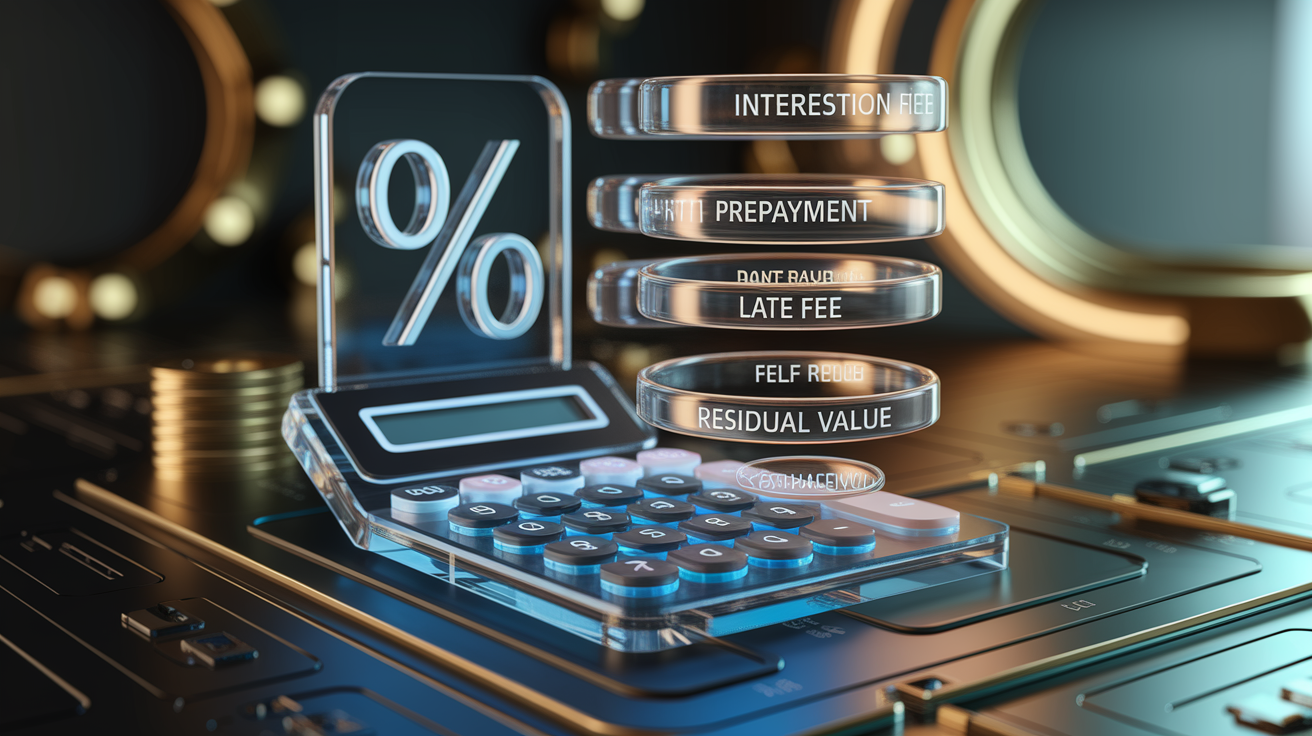
Interest rates on equipment financing usually run 4 percent to 45 percent APR. Depends on your credit, lender type, and loan size. Prime bank loans for strong borrowers sit at 5 to 8 percent. Online and specialty lenders charge 8 to 30 percent for good credit, up to 40 percent or higher for weaker profiles. SBA-backed loans often deliver solid effective rates, though upfront guarantee fees and longer approval times complicate things.
Lease rates sometimes get quoted as a “money factor” instead of an APR. Quick conversion: money factor × 2400 gives you a rough APR. An operating lease with a 0.003 money factor translates to about 7.2 percent APR equivalent. True cost depends on residual terms and fees, though.
Origination fees usually range from 0.5 to 4 percent of the financed amount. Some lenders charge flat documentation fees or expedited processing (like $375 for faster underwriting). A few waive origination entirely. Watch for prepayment penalties. Some lenders let you pay off early without penalty. Others charge a fee or offer a small discount for paying ahead. Late payment and returned payment fees vary too, so nail those down before you sign.
Five main things drive your rate:
- Credit score. Higher scores get lower rates and longer terms.
- Time in business. Lenders reward businesses operating 2+ years with better pricing.
- Annual revenue. Stronger cash flow cuts lender risk and improves terms.
- Equipment type and age. New, high-resale-value assets get better rates than used or specialty machinery.
- Loan size and term. Larger deals and longer terms might carry higher rates to offset lender risk.
Step‑by‑Step Application Process
Applying for equipment financing follows a pretty straightforward path. Most lenders give you conditional approval within 24 to 72 hours if your documents are complete.
Step one: Figure out how much you need. Get a firm quote from your equipment vendor with exact model, price, and any installation or soft costs.
Step two: Check your qualifications. Review your credit score, revenue, time in business. Make sure you meet the lender’s minimum thresholds.
Step three: Compare lender options. Request quotes from at least two or three sources. Banks, online lenders, equipment finance companies, or SBA lenders.
Step four: Gather required documents. Pull together bank statements, tax returns, P&L, balance sheet, equipment quote, business license, and owner IDs.
Step five: Submit application and wait for underwriting. Most online lenders respond in 1 to 3 business days. Banks and SBA programs can take 1 to 10 weeks.
Step six: Review terms and close. Confirm APR, fees, payment schedule, prepayment rules, and insurance requirements. Sign and receive funds.
Comparing Equipment Financing Options
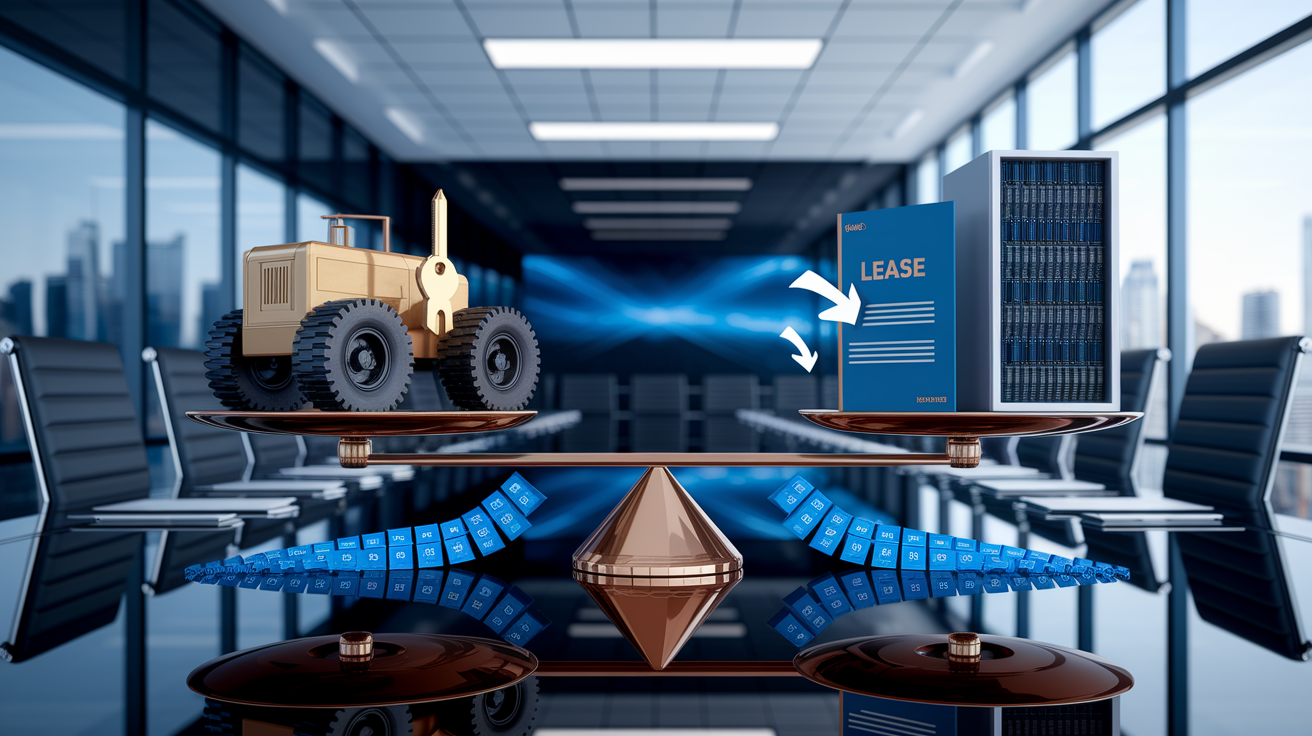
When you’re deciding between loans, finance leases, and operating leases, the choice boils down to ownership goals, cash flow, and how long you’ll actually use the asset. Equipment loans give you ownership and let you claim depreciation or Section 179 deductions. But they tie up capital and require higher monthly payments. Finance leases spread those payments over a longer term with a small residual, getting you eventual ownership at lower monthly cost. Operating leases cut monthly outlay even further and keep the asset off your balance sheet. But you never own it unless you negotiate a buyout at the end.
Total cost over the full term often favors loans if you plan to use the equipment beyond the financing period. Leases cost more long term because you’re paying for lender flexibility. But they make sense when you upgrade frequently or when monthly cash flow is tight. If the equipment will be obsolete or worn out in three years, an operating lease aligns better with replacement cycles.
| Option | Pros | Cons |
|---|---|---|
| Equipment Loan | Immediate ownership, lower total cost, depreciation benefits, predictable fixed payments | Higher monthly payments, down payment often required, asset appears on balance sheet |
| Finance Lease | Lower monthly cost than loan, ownership at term end, smaller or zero down payment | Total cost higher than loan, buyout or residual due at end, treated like debt on books |
| Operating Lease | Lowest monthly payment, easy upgrades, off-balance-sheet in many cases, minimal upfront cash | No ownership unless buyout, highest long-term cost, return conditions may include wear fees |
Choosing the Right Equipment Financing for Your Business
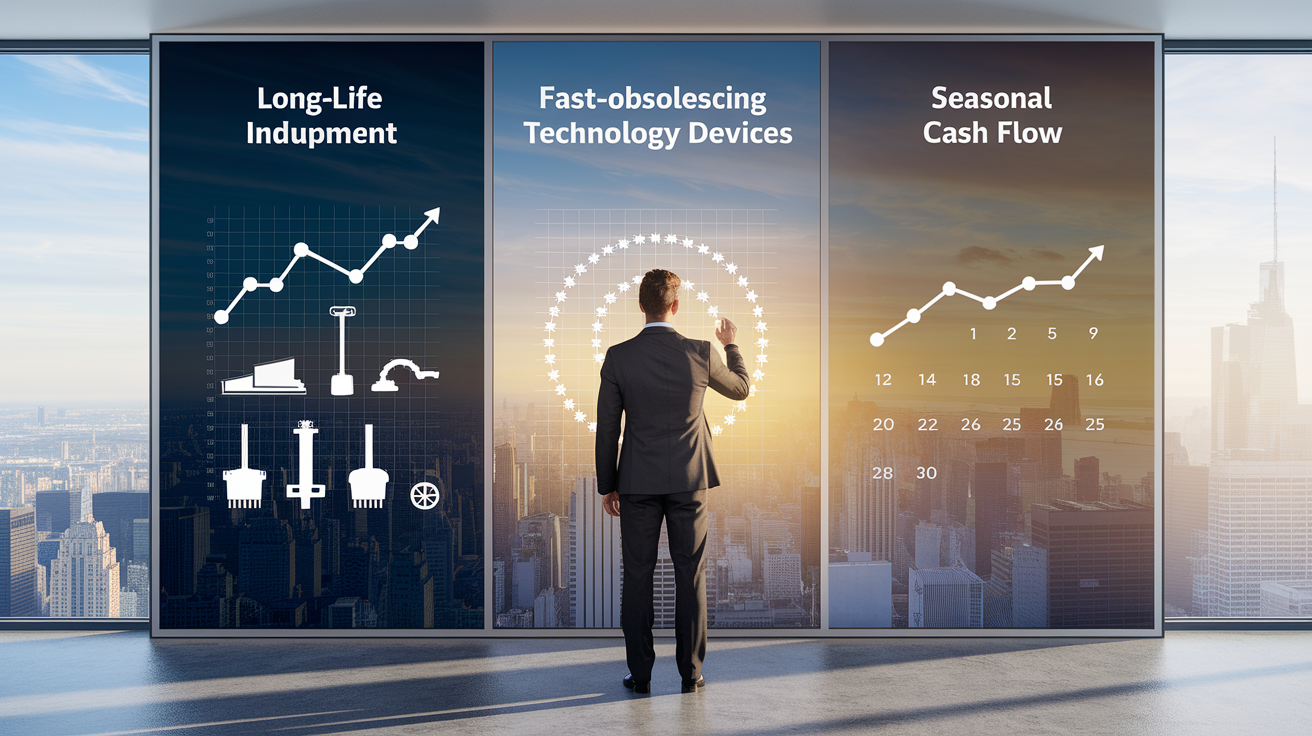
Match your financing type to the equipment’s useful life and your business’s cash position. If the asset will serve you for five to ten years and you want to claim tax deductions, an equipment loan or finance lease makes the most sense. If you’re buying technology that’s outdated in two years, or if you want to preserve working capital, an operating lease or short-term loan fits better.
Cash flow timing matters too. Daily or weekly repayment schedules (common with some online lenders) work if you’ve got steady daily revenue. Retail or food service, for example. Monthly payments suit businesses with lumpy receivables or project-based income. SBA loans offer the longest terms and lowest rates but you need patience. If you need equipment this week, a bank or online lender is the faster path.
Key factors to weigh:
Planned hold period. Finance equipment you’ll use longer than 36 months. Lease for shorter lifecycles.
Cash flow pattern. Match payment frequency to your revenue cycles.
Tax strategy. Consult an accountant on Section 179, bonus depreciation, and lease payment deductibility.
Upgrade frequency. If you replace equipment every 2 to 3 years, operating leases simplify turnover.
Final Words
In the action, we mapped what equipment financing is, who uses it, and the main structures—loans, leases, and credit lines.
We broke down rates, fees, qualification rules, and the step-by-step application so you see true cost and how fast you can close.
Use the comparisons to match option to cash flow, equipment life, and upgrade plans.
If you need business equipment financing, focus on fit first: pick the option that preserves cash coming in and going out and move forward with confidence.
FAQ
Q: How hard is it to get a $1,000,000 business loan?
A: Getting a $1,000,000 business loan is tough. Lenders usually want several years in business, strong annual revenue (often $1M+), good owner credit, collateral, and a clear repayment plan—approval can take weeks.
Q: Can an LLC get a startup loan?
A: An LLC can get a startup loan, but startups face stricter rules; lenders often require owner personal guarantees, strong personal credit, or collateral. Alternatives include small lender programs, equipment financing, or investor capital.
Q: How hard is it to get a $50,000 business loan?
A: Getting a $50,000 business loan is moderately difficult; many lenders approve with one-plus years of revenue, solid bank statements, and fair credit. Online lenders or credit lines often fund faster than traditional banks, sometimes in days.
Q: What credit score is needed for equipment financing?
A: Equipment financing typically needs a credit score around 600–700 for favorable terms; lower scores may still qualify but usually mean higher rates, larger down payments, or stronger revenue and collateral requirements.