
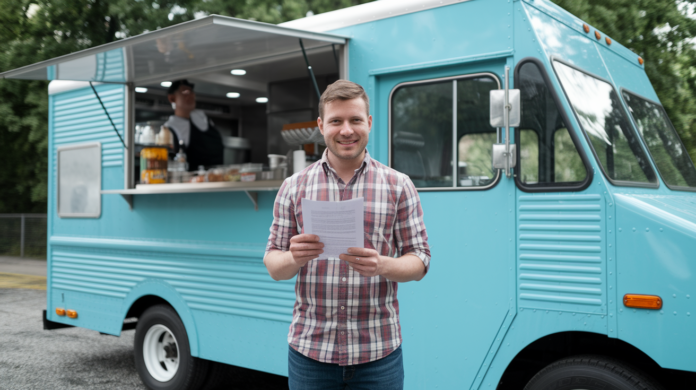

Think you can start a food truck on a credit card? Think again.
Financing bridges the gap between your savings and what it really costs to get rolling.
Most operators need $50,000 to $200,000 to buy the truck, outfit the kitchen, handle permits, and cover payroll and fuel while they build sales.
This post lays out the main loans and funding solutions, including SBA loans, equipment financing, lines of credit, microloans, and merchant cash advances, and shows how fast they fund, how repayment works, what they cost, and which option fits your cash coming in and going out.
Overview of Financing Options for Food Trucks

Food truck financing fills the space between your savings and what you actually need to get rolling. Most people use it to buy the truck, build out the kitchen, stock inventory, and keep enough cash on hand for permits, payroll, and fuel while you’re ramping up. Depending on where you are and whether you’re going new or used, you’re looking at somewhere between $50,000 and $200,000 to get operational. That’s not pocket change.
Good thing is, you’ve got options. If your credit’s decent and you can wait, bank or SBA loans give you lower rates and longer payback windows. Need to move faster or working through credit issues? Equipment financing, lines of credit, or short-term lenders can get you funded in days. The trick is lining up the product with how your cash actually flows and being clear about what you’re spending on. Lenders structure deals differently depending on whether you’re buying hard assets, covering soft costs, or just keeping the lights on.
When you’re mapping out your funding, start with the full amount. Then break it down: truck purchase, kitchen gear, permits, inventory, POS systems, commissary fees, insurance, and a buffer for those first few months when you’re still building traction. Once you’ve got the number, you can mix and match financing without burying yourself in payments.
Common options:
SBA loans get you low rates, big amounts, and long terms. But they’re slow and picky about who qualifies.
Equipment financing covers the truck and kitchen hardware. The equipment itself is collateral, so it’s easier to get approved.
Business lines of credit give you revolving access for inventory, repairs, or when things get tight. You only pay interest on what you pull.
Short-term loans are fast when you need cash now. Higher cost, but qualification is flexible.
Microloans go up to $50,000, built for startups and borrowers who don’t fit the traditional mold. Requirements are simpler.
Merchant cash advances front you money against future card sales. Funds can hit in 24 hours, but the factor fee makes total payback steep.
Cost Breakdown for Starting a Food Truck

Knowing what you’ll actually spend helps you ask for the right amount and avoid running out of money halfway through your build. The truck’s the big one, but you’re also paying for equipment, permits, POS, insurance, and enough reserves to stay afloat while you find your footing. Underestimate and you’ll be scrambling for gap funding after you’ve already committed.
Most new operators spend $75,000 to $250,000 to get fully operational. Used trucks in solid shape can cut the truck cost down, but you might still drop cash on retrofitting or swapping out tired equipment. New custom builds give you exactly what you want but push the price up.
What you’re paying for:
Food truck purchase: $30,000 to $70,000 used, $50,000 to $175,000 new.
Kitchen equipment: $10,000 to $40,000 for fryers, grills, refrigeration, ventilation, prep surfaces.
Permits and licenses: $1,000 to $10,000 depending on where you’re operating.
Point-of-sale system: $500 to $3,000 for hardware and software.
Insurance: Budget $2,000 to $5,000 annually, varies by coverage.
Commissary or storage fees: A lot of cities require a commercial kitchen base. Expect $300 to $1,000 per month.
Initial inventory and supplies: $2,000 to $5,000 to stock food, packaging, and cleaning supplies for the first few weeks.
SBA Loan Options for Food Truck Owners

SBA loans are backed by the U.S. Small Business Administration, which lets banks take on less risk and offer you better rates and longer terms. The catch? Longer approval timelines (weeks to months) and tighter qualification standards. If you’ve got time, decent credit, and a clear plan, SBA programs can be the cheapest way to fund a food truck.
SBA 7(a) Loan Program
The 7(a) program is the big one. Maximum loan amounts go up to $5,000,000. For food trucks, you’re usually looking at $50,000 to $500,000, covering the truck, equipment, working capital, and soft costs like taxes and installation. Interest rates are capped and typically land between 6% and 12% depending on the lender, loan size, and your credit.
Repayment terms can stretch to 10 years for equipment, up to 25 years if you’re financing real estate (like a commissary or storage space). Collateral’s usually required. Lenders want at least two years of financials if you’re already operating, or a detailed business plan and personal financial history if you’re starting from scratch. The application’s thorough. You’ll provide tax returns, profit and loss statements, and a breakdown of what you’re spending the money on.
SBA Microloan Program
Microloans max out at $50,000. The average is around $13,000, which can cover a used truck, essential kitchen equipment, or initial inventory and permits. Microloans are popular with new operators because qualification’s more relaxed than traditional bank loans, and lenders often throw in business coaching and technical help.
Terms are shorter, typically up to six years, and interest rates run 8% to 13%. You’ll still need a business plan and personal credit history, but lenders are more flexible with startups, lower credit scores, and borrowers who don’t have much collateral. Some programs restrict what you can use the funds for, so confirm your planned expenses are allowed before you apply.
Equipment Financing for Food Truck Purchases
Equipment financing uses the truck or kitchen equipment you’re buying as collateral. That makes it easier to qualify than an unsecured loan, because the lender can take the equipment back if you don’t pay. Lenders typically finance 80% to 100% of the equipment’s value. Repayment terms run two to seven years depending on how long the asset’s expected to last.
This works well when you’re buying a truck outright or upgrading major kitchen components like refrigeration, ventilation, or cooking equipment. Since the loan’s tied to the asset, you keep working capital free for inventory, payroll, and other operating expenses instead of burning all your cash on the truck purchase. Interest rates usually fall between 8% and 20%, depending on your credit, the equipment’s value, and whether you’re buying new or used.
Some lenders offer up to 125% financing, which covers the equipment cost plus soft costs like sales tax, delivery, installation, and warranties. That’s useful if you’re customizing a truck and need to pay for retrofitting, wraps, or specialized kitchen buildouts. Just make sure the total financed amount lines up with the truck’s resale value, so you’re not underwater if you ever need to sell or refinance.
Business Lines of Credit for Food Truck Operators

A business line of credit gives you revolving access to cash (usually $10,000 to $250,000) that you can pull from as needed and repay on a flexible schedule. You only pay interest on what you actually use, which makes lines of credit practical for managing uneven cash flow, restocking inventory after a busy weekend, covering surprise repairs, or bridging gaps during slow seasons.
Most lines are unsecured, so you don’t have to pledge collateral. But that also means lenders look closely at your revenue, credit score, and time in business. Once approved, funds are often available within one to two business days, and you can draw and repay repeatedly as long as the line stays open. Some lenders charge a small draw fee (around 2%) each time you access funds, so factor that in.
What you’d use it for:
Restocking inventory after high volume events or catering orders.
Covering payroll during seasonal slowdowns or when receivables are delayed.
Emergency repairs to the truck, kitchen equipment, or POS systems.
Marketing pushes, permit renewals, or upfront costs for new event licenses.
Short-term working capital to smooth out daily or weekly cash flow gaps.
Qualification Requirements for Food Truck Loans

Lenders look at personal credit, business financials, and how strong your business plan is. Personal credit scores typically need to be 600 or higher. Many traditional lenders prefer 680 or above for the best rates and terms. If your score’s below 650, you’ll have a harder time with bank or SBA loans, but equipment financing, microloans, and some online lenders can still work with fair or limited credit.
Time in business matters, especially for unsecured loans and lines of credit. Most lenders want at least six months of operating history. Some equipment financiers and microloan programs will fund startups if you have a solid business plan and can show demand through market research or pre-bookings. If you’re brand new, expect to provide detailed financial projections, customer counts, competitor analysis, and a breakdown of how you’ll generate revenue in the first six to twelve months.
Financial documentation usually includes personal and business tax returns, bank statements (typically the last three to six months), profit and loss statements, and a balance sheet if you’re already operating. For equipment purchases, you’ll also need vendor quotes, invoices, or purchase agreements showing exactly what you’re buying and how much it costs. Collateral requirements vary. SBA and bank loans often require personal guarantees or liens on the truck and equipment. Some online lenders and equipment financiers rely on the asset itself as security.
Typical Loan Terms and Rates

Loan terms and interest rates vary based on the type of financing, your credit, and whether the loan’s secured by collateral. SBA loans offer the longest terms and lowest rates. Short-term loans and merchant cash advances fund faster but cost more. Understanding the range helps you compare total payback and monthly payment impact before you commit.
| Loan Type | Typical Term | Interest Rate Range |
|---|---|---|
| SBA 7(a) Loan | 10–25 years | 6%–12% |
| Equipment Financing | 2–7 years | 8%–20% |
| Business Line of Credit | 6–24 months (revolving) | 10%–25% |
| Short-Term Loan | 3–18 months | 15%–36% |
Longer terms lower your monthly payment but increase total interest paid over the life of the loan. Shorter terms mean higher monthly obligations but less interest overall. Match the term to your revenue pattern. If you’re generating steady daily sales, a shorter term with higher payments may work fine. If your income’s seasonal or event based, a longer term with smaller, more manageable payments can reduce cash flow pressure during slow months.
Steps to Apply for Food Truck Financing

The application process varies by lender, but the core steps are similar whether you’re applying for an SBA loan, equipment financing, or a business line of credit. Starting organized saves time and improves your chances of approval.
Calculate your total funding need. Break down truck cost, equipment, permits, inventory, and operating reserves so you know exactly how much to request.
Check your personal and business credit scores. Pull reports from the major bureaus and fix any errors before you apply.
Gather financial documentation. Collect personal and business tax returns (last two years), bank statements (last three to six months), profit and loss statements, and a current balance sheet if you’re already operating.
Write or update your business plan. Include market research, competitor analysis, revenue projections, customer counts, and a clear explanation of what the funding will cover.
Collect vendor quotes and purchase agreements. If you’re financing equipment or a truck purchase, lenders want to see itemized quotes, invoices, or signed agreements showing cost and delivery terms.
Submit applications to multiple lenders. Compare rates, terms, fees, and funding timelines before you accept an offer.
Review the final agreement carefully. Check the total payback amount, repayment schedule, prepayment penalties, and any origination or draw fees before you sign.
Alternative Funding Methods

If traditional loans don’t fit your timeline, credit profile, or funding need, alternative methods can fill the gap. Each option has tradeoffs in cost, speed, and control, so match the method to your specific situation.
Crowdfunding platforms let you raise small contributions from a large pool of backers, often in exchange for equity, free menu items, or early access to events. Successful campaigns require a strong marketing push, a compelling story, and months of planning. Crowdfunding works best when you have time and an existing audience. Peer-to-peer lending connects you with individual investors who fund your loan outside the traditional banking system. Rates and terms vary, but approval can be faster and more flexible than a bank.
Merchant cash advances give you an upfront lump sum in exchange for a percentage of future credit card sales, with repayment happening automatically as you process transactions. Funding can arrive in 24 hours, but the factor fee structure makes total payback much higher than a traditional loan, and daily or weekly deductions can strain cash flow during slow sales periods. Grants are rare but worth pursuing if you qualify. Some local economic development agencies, nonprofit lenders, and industry associations offer small grants or forgivable loans to food entrepreneurs, especially in underserved communities or for businesses that create jobs.
Alternative options worth considering:
Crowdfunding raises pooled contributions. Platforms charge fees (typically 5% to 10% of total raised). Requires active marketing and a clear pitch.
Peer-to-peer lending gives you non-bank loans from individual investors. Flexible qualification, but rates and terms vary widely.
Merchant cash advances offer fast access (often 24 hours), but high cost and daily repayment can squeeze margins during slow periods.
Grants and forgivable loans are free money or low cost funding. Highly competitive and often restricted to specific geographic areas, business types, or underserved demographics.
Final Words
We covered the main funding routes: SBA loans, equipment loans, lines of credit, and a few alternative options, plus a clear cost breakdown and what lenders usually expect.
You also got loan terms and rates, a step‑by‑step application checklist, and tips for matching payments to your daily or seasonal cash coming in and going out.
Now use this checklist to compare true cost and pick the path that fits your cash rhythm. Food truck financing is doable when the repayment plan matches your sales — you can move forward with confidence.
FAQ
Q: How hard is it to get a food truck loan? Can a start-up LLC get a loan?
A: Getting a food truck loan and whether a start-up LLC can qualify depends on revenue, time in business, and credit. Start-up LLCs can get financing, but often with higher rates, larger down payments, or alternative lenders.
Q: How much of a down payment do you need for a food truck?
A: The down payment for a food truck usually runs 10-30 percent of the purchase price, roughly $2,000 to $30,000, depending on lender, loan type, and your credit and business history.
Q: Can you make payments on a food truck?
A: You can make payments on a food truck; lenders set repayment schedules by product. Equipment loans and SBA loans use monthly payments, while merchant cash advances or cash-flow products may take daily or weekly splits.