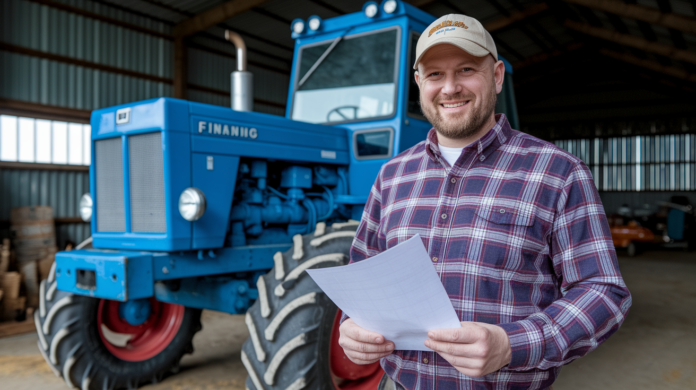

Think you have to pay cash for a new tractor? Think again.
Farm equipment financing lets you buy the gear now and pay over time, so cash stays for seed, fuel, and payroll.
Options range from bank loans and dealer leases to USDA programs and Farm Credit, each with different speed, cost, and repayment shapes.
This post walks you through the choices, the true cost (what you repay), seasonal payment tricks, and what lenders look for, so you can pick the option that fits your cash flow and timeline.
What’s the money for, and when do you need it?
Core Overview of Farm Equipment Financing Options Farmers Can Use
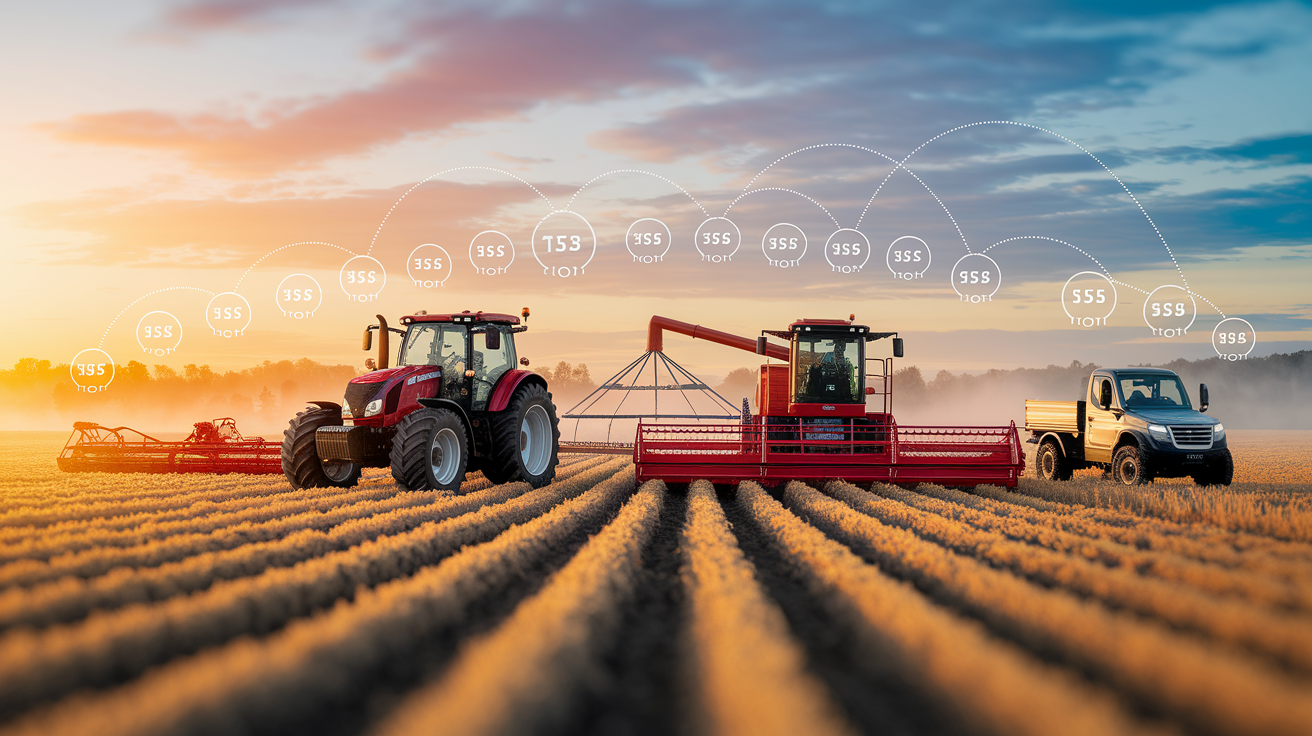
Farm equipment financing lets farmers spread machinery costs over time instead of draining cash reserves upfront. It covers tractors, combines, planters, seeders, harvesters, dump trucks, irrigation systems, sprayers, utility vehicles, and other essential farm machinery, whether new or used. Farmers finance equipment to keep working capital available for operating expenses, seasonal inputs, and unexpected costs while still getting the machinery that drives productivity.
Loan terms usually run 1 to 10 years, depending on equipment size and expected lifespan. Shorter terms (12 to 60 months) work for smaller implements, trucks, and attachments. Longer terms (60 to 120 months) suit major investments like combines, harvesters, and large tractors. The equipment itself typically serves as collateral, which simplifies approval and lowers lender risk.
Financing sources include traditional banks, credit unions, online lenders, USDA direct and guaranteed loan programs, the Farm Credit System (a nationwide network of customer-owned cooperatives), and manufacturer or dealer captive finance programs. Each lender type brings different rate structures, approval speeds, and service models. Some prioritize new or socially disadvantaged farmers. Others focus on established operations with strong revenue and credit.
Common Equipment Types Farmers Finance:
- Tractors (compact, utility, and row-crop models)
- Combines and harvesters
- Planters, seeders, and precision planting systems
- Sprayers, spreaders, and application equipment
- Dump trucks, trailers, and transport vehicles
- Irrigation systems, pivots, and water management tools
Types of Farm Equipment Financing Structures Farmers Commonly Choose
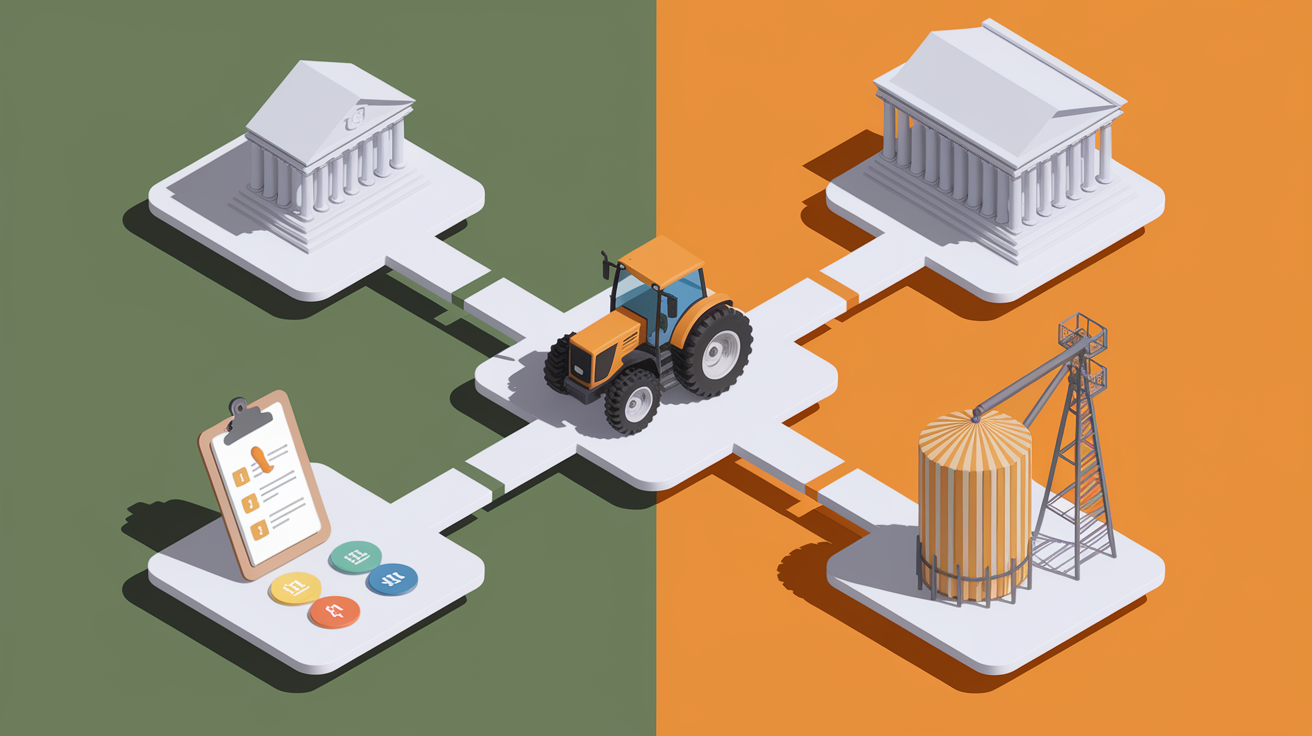
Different financing structures fit different cash flow patterns, equipment lifespans, and farm business goals. The structure you pick affects monthly payments, total cost, tax treatment, and long-term flexibility.
USDA Loans
USDA direct and guaranteed loans target new, beginning, and socially disadvantaged farmers who can’t always get conventional financing. Direct loans come from the Farm Service Agency (FSA) and often carry lower interest rates, but approval takes longer and documentation requirements are heavier. Guaranteed loans get issued by participating lenders with a USDA guarantee that reduces lender risk, opening doors for farmers with limited credit or collateral. These programs prioritize operations hit by economic hardship or those just entering agriculture.
Traditional Equipment Loans
Traditional loans come from commercial banks, regional ag banks, and online lenders. These are fixed or variable-rate term loans, usually 3 to 10 years, secured by the financed equipment. Approval hinges on credit score, farm revenue, debt-service coverage ratio, and financial documentation. You get straightforward amortization schedules, predictable monthly payments, and a clear ownership path. They work well for established farmers with steady income and organized financials.
Agricultural Leasing
Agricultural leasing lets farmers use equipment without buying it outright. Finance leases function like loans: payments build toward ownership and you claim depreciation. Operating leases are rental agreements with no ownership at the end, sometimes including maintenance and service. Leasing fits short-term needs, rapid technology upgrades, and situations where equipment use is seasonal or specialized. Monthly lease payments typically run lower than loan payments, which preserves cash flow. But total lease cost over time can exceed purchase cost if residuals and buyout terms aren’t favorable.
Farm Credit System Options
The Farm Credit System is a nationwide network of borrower-owned cooperatives offering loans, leases, crop insurance, financial education, and business planning tools. Members can access flexible financing structures, seasonal payment options, and relationship-based underwriting that considers whole-farm profitability, not just credit scores. Farm Credit lenders often bundle services: equipment loans, operating lines, and risk management products managed through a single relationship.
| Financing Type | Typical Borrower | Key Benefit |
|---|---|---|
| USDA Loans | New, beginning, or socially disadvantaged farmers | Lower rates, easier credit approval, government backing |
| Traditional Equipment Loans | Established farms with steady revenue and credit history | Fixed terms, predictable payments, clear path to ownership |
| Agricultural Leasing | Farms needing short-term equipment or frequent upgrades | Lower upfront cost, flexibility, possible maintenance inclusion |
| Farm Credit System | Member-owners seeking relationship banking and bundled services | Flexible repayment, whole-farm underwriting, education and insurance |
Qualification Requirements for Farm Equipment Financing Approval
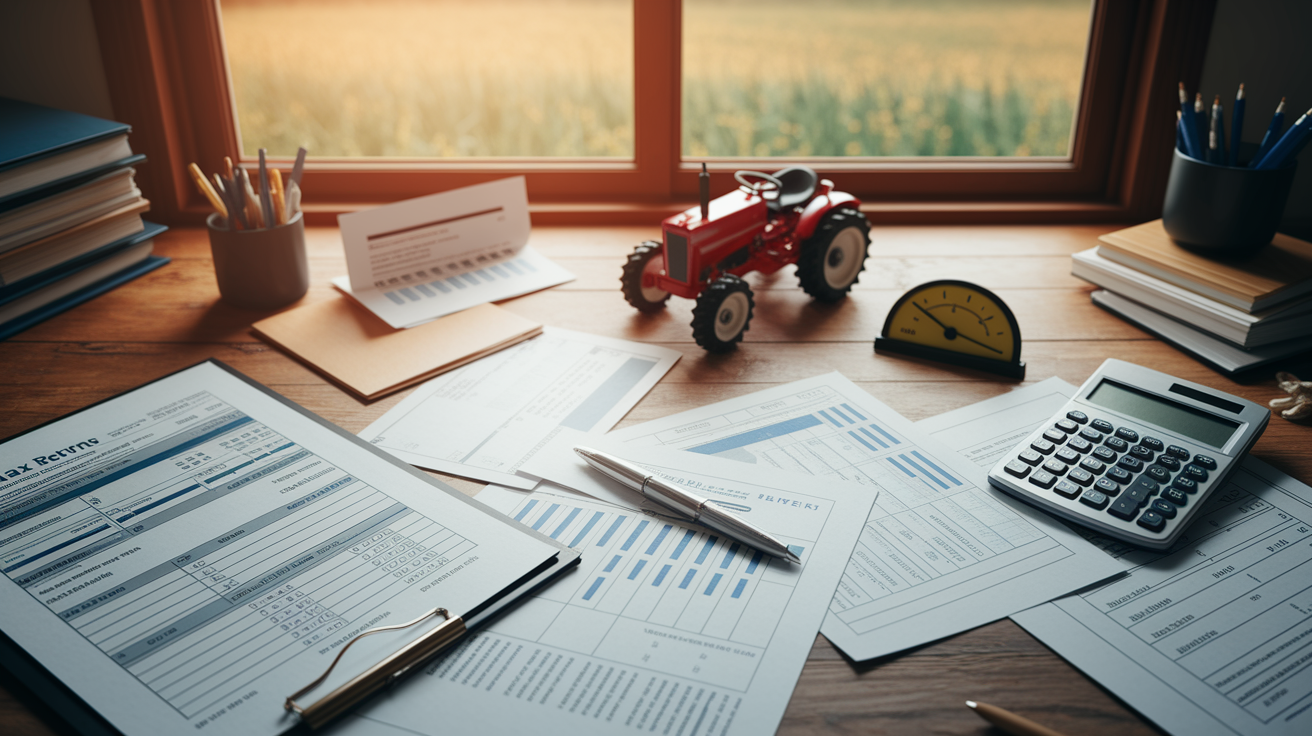
Lenders evaluate farm equipment financing applications using credit, revenue, collateral, and documentation. Personal credit scores matter. Most lenders prefer scores of 600 or higher, though USDA and some online lenders offer programs for lower scores. Strong credit can unlock better rates, higher loan-to-value ratios, and lower down payment requirements. Weaker credit typically means higher interest, stricter collateral rules, and sometimes a co-signer or additional guarantees.
Farm revenue documentation is required to prove repayment capacity. Lenders ask for tax returns, profit-and-loss statements, balance sheets, and farm production history showing consistent or growing income. They calculate debt-service coverage ratio (DSCR), which is the farm’s cash flow divided by total debt obligations. They target ratios above 1.1 to 1.5. Operations with seasonal or lumpy revenue need to show that cash flow timing aligns with payment schedules, or request seasonal payment structures.
The financed equipment usually serves as collateral. This simplifies approval and reduces the need for additional liens on land or other assets. If payments stop, the lender can repossess the equipment. Organized financial records (business and personal bank statements, current leases and contracts, a list of existing creditors, and a business plan) speed approval and signal professionalism, which lenders reward with better terms and faster decisions.
Benefits of Using Farm Equipment Financing for Growth and Efficiency
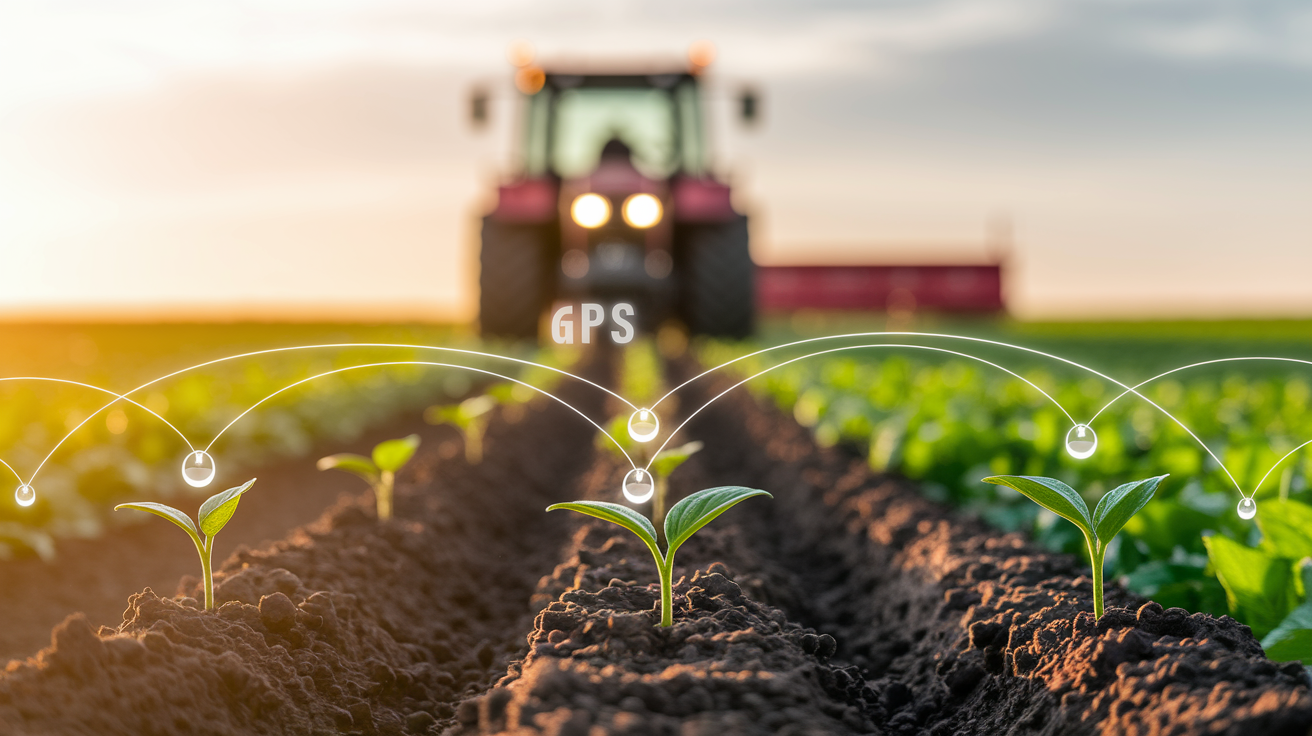
Financing farm equipment preserves working capital for operating expenses like fuel, seed, fertilizer, labor, and repairs that keep the farm running through the season. Instead of draining cash reserves on a single equipment purchase, farmers spread the cost over years, matching payments to the productive life of the asset.
Financing enables technology upgrades that improve efficiency, reduce labor, and increase yield. Precision planting systems, GPS-guided sprayers, and variable-rate applicators cost more upfront. But financing makes them accessible and the productivity gains often cover the monthly payment. Leasing structures let farmers upgrade every few years without selling used equipment or taking losses on rapidly depreciating technology.
Key Benefits:
- Cash flow preservation for inputs, payroll, and seasonal expenses
- Access to modern, efficient machinery that improves productivity and reduces waste
- Risk reduction by matching payment obligations to equipment revenue contribution
- Seasonal or flexible repayment options that align with uneven farm income cycles
- Ability to finance used equipment at lower cost while maintaining operational capacity
Seasonal Payment Strategies in Farm Equipment Financing
Farm income is rarely steady month-to-month. Harvest revenue concentrates in a few weeks, while expenses run year-round. Seasonal payment options let farmers schedule large payments when cash comes in, and smaller or zero payments during planting and growing months.
Common structures include annual payments timed to harvest, semiannual payments aligned with major revenue events, and quarterly payments that smooth cash flow without straining monthly budgets. Some lenders allow delayed first payments (up to 15 months after funding), giving farmers time to plant, grow, harvest, and sell before repayment begins. These structures reduce the risk of missed payments and the credit damage that follows.
Common Seasonal Payment Structures:
- Annual balloon payments made at harvest, with minimal or no payments during the crop year
- Semiannual schedules tied to two revenue events (e.g., grain harvest and livestock sales)
- Quarterly payments aligned with planting, mid-season, harvest, and post-harvest cash flow
- Delayed first payment (up to 15 months) to allow full crop cycle completion before repayment starts
Tax Benefits and Accounting Considerations in Farm Equipment Financing
Interest paid on farm equipment loans is often tax-deductible for qualifying farms. A farm with three years’ average annual gross receipts under $30 million is likely eligible for the deduction, but consult a CPA or tax attorney to confirm specific eligibility and limits. Deducting interest reduces effective borrowing cost and improves cash flow.
Section 179 allows farms to expense up to a specified dollar amount (adjusted yearly) of qualifying equipment purchases in the year placed in service. This accelerates tax benefits and reduces taxable income. Bonus depreciation can supplement Section 179 for larger purchases. Leasing changes the accounting treatment. Lease payments may be fully deductible operating expenses, but you don’t own the asset and can’t claim depreciation unless it’s a finance lease treated as a capital purchase.
Tax treatment influences total cost of ownership. A cash purchase allows immediate Section 179 expensing but depletes liquidity. A loan purchase spreads payments, preserves cash, allows depreciation deductions, and creates deductible interest. A lease preserves the most cash upfront and may create fully deductible payments, but total lease cost can exceed purchase cost over time, and you don’t own the asset at the end unless you exercise a buyout. Run the numbers with your accountant before committing.
| Method | Depreciation | Interest Deductibility | Cash Flow Impact |
|---|---|---|---|
| Loan Purchase | Section 179 and bonus depreciation available | Loan interest is deductible | Spreads cost over time, preserves working capital |
| Lease (Operating) | Lessee does not claim depreciation | Full lease payment may be deductible as expense | Lowest upfront cost, no ownership equity |
| Cash Purchase | Section 179 and bonus depreciation available | No loan, no interest deduction | Large upfront cash outlay, immediate ownership |
Application Steps for Securing Farm Equipment Financing
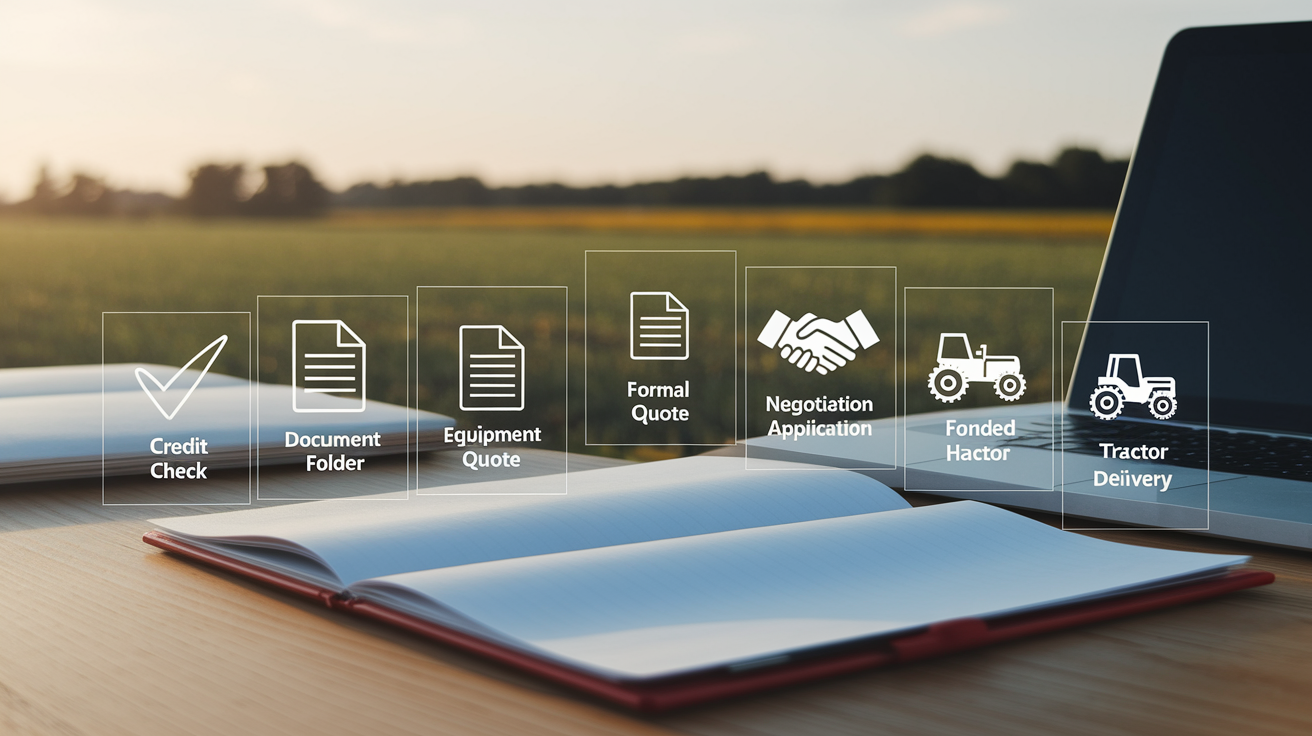
Applying for farm equipment financing follows a defined workflow. Organized preparation shortens approval time and improves offer terms.
- Check your personal and business credit scores. Pull reports, correct errors, and understand where you stand before lenders check.
- Gather required documents. Assemble business and personal tax returns (2 to 3 years), year-to-date profit-and-loss statements, balance sheet, business and personal bank statements, farm production history, current leases and contracts, business plan or operating budget, and a list of existing creditors and obligations.
- Get equipment quotes or invoices. Know the exact model, new or used condition, price, and seller details. Lenders need this to calculate loan-to-value and residual.
- Pre-qualify with multiple lenders. Many lenders offer soft-pull pre-qualification that shows rate and term estimates without affecting your credit score. Compare APR, fees, down payment, and repayment structure.
- Submit a formal application. Choose your preferred lender and provide full documentation. The lender conducts a hard credit pull, underwrites your farm’s financials, and issues a credit decision. Sometimes within 24 to 72 hours for strong applicants, or longer for USDA and government-guaranteed programs.
- Review and negotiate the offer. Check the APR, total interest, fees, prepayment penalties, collateral requirements, insurance obligations, and repayment schedule. Negotiate where possible: down payment, term length, seasonal payment options.
- Close and receive funds. Sign the loan or lease agreement, provide proof of insurance on the equipment, and coordinate delivery or purchase. Funds are sent to the seller or released to you, and the repayment schedule begins.
Lenders often start with a soft credit inquiry during pre-qualification, which doesn’t impact your credit score. Once you move forward with a full application, a hard credit pull occurs and can lower your score temporarily. Funding timing depends on lender type. Dealer captive finance and online lenders may fund in 24 to 48 hours, while bank and USDA programs typically take 5 to 14 business days.
Choosing the Right Lender for Farm Equipment Financing Needs
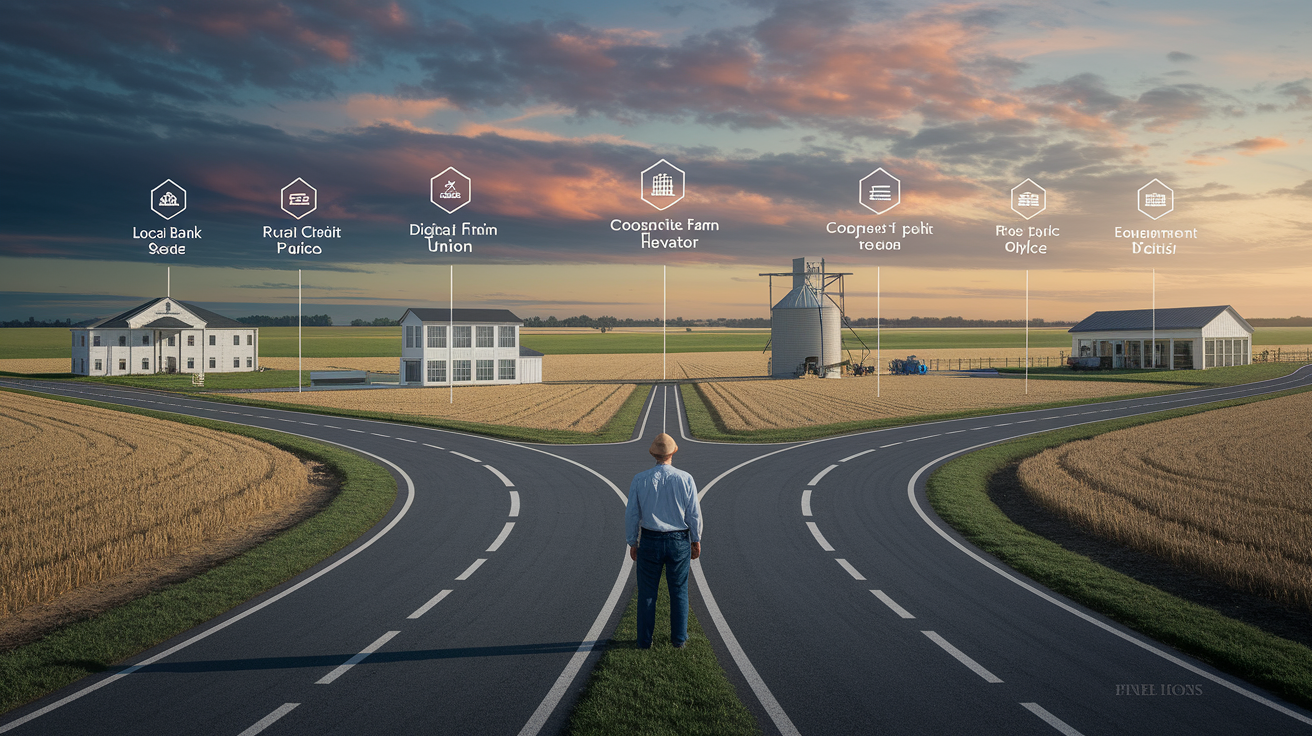
Farm equipment financing comes from multiple lender categories. Each has distinct strengths, costs, and approval criteria. Commercial banks and regional agricultural banks offer competitive rates for established farms with strong credit and revenue. Credit unions, especially those serving rural communities, provide relationship-based lending and flexible underwriting. Online lenders and fintech platforms specialize in fast approval and funding, sometimes within 24 hours, but may charge higher rates or fees.
The Farm Credit System offers cooperative lending with seasonal payment flexibility, whole-farm underwriting, and bundled insurance and education. USDA-backed lenders serve new, small, and socially disadvantaged farmers with government guarantees that reduce lender risk and open access. Manufacturer and dealer captive finance programs (e.g., John Deere Financial, Case IH Credit) offer promotional rates, sometimes 0% to 5% for 12 to 36 months, and streamlined approval tied directly to equipment purchase.
Comparing lenders is essential because small rate differences compound over multi-year terms. A 1% APR difference on a $200,000 loan over 84 months can mean thousands of dollars in total interest. Look beyond rate: compare origination fees (often 0.5% to 3% of principal), prepayment penalties, collateral and insurance requirements, and customer service quality.
What to Compare Across Lenders:
- APR and total interest cost over the full term
- Origination fees, documentation fees, and prepayment penalties
- Loan-to-value ratios, down payment requirements, and residual structures
- Customer service, approval speed, and flexibility for seasonal or delayed payment options
Lease vs. Buy Analysis Within Farm Equipment Financing
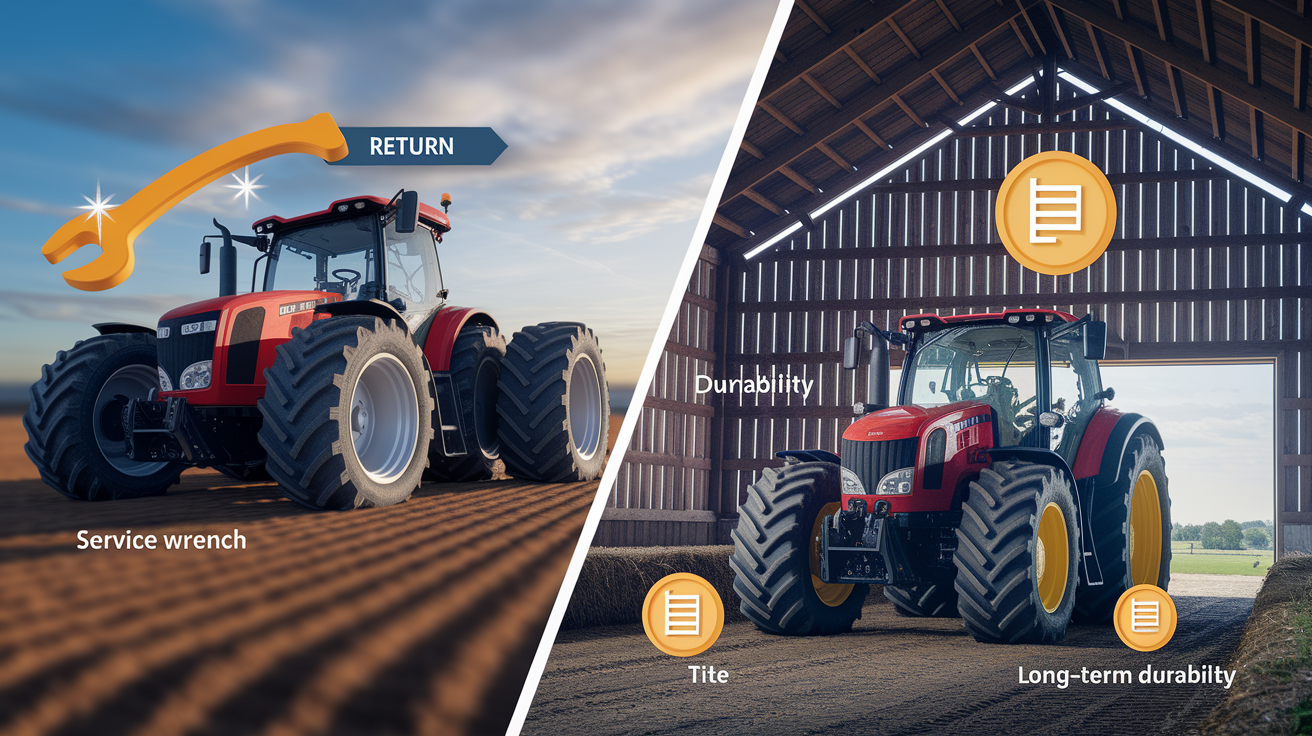
The lease-versus-buy decision depends on equipment use, cash flow, tax goals, and technology change pace. Both structures have clear use cases.
When Leasing Is Better
Leasing suits farms that need short-term equipment access, plan to upgrade frequently, or want to preserve maximum working capital. Operating leases spread cost over 24 to 84 months with no ownership obligation. They’re ideal for specialized equipment used one season or technology that becomes obsolete quickly, like GPS systems or precision ag tools. Monthly lease payments typically run lower than loan payments for the same equipment, improving short-term cash flow. Some leases include maintenance and service, reducing unexpected repair costs. At lease end, you return the equipment or exercise a buyout option at the residual value, often 20% to 40% of original price.
When Buying Is Better
Buying makes sense for long-life equipment used year after year: tractors, combines, planters, and irrigation systems that last a decade or more. Ownership builds equity, allows Section 179 expensing and depreciation deductions, and eliminates ongoing lease obligations. Once the loan is paid, the equipment is yours with no further payments, reducing long-term cost per acre or per hour. Buying also lets you sell or trade equipment when you upgrade, recapturing residual value. For stable, mature operations with predictable revenue, ownership delivers lower total cost and greater control.
Precision agriculture tools and data-driven systems change rapidly. If you need the latest variable-rate planting or autonomous guidance systems, leasing every 3 to 5 years keeps you current without tying up capital or selling outdated equipment at a loss. If the equipment’s productive life exceeds its tech life, leasing is often the better path. If the equipment remains productive and valuable for 10+ years, buying usually wins on total ROI.
Special Farm Equipment Financing Programs for New, Small, and Underserved Farmers

USDA and state agricultural agencies offer targeted financing programs for farmers who face barriers in conventional lending markets. These programs recognize that beginning farmers often lack credit history, collateral, or operating track records, while socially disadvantaged and veteran farmers may face systemic access challenges.
USDA Farm Service Agency (FSA) microloans provide up to $50,000 with simplified applications and relaxed credit requirements, designed for small and beginning farmers. Direct farm ownership and operating loans support new farmers acquiring land or financing annual expenses. Guaranteed loan programs allow participating lenders to issue loans with USDA backing, reducing lender risk and enabling approval for borrowers who don’t meet conventional credit standards. Down payment assistance programs help beginning farmers cover upfront costs on land and equipment purchases.
Common Special-Access Programs:
- USDA FSA microloans (up to $50,000) for small and beginning farmers
- USDA guaranteed equipment loans through participating banks and Farm Credit lenders
- Down payment assistance grants and low-interest loans for beginning farmers
- State-level farm financing programs targeting minority, women, and veteran farmers
- Cost-share and grant programs (often $5,000 to $250,000+) for conservation equipment, precision ag tools, and renewable energy systems
Eligibility criteria vary. Most programs define “beginning farmer” as operating for fewer than 10 years, require attendance at financial management training, and set income or net worth caps. Approval timelines are longer than conventional loans, often 30 to 90 days, due to additional documentation and compliance requirements. The tradeoff is access to capital that wouldn’t otherwise be available.
Case Studies Illustrating Real Farm Equipment Financing Scenarios
New Farmer Tractor Purchase Example
A beginning corn and soybean farmer in Iowa needs a mid-size utility tractor priced at $85,000. She qualifies for a USDA-guaranteed loan through her local Farm Credit lender. With a 15% down payment ($12,750), she finances $72,250 at 5.5% APR over 60 months. Monthly payments are approximately $1,375. Total interest paid over the life of the loan is roughly $10,250. The tractor allows her to plant and harvest 320 acres without hiring custom operators, saving an estimated $18,000 annually in contract costs. Cash flow timing works because loan payments are monthly, matching her off-farm income, and the farm generates seasonal revenue that covers operating expenses and builds a reserve.
Mid-Size Operation Combine Loan Example
A 1,200-acre grain farm in Kansas purchases a used combine for $250,000. The farmer makes a 20% down payment ($50,000) and finances $200,000 through a regional agricultural bank at 6.5% APR over 84 months (7 years). Monthly payments are approximately $2,970. Total interest over the loan term is about $48,000 to $55,000, depending on exact amortization and any prepayments. The combine replaces two older machines and increases harvest efficiency by 25%, allowing the farm to complete harvest 10 days faster and reduce grain-drying costs. The farmer negotiates a seasonal payment structure: higher payments in November and December after grain sales, lower payments January through August. This keeps cash flow positive during the growing season.
Lease vs. Buy Sprayer Comparison
A vegetable farm in California evaluates financing a $100,000 self-propelled sprayer. Option A: Finance lease over 36 months at an effective rate of 4%, with a 30% residual ($30,000). Monthly payments are approximately $2,100, and total lease cost (payments plus buyout) is roughly $105,600. Option B: Purchase with a bank loan at 6% APR over 60 months, 10% down ($10,000), financing $90,000. Monthly payments are approximately $1,740, and total cost (down payment plus all payments) is about $114,400. The lease saves $8,800 in total cost if the farmer buys out at residual, but ties her to a 3-year commitment. The loan costs more but builds equity faster and offers flexibility to sell or trade after 3 years at higher residual value. The farmer chooses the lease because she plans to upgrade to a larger sprayer in 4 years and wants to minimize monthly cash outflow during expansion.
Numbers drive financing decisions. Small differences in rate, term, down payment, or residual structure change monthly cash flow, total cost, and long-term flexibility. Running scenarios with real figures (using amortization calculators and lease cost worksheets) clarifies which structure fits your farm’s revenue pattern, growth plan, and risk tolerance.
Tools and Calculators to Support Farm Equipment Financing Decisions
Before applying, farmers should model payments, total cost, and cash flow impact using simple online tools. Equipment loan amortization calculators show monthly payment, total interest, and payoff schedule for any loan amount, APR, and term. Input multiple scenarios: 5 years vs. 7 years, 0% down vs. 20% down. See how term length and down payment affect monthly cash flow and lifetime cost.
Lease-versus-buy calculators compare total cost of leasing (monthly payments plus buyout) against total cost of purchasing (down payment, loan payments, interest). They can include tax effects: Section 179 deductions for purchases, operating expense deductions for lease payments, and residual value assumptions. DSCR calculators help farmers project whether a financing payment fits within safe debt-service ratios, using expected revenue, existing debt obligations, and proposed new payment.
Recommended Tools:
- Equipment loan amortization calculator to model payment schedules and total interest
- Lease vs. buy calculator with tax and residual inputs
- Debt-service coverage ratio (DSCR) calculator to test repayment capacity
- Downloadable application document checklist to organize financials before applying
Organized preparation speeds approval, improves negotiating position, and prevents surprises. Use these tools to set realistic budgets, compare lender offers on equal footing, and confirm that monthly payments align with your farm’s actual cash flow cycle.
Frequently Asked Questions About Farm Equipment Financing
Can I finance used farm equipment?
Yes. Most lenders and leasing companies finance used machinery. Rates and terms may differ. Used equipment often requires larger down payments and shorter terms, but financing used equipment is common and can lower upfront cost significantly.
What credit score do I need to qualify for farm equipment financing?
Minimum scores vary by lender. Conventional banks typically prefer 650 or higher. USDA-backed programs and some online lenders may approve scores in the 550 to 600 range, though rates and down payments will be higher. Check your score before applying and shop lenders that fit your profile.
Are seasonal or delayed payment options available?
Yes. Many agricultural lenders offer annual, semiannual, or quarterly payment schedules aligned with harvest or sales cycles. Some programs allow delayed first payments (up to 15 months), giving farmers time to plant, grow, and sell before repayment begins. Ask lenders about flexible repayment structures during pre-qualification.
Is the interest I pay on a farm equipment loan tax-deductible?
Often, yes. Farms with three years’ average annual gross receipts under $30 million typically qualify to deduct equipment loan interest. Section 179 and bonus depreciation may also apply to purchased equipment. Consult a CPA or tax attorney for your specific situation and current limits.
What documents do I need to apply for farm equipment financing?
Lenders typically require 2 to 3 years of business and personal tax returns, year-to-date profit-and-loss statement, balance sheet, business and personal bank statements, farm production history, equipment invoice or quote, proof of insurance, current leases and contracts, business plan, and a list of existing creditors.
Will applying for financing hurt my credit score?
Pre-qualification with a soft credit pull doesn’t affect your score. Once you submit a formal application, lenders perform a hard credit inquiry, which can lower your score by a few points temporarily. Multiple hard pulls within a short window (14 to 45 days, depending on scoring model) are often treated as a single inquiry when rate-shopping.
Can I finance equipment through the dealer or manufacturer?
Yes. Many equipment manufacturers (John Deere, Case IH, New Holland, Kubota) offer captive finance programs with promotional rates, sometimes 0% to 5% for 12 to 36 months, and streamlined approval. Dealer financing can be fast and convenient, but always compare dealer offers against bank, credit union, and Farm Credit rates to ensure you’re getting the best total cost.
Final Words
Need a tractor, combine, or seasonal cash? We ran through loan types, leases, USDA and dealer programs, plus who to talk to and typical terms.
You also saw qualification steps, seasonal payment options, tax basics, tools to model costs, and real examples that show the math.
Decide what fits your cash coming in and going out, gather bank statements, and run the numbers. Farm equipment financing, done with the right fit, can boost productivity and keep your cash flow steady.
FAQ
Q: Can I get a loan for farm equipment?
A: You can get a loan for farm equipment. Banks, USDA programs, dealers, and online lenders offer loans or leases; equipment often serves as collateral, and used machines can be financed with basic documents.
Q: What credit score is needed to finance a tractor?
A: The credit score needed to finance a tractor typically ranges from about 600 to 700. Less-stringent USDA or dealer programs may accept lower scores if you have steady revenue, a down payment, or collateral.
Q: What credit score is needed for equipment financing?
A: The credit score needed for equipment financing usually starts around 600, with 680+ earning better rates. Some lenders accept scores in the 500s if you show strong cash coming in, time in business, or a large down payment.
Q: How hard is it to get equipment financing?
A: Getting equipment financing is generally straightforward if you have steady revenue, decent credit, and organized financials. It’s harder for new operations or low cash flow, but leases, USDA, and dealer programs can help.