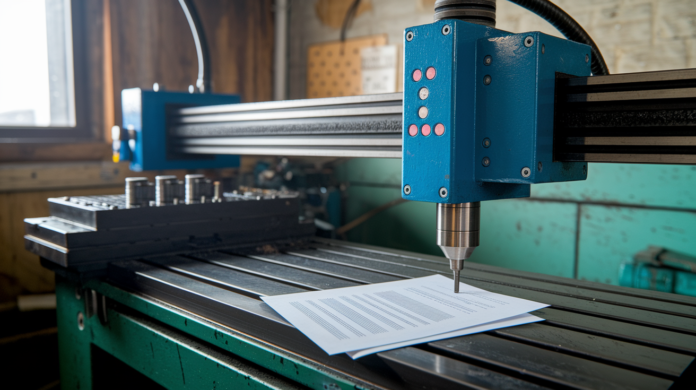

Think your low credit rules you out of buying a CNC machine? Not necessarily.
The machine itself backs the deal, so many lenders will approve buyers with limited credit if you can show steady deposits, a solid equipment quote with serial numbers, and a reasonable down payment.
This post lays out exactly what they look for, fast wins like 3 to 6 months of bank statements, the lender types that accept scores in the 550 to 620 range, and the documents and steps to close fast.
Read on to move from quote to machine without waiting months.
Core Requirements to Qualify for CNC Machine Financing With Limited Credit
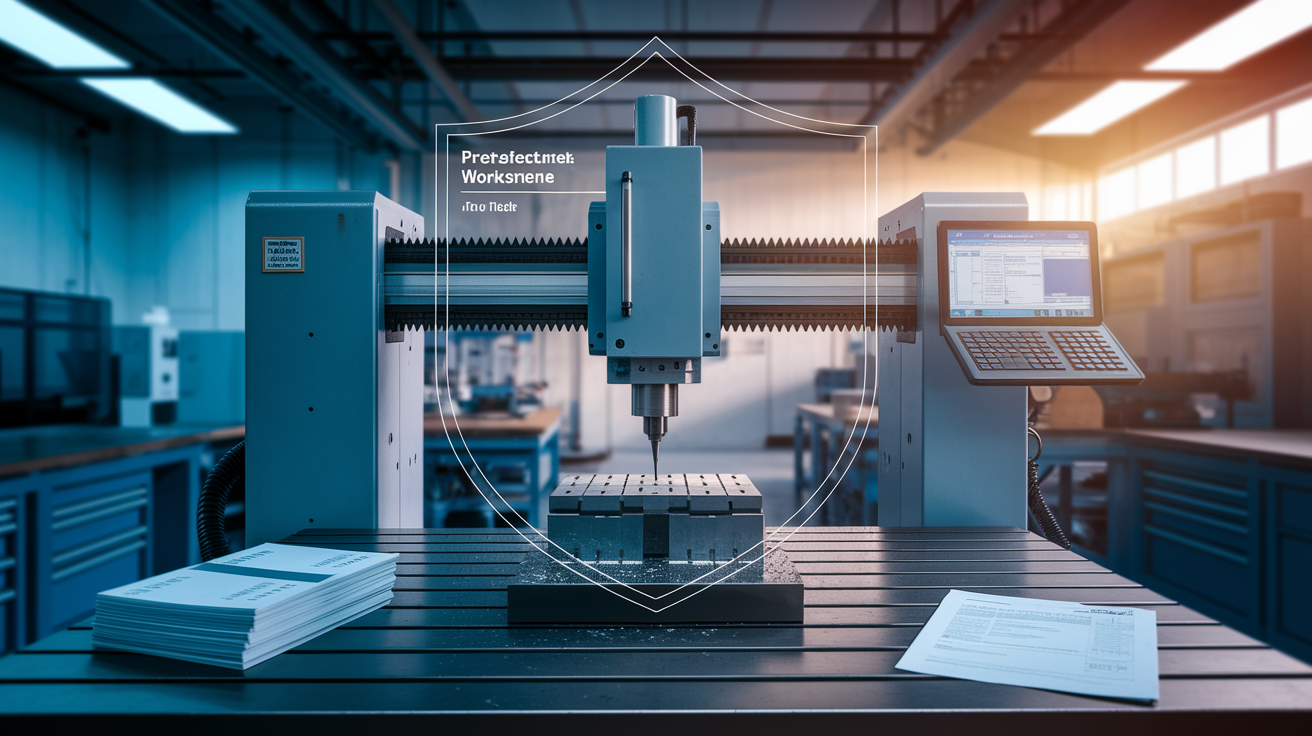
CNC machine financing is easier to get than most unsecured loans because the equipment itself backs the deal. If you stop paying, lenders can take the machine back and sell it. That lowers their exposure and opens approvals to borrowers with weaker credit. Even if your personal or business credit isn’t great, you can still qualify if you’re bringing in consistent revenue, you’ve been operating for a while, and you have a solid equipment quote. Lenders want to see money coming in every month and a machine that holds value.
Traditional banks usually want a 650 personal credit score at minimum, often higher for business credit. Below that, you’re looking at alternative lenders and equipment finance shops. Plenty of them will approve deals at 550 to 620 if you can show 3 to 6 months of bank statements with stable deposits, a detailed equipment quote that includes serial numbers and fair market value, and a reasonable down payment. That documentation proves you can handle the payments and gives them a clear asset to recover if things go south.
Alternative lenders work fast. Banks might take weeks. Online equipment financiers and specialized shops often give you a decision in 24 to 48 hours and fund within a day or two after you sign. They care more about collateral and cash flow than credit reports, so once you hand over the right documents, approvals move quickly. You’ll usually pay higher interest, but for a limited credit buyer who needs the machine running this month, that speed and flexibility matter.
Core minimum requirements lenders expect before approving limited credit CNC financing:
- 3 to 6 months of business bank statements showing regular deposits
- Detailed equipment quote including make, model, serial number, and total cost
- 10% to 30% down payment in most cases (higher down payments improve approval and lower rates)
- Proof of monthly revenue that supports repayment (P&L or deposit history)
- Acceptable credit range of 550 to 680 depending on lender type and other factors
Lender Criteria for CNC Machine Financing When Credit Is Limited

Lenders look at more than your credit score when they can repossess the asset. Equipment finance companies and alternative lenders dig into cash flow, equipment resale value, time in business, and how you explain past credit problems. If your score is 580 but you’ve been in business 18 months, you’re averaging $40,000 a month in deposits, and you want to finance a $60,000 CNC mill with a strong secondary market, many lenders will approve that. They know the machine can be sold if needed, and they see enough revenue to cover monthly payments.
Traditional banks weigh credit history heavily and run lengthy underwriting that favors borrowers with clean reports and established business credit. Alternative lenders flip that. They start with cash flow and collateral, then use credit as one piece of the puzzle. CNC machines have strong resale markets, especially popular brands and well maintained industrial models, so lenders treat them as reliable security. That makes approval easier for limited credit buyers than it would be for unsecured working capital or soft assets.
Lenders weigh these four factors alongside credit score:
- Cash flow: consistent monthly revenue demonstrated through bank statements
- Collateral value: resale market strength and condition of the CNC equipment being financed
- Industry experience: proof the borrower knows how to operate and maintain the machine profitably
- Time in business: at least 6 to 12 months of trading history improves approval odds materially
How Different Lender Types Weigh Limited Credit
Banks and credit unions prioritize credit scores, business history, and formal financial statements. If your score sits below 680 and your business is under two years old, expect slow decisions and frequent rejections from traditional banks. Credit unions can be a bit more flexible, especially if you already have accounts or loans with them, but they still lean on credit history and collateral coverage ratios.
Equipment finance companies and online alternative lenders reverse the formula. They start with the machine’s value and your revenue pattern, then layer in credit as a secondary risk measure. That lets them approve deals at 550 to 620 as long as the collateral is strong and payments fit inside monthly deposits.
Vendor and dealer finance programs often sit in the middle, underwriting faster than banks but still checking credit. They may accept weaker scores because they earn margin on both the equipment sale and the financing, and they know the machine’s true market value better than outside lenders.
Financing Options for CNC Buyers With Low or Limited Credit

The financing option you pick directly affects your approval odds and total cost. Some paths lean on collateral and cash flow, making them easier to qualify for with limited credit. Others require stronger credit and more documentation but offer lower rates and longer terms. Matching your profile to the right product speeds approval and cuts down on rejection friction.
Equipment Loans and Asset Backed Financing
Equipment loans use the CNC machine as collateral, so lenders approve lower credit borrowers because they hold a lien on an asset with clear resale value. You own the machine from day one and make monthly principal and interest payments over a fixed term. Asset based lenders focus heavily on the machine’s specifications, condition, and market value, often requiring detailed quotes and serial numbers to confirm collateral strength. If your credit sits between 550 and 650, expect to bring a larger down payment (often 20% to 40%) and accept shorter terms (24 to 36 months) with higher interest. But approval is realistic if revenue supports the payment.
Leasing and Lease to Own for CNC Machines
Leasing is often the easiest path for limited credit buyers because the lender keeps ownership of the equipment throughout the lease term. That lowers their risk and widens approval. You make fixed monthly payments and can often buy the machine at the end for a predetermined residual or a nominal buyout. Lease to own structures blend rental and purchase, letting you build payment history before taking ownership.
Approval thresholds are lower than loans, down payments can be smaller or even zero, and lease payments may qualify as operating expenses rather than debt. The trade off is total cost over the lease term often exceeds a straight purchase, and early termination can trigger penalties.
Vendor and Dealer Financing Programs
Manufacturers and dealers sometimes offer in house financing or partnerships with captive lenders. These programs are tailored to the equipment being sold, so underwriting is faster and approvals can be more flexible than traditional banks. Vendor finance teams understand the machine’s value intimately and may accept weaker credit if you’re buying a high demand model with strong resale.
Rates are typically higher than bank loans, but the speed and convenience can be worth it. Some dealers also accept trade ins or package financing with service contracts, spreading cost and reducing upfront cash needs.
SBA Microloans and Government Backed Options
SBA microloans and 7(a) loans offer lower interest rates and longer terms but require stricter credit, more documentation, and longer processing times. Most SBA programs prefer credit scores above 680 and want to see tax returns, business plans, and collateral schedules. If your credit is limited and you need the machine soon, SBA routes are usually too slow and too strict. They work better for borrowers who can spend 60 to 90 days on paperwork and have credit that can be polished to meet SBA minimums. For truly limited credit scenarios, equipment loans and leasing move faster and approve more reliably.
| Option | Credit Flexibility | Down Payment | Term Length |
|---|---|---|---|
| Equipment Loan | Moderate (550–680 accepted) | 10%–40% | 24–60 months |
| Leasing | High (easiest approval) | 0%–20% | 24–84 months |
| Vendor Financing | Moderate to High | 10%–30% | 24–48 months |
| SBA Microloan | Low (680+ preferred) | 10%–20% | Up to 84 months |
Documentation Checklist for CNC Machine Loan Applications
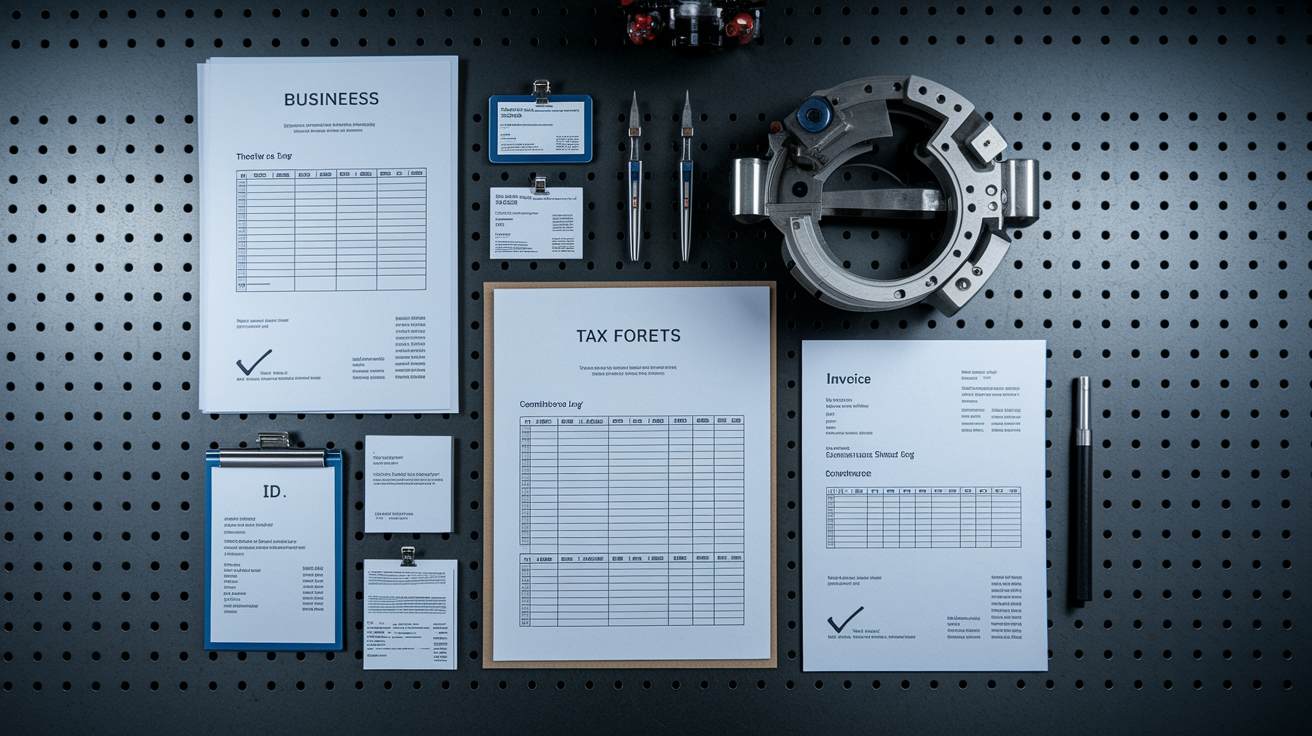
Lenders need specific documents to verify cash flow, confirm the machine’s value, and assess risk. Missing or incomplete documentation is the number one cause of approval delays or outright rejections. Equipment financiers want to see that you generate enough revenue to cover payments, that the CNC machine is real and priced fairly, and that you’re a legitimate business with a track record. Each document serves a specific underwriting purpose, so submitting everything upfront speeds decisions and improves approval odds.
Bank statements show your revenue pattern and prove you can handle monthly payments. Tax returns and profit and loss statements confirm business stability over time. The equipment quote with make, model, serial number, and fair market value lets the lender appraise the collateral and set loan to value ratios. Business licenses and identity documents verify you’re authorized to operate and prevent fraud.
If your credit has blemishes, a short written explanation with context (temporary revenue dip, medical issue, startup learning curve) helps underwriters see past the score and focus on current cash flow and collateral strength.
Required documents for CNC machine financing applications with limited credit:
- 3 to 6 months of business bank statements showing consistent deposits
- 1 to 2 years of business tax returns (and personal returns if you’re providing a personal guarantee)
- Current profit and loss statement and balance sheet
- Detailed equipment quote or invoice including make, model, serial number, and total cost
- Serial numbers, specifications, and maintenance logs if buying used equipment
- Business formation documents, licenses, and owner identification (driver’s license, SSN)
- Brief written explanation of any past credit issues or derogatory marks
Using Down Payments, Collateral, and Co Signers to Improve Approval Odds
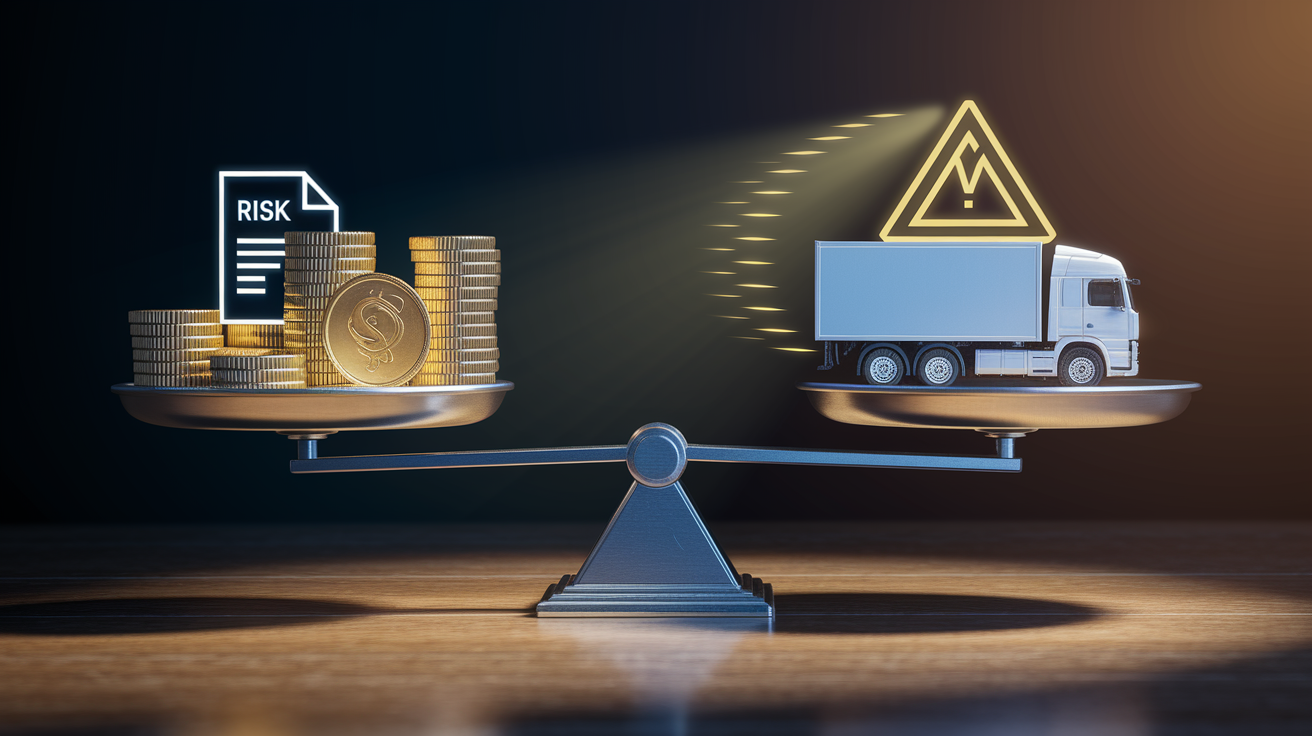
A larger down payment directly reduces lender risk and opens approvals that would otherwise be declined. When you put 20% to 40% down on a CNC machine, the lender’s loan to value ratio drops and their collateral cushion grows. If you default, they can repossess and sell the machine without taking a loss. That math makes them willing to approve deals at lower credit scores and offer better interest rates. Even a 10% down payment can shift a marginal application into approval, especially if you pair it with strong bank statements and a clean equipment quote.
Offering additional collateral beyond the CNC machine itself strengthens weak credit applications. Lenders will often accept liens on other machinery, vehicles, inventory, or accounts receivable to secure the loan. If you own a truck, a lathe, or another piece of paid off equipment, pledging it as secondary collateral reduces lender exposure and can lower your rate or extend your term. The key is that the collateral must have verifiable resale value and clear title.
Personal guarantees are standard for small business equipment loans, so expect the lender to pull your personal credit and hold you liable if the business can’t pay.
Adding a co signer with stronger credit materially improves approval odds and cost. If a partner, family member, or investor with a 700+ score is willing to guarantee the loan, lenders treat the application as lower risk and price it accordingly. The co signer becomes fully liable for the debt if you default, so this requires trust and clear agreements. It’s especially useful if your business revenue is strong but your personal credit took hits from past issues unrelated to the current operation. The lender sees stable cash flow backed by a creditworthy guarantor and approves the deal.
Typical Rates, Terms, and Payment Structures for Limited Credit CNC Financing

Interest rates for limited credit CNC financing typically range from 8% to 36% APR, depending on your credit score, down payment, collateral strength, and the lender type. Borrowers in the 650 to 680 range with solid revenue and 20% down might land in the 8% to 15% zone with equipment finance specialists. Scores below 600 with minimal down payment often push rates into the 20% to 36% range, especially with subprime or merchant cash advance structures. The rate reflects the lender’s risk, and limited credit signals higher risk unless you offset it with collateral, down payment, or revenue proof.
Term lengths generally run 24 to 60 months for equipment loans, with subprime deals often clustering around 24 to 36 months. Shorter terms mean higher monthly payments but lower total interest paid over the life of the loan. Leases can stretch to 84 months, reducing monthly obligations but increasing total cost. If your cash flow is tight, longer terms ease the monthly burden, but always calculate total payback to understand the real cost.
Payment structures are usually fixed monthly installments, though some lenders offer seasonal or flexible schedules if your revenue fluctuates. Auto debit from your business checking is standard and sometimes required for approval.
| Credit Tier | Typical APR | Term Range | Down Payment Expectation |
|---|---|---|---|
| 680+ (Good Credit) | 5%–12% | 36–60 months | 0%–15% |
| 620–679 (Fair Credit) | 10%–18% | 24–48 months | 10%–25% |
| 550–619 (Limited Credit) | 15%–30% | 24–36 months | 20%–40% |
| Below 550 (Subprime) | 25%–36%+ | 12–24 months | 30%–50% |
Step by Step Process to Apply for CNC Machine Financing With Weak Credit
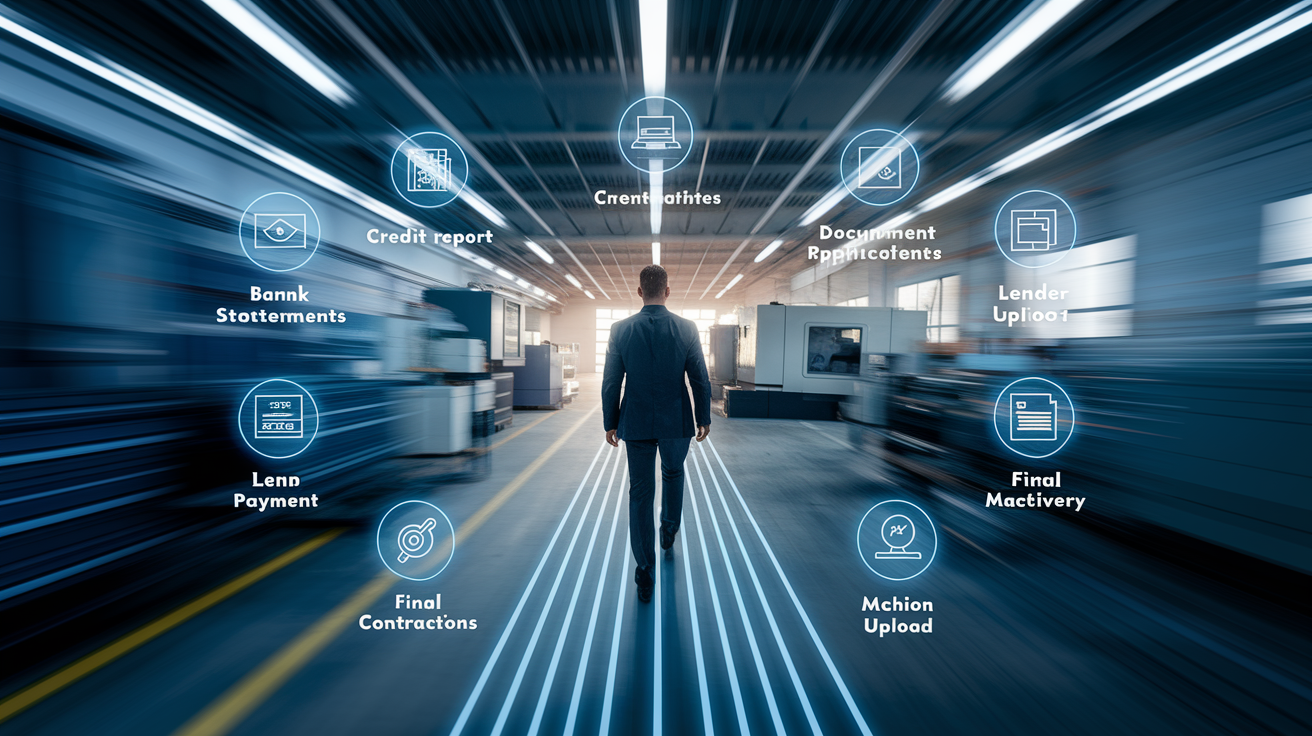
-
Pull your personal and business credit reports and review them for errors. Dispute any inaccuracies immediately because even small corrections can bump your score enough to improve your tier. Know your score before you apply so you can target appropriate lenders and set realistic expectations.
-
Gather 3 to 6 months of business bank statements and calculate your average monthly deposits. Lenders use this to verify revenue and assess repayment capacity. Clean, consistent deposits strengthen your application, so if possible, wait until you have a stable revenue pattern before applying.
-
Obtain a detailed equipment quote with make, model, year, serial number, condition, and total cost. Include any available appraisals or fair market value estimates. The more specific the quote, the faster the lender can appraise collateral and set loan to value ratios.
-
Decide on a realistic down payment amount and confirm you have the cash available. Even 10% to 15% can shift approval odds, and 20% to 30% materially improves rates and terms. Set aside the down payment in your business account so the lender sees it in your bank statements.
-
Apply to multiple lenders online, starting with equipment finance specialists and alternative lenders that advertise flexible credit requirements. Many platforms offer soft credit pulls for pre qualification, which won’t hurt your score. Compare offers on total cost, term, monthly payment, and fees before committing.
-
Submit all requested documentation promptly and respond to lender questions the same day. Speed matters because lenders often issue approvals within 24 to 48 hours if paperwork is complete. Delays on your end push decisions back and can cause interest rate locks to expire.
-
Review the final contract for total repayment amount, APR, prepayment penalties, default terms, and maintenance responsibilities. Sign only after you’ve calculated the full cost and confirmed the monthly payment fits your cash flow. Arrange insurance and delivery, then make your first payment on time to start building positive payment history.
Common errors that delay or block approval include submitting incomplete bank statements (missing pages or accounts), providing generic equipment descriptions without serial numbers, inflating revenue figures that don’t match deposits, failing to explain past credit issues, and applying to lenders whose minimum requirements you don’t meet. Double check every document before upload, and be transparent about your financial situation. Lenders respect honesty and can often work around issues if you present them clearly upfront.
Short Term Credit Improvement Actions That Lenders Respect
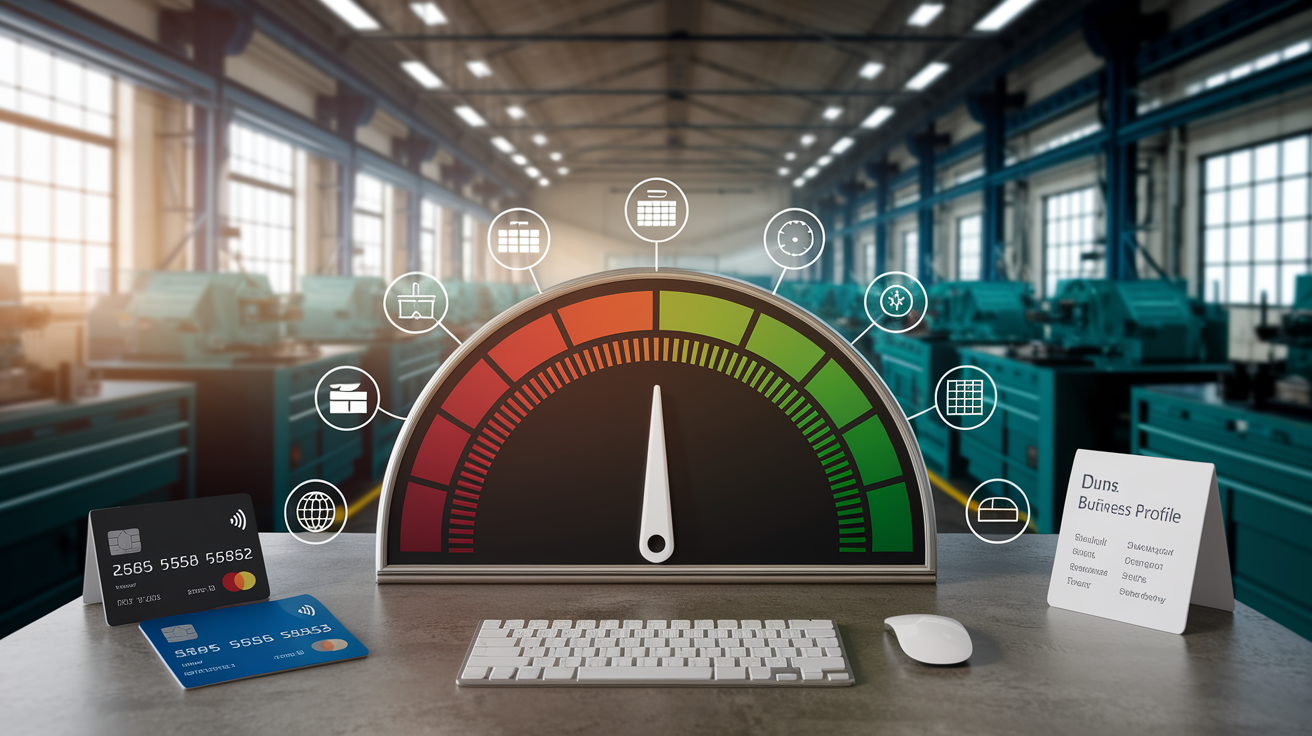
Pay down revolving credit balances below 30% of your limits within the next billing cycle. Credit utilization is one of the fastest moving score factors, and dropping from 80% to 25% can lift your score 20 to 40 points in 30 days. Lenders see that shift as a sign you’re managing cash better and reducing risk. If you have access to extra cash or can delay other purchases, paying down cards before applying for equipment financing materially improves your approval tier and rate.
Establish a DUNS number through Dun & Bradstreet and open trade accounts with suppliers that report payment history to business credit bureaus. Net 30 accounts with office suppliers, fuel cards, and equipment vendors build business credit separate from your personal score. After 60 to 90 days of on time payments, those accounts begin appearing on your business credit report and strengthen your profile. Lenders who pull business credit see a track record of meeting obligations, which offsets weak personal credit. You can also apply for a secured business credit card, make small purchases, and pay in full each month to build positive history quickly.
Six actions you can take in 30 to 60 days to improve CNC financing approval odds:
- Pay down revolving balances to under 30% utilization on all credit cards and lines of credit
- Dispute inaccuracies on personal and business credit reports and request deletions of errors
- Obtain a DUNS number and register your business with Dun & Bradstreet
- Open 2 to 3 trade accounts with suppliers that report to business credit bureaus and make on time payments
- Apply for a secured business credit card, use it lightly, and pay the full balance every month
- Set up automatic payments on existing debts to ensure no late payments during the application period
Final Words
Put together strong bank statements, a clear equipment quote, and a down payment. That’s the fastest way to move an application. Use the machine as collateral and show steady deposits to make up for shaky credit.
Shop lenders who underwrite on cash flow. Leasing, vendor finance, and online equipment lenders move faster than banks. Follow the checklist, expect higher costs with subprime, and have docs ready for a 24 to 48 hour decision.
If you follow these steps, how to qualify for CNC machine financing with limited credit becomes practical and doable. You’ll be ready to apply with confidence.
FAQ
Q: What credit score is needed for equipment financing? What credit score do you need to get a $30,000 loan?
A: The credit score needed for equipment financing or a $30,000 loan varies: traditional banks prefer about 650+, while alternative lenders may approve 550–620 with steady revenue, 3–6 months bank statements, and a down payment.
Q: Can I get an SBA loan with a 500 credit score?
A: You can rarely get an SBA loan with a 500 credit score: SBA lenders typically want 650+ and solid business history. Consider microloans, alternative lenders, or improving score and cash flow first.
Q: How hard is it to get a $1,000,000 business loan?
A: Getting a $1,000,000 business loan is difficult: lenders expect multiple years of profit, strong cash flow, high owner or business credit, and collateral. Community banks or asset-based lenders may consider well-documented borrowers.