

Think the SBA backs every small business loan? Think again.
The SBA writes the rulebook, but lenders are the ones who say yes or no.
If your business or ownership setup fails the basics, you never get past the first check.
This post lays out the non-negotiable SBA 7(a) eligibility requirements, what you must have in place for location, ownership, finances, and character to reach underwriting.
Read this checklist so you don’t waste time or surprise yourself later.
Core Eligibility Requirements for SBA 7(a) Loans

Qualifying for an SBA 7(a) loan comes down to meeting a pretty specific set of requirements that apply to just about everyone who applies. Here’s the thing: the SBA doesn’t actually approve or deny your loan. Lenders do that. But the SBA creates the framework lenders have to follow. If your business or ownership setup doesn’t meet these baseline standards, you’re not moving forward.
These are entry criteria. Non-negotiable. They’re the checklist that determines whether you even belong in the 7(a) program. Clear these, and you get to the underwriting stage where lenders start digging into your financials, collateral, and whether you can actually pay them back.
Here’s what every SBA 7(a) applicant needs to satisfy:
For-profit status. You’ve got to be operating to make money. Nonprofits don’t qualify, even if they’re bringing in revenue, unless you’re working through a for-profit subsidiary.
U.S. location and operation. Your business needs to be physically located and operating mainly in the U.S. or a U.S. territory.
SBA size standards. You can’t be too big. The SBA has size limits that vary by industry, based on either employee count or average annual receipts.
Owner citizenship or residency. All owners must be U.S. citizens, U.S. nationals, or lawful permanent residents living primarily in the U.S. or U.S. territories.
Good character and no criminal disqualifications. If you’re on probation, parole, or locked up, you’re out. Crimes involving fraud or financial misconduct create serious problems.
No unresolved federal debt. You can’t have defaulted student loans, unpaid IRS bills, or old SBA loan defaults hanging over your head unless they’ve been cleared up.
Equity investment. The SBA expects you to put your own cash into the deal. Typical injections run anywhere from 10% to 30%, depending on what you’re using the loan for.
Demonstrated repayment ability. Lenders need to see cash flow, or at least projected cash flow, that’s strong enough to cover all your debt, including this new loan.
Exhausted alternative financing. You’ve got to show that you can’t get comparable financing somewhere else on reasonable terms. They call this the “credit elsewhere” test.
Permissible industry. Your business can’t be in a prohibited category. Lending, speculative investing, pyramid schemes, passive real estate… those don’t fly.
Business Criteria: Operational, Size, and Industry Requirements

The SBA looks at your business on three levels. How big you are, what you do, and how you operate. Size matters because this program exists to serve small businesses, not mid-market or big companies. What you do matters because some industries are flat-out excluded. How you operate matters because passive businesses and speculative plays don’t fit what the SBA’s trying to accomplish.
Size gets measured using NAICS codes, which just categorize businesses by industry. Each code has a size standard. Either a cap on employees or a limit on average annual receipts over the last three years. Most manufacturing businesses qualify if they’ve got fewer than 500 employees. Lots of service and retail operations qualify if their average annual revenue stays below a certain threshold, often somewhere between $7.5 million and $41.5 million depending on the sector. If you’re over the size standard for your NAICS code, you’re done, even if your credit and cash flow look great.
Industry restrictions are firm. The SBA won’t back loans for businesses that mostly lend money, invest in securities, broker financial products, or run life insurance operations. Passive real estate ventures, like buying property just to hold and lease without actively managing anything, don’t qualify either. Real estate works only when it’s owner-occupied or directly supports an active business. Speculative activities, gambling, pyramid or multi-level marketing… those are all out. Same with nonprofits, unless you’re structuring things through a for-profit subsidiary that meets every other rule.
Major disqualifying business categories include:
Lending institutions, investment firms, and money-service businesses
Passive real estate holding or speculative property investment
Gambling, casinos, online betting platforms
Pyramid sales plans and multi-level marketing setups
Businesses involved in illegal activities or lobbying
Nonprofit organizations, unless you’re working through a for-profit entity
Borrower and Ownership Requirements
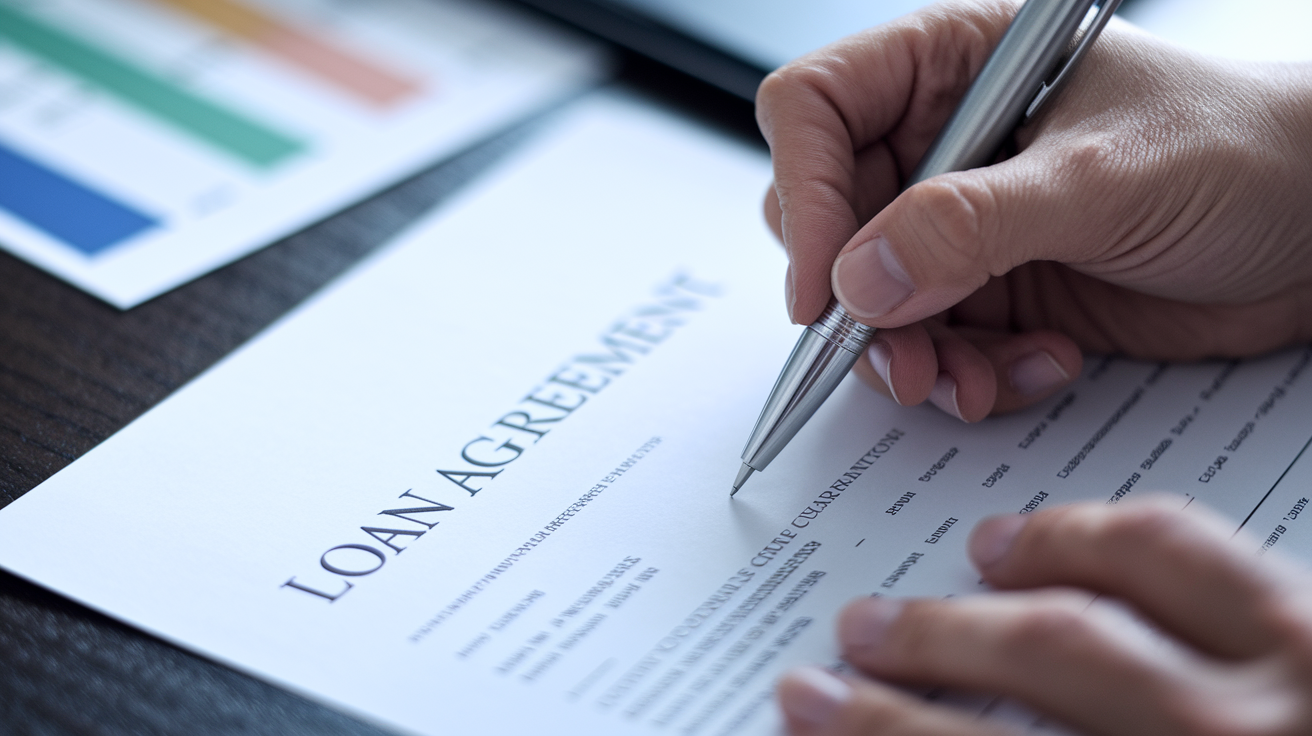
SBA eligibility doesn’t stop with the business. The SBA also evaluates the people who own and run the company. If you hold 20% or more, you’re signing a personal guarantee. That’s not optional. You’re personally liable if the business defaults. It’s how the SBA protects the taxpayer-backed guarantee and makes sure owners have real skin in the game.
Owners with 20% or more need to provide personal financial statements, usually on SBA Form 413. Those statements give lenders the full picture of your assets, liabilities, net worth. They’ll pull your personal credit report. They’ll run your name through CAIVRS, the Credit Alert Verification Reporting System. CAIVRS flags anyone with unresolved federal debt. Defaulted student loans, delinquent child support, old SBA loan defaults. If you’re flagged, your application stalls until you sort it out.
Character counts too. The SBA won’t approve loans for owners who are currently locked up, on probation, or on parole. Pending criminal charges can delay things or knock you out completely. Crimes involving fraud, embezzlement, or financial misconduct are especially problematic because they speak directly to whether you can be trusted with money. Even if charges got dismissed or records were expunged, lenders might still ask for documentation and explanations.
Financial Eligibility and Ability to Repay

Lenders don’t just check whether your business meets SBA eligibility rules. They want to know if you can actually pay the loan back. That evaluation centers on cash flow, revenue history, and something called the debt-service-coverage ratio, or DSCR. DSCR measures how much cash your business generates compared to all your debt obligations, including the new SBA loan. Most lenders want to see a DSCR of at least 1.25. That means your business generates $1.25 in cash flow for every $1.00 of debt payments. Lower ratios suggest tight margins and higher risk.
Lenders will dig into your profit and loss statements, balance sheets, tax returns to assess profitability trends. They’re looking for consistency. If your revenue bounces around unpredictably, or if your net income swings from profit to loss, lenders get nervous. They want to see that your business can handle the loan payment even if revenue dips a little or expenses creep up. Startups face extra scrutiny here because they don’t have operating history to lean on. If you’re a startup, you’ll need strong projections, relevant industry experience, and a solid business plan to make up for the lack of historical financials.
Lenders typically review this stuff to assess repayment ability:
Business tax returns for the last two to three years
Year-end profit and loss statements and balance sheets for the last two to three years
Year-to-date interim financial statements dated within 120 days of application
Personal tax returns for all owners with 20% or greater ownership
A debt schedule showing all current obligations, payments, rates, balances
Common Disqualifiers and Red Flags

Most SBA 7(a) applications that fail don’t fail because the business is ineligible. They fail because the business or the owner doesn’t meet the lender’s underwriting standards. Poor credit is one of the biggest obstacles. The SBA doesn’t set a minimum credit score, but lenders do. Most won’t approve loans for borrowers with personal FICO scores below 640, and plenty of them prefer scores in the 680 to 700 range or higher. Late payments, charge-offs, collections, recent bankruptcies… all of that hurts your chances.
Insufficient cash flow is another major red flag. If your DSCR is below 1.0, or even below 1.15, lenders will assume you can’t handle the additional debt load. That’s true even if your credit is good and your collateral is strong. Cash flow is king in SBA underwriting. If the numbers don’t show reliable, recurring income that covers all obligations with room to spare, the deal won’t close.
Other common disqualifiers:
Operating in a prohibited industry or trying to use funds for an ineligible purpose
Failing to provide a sufficient equity injection, typically 10% to 30% of the project cost
Unresolved federal loan defaults or delinquent taxes showing up in CAIVRS
Incomplete or inconsistent documentation, missing tax returns, unsigned personal financial statements
Inability to demonstrate that alternative financing was explored and declined
Owners unwilling to sign personal guarantees or lacking the net worth to support them
Required Documentation for SBA 7(a) Loan Applications

Applying for an SBA 7(a) loan means gathering a lot of paperwork. Lenders and the SBA need documentation that proves your business is eligible, that it can repay the loan, and that the loan will get used for an allowable purpose. The documentation list is long, but it’s not random. Each piece gives the lender a different angle on your business, your finances, your ability to manage debt.
Start with the SBA-specific forms. SBA Form 1919, the Borrower Information Form, is required for all 7(a) applications. It collects basic details about your business, ownership structure, loan request. SBA Form 413, the Personal Financial Statement, is required for every owner with 20% or greater ownership. That form lists your assets, liabilities, income, expenses outside the business. Lenders use it to assess whether you’ve got the personal resources to support the business if cash flow tightens.
Beyond the SBA forms, you’ll need a full set of business financials. Tax returns for the last two to three years, year-end profit and loss statements and balance sheets for the same period, and a current interim P&L and balance sheet dated within 120 days of submission. If you’re a startup, you won’t have historical financials, but you will need detailed projections. Month-by-month cash flow forecasts for at least 12 months, sometimes longer.
Core documentation checklist most lenders require:
SBA Form 1919 (Borrower Information Form)
SBA Form 413 (Personal Financial Statement) for all owners with 20% or more ownership
Business tax returns for the last two to three years
Year-end financial statements (P&L and balance sheet) for the last two to three years
Year-to-date interim P&L and balance sheet
A complete debt schedule showing all existing loans, terms, payment amounts
Business plan with detailed use-of-funds narrative
Projected monthly cash flow statements for at least 12 months (startups and acquisitions often need 24 to 36 months)
Example Scenarios: Who Qualifies and Who Doesn’t

Let’s look at a service business that qualifies. A digital marketing agency’s been operating for four years, generates $1.2 million in annual revenue, employs 12 people. The two owners each hold 50% equity. Both owners have personal credit scores above 700, no federal debt issues, clean financial backgrounds. The business is profitable, with a DSCR of 1.4 based on the last two years of tax returns. The owners want to borrow $300,000 to hire additional staff, expand into a larger office, invest in new software. They can contribute $50,000 in equity, about 14% of the total project cost. They’ve been turned down by two commercial banks for unsecured credit. This business checks every box. Eligible industry, strong cash flow, owner equity, exhausted alternatives, solid credit.
Now consider a real estate investor who doesn’t qualify. The investor owns three rental properties generating steady cash flow, but the properties are leased to tenants under triple-net agreements. The investor isn’t actively managing a trade or business, just collecting rent. The investor wants to use an SBA 7(a) loan to buy a fourth rental property to hold and lease. This is passive real estate investment, which doesn’t qualify under SBA rules. Even if the investor has excellent credit and strong cash flow, the SBA won’t back the loan because the business activity itself doesn’t qualify. The distinction is simple. SBA loans are for businesses that actively produce goods or services, not for passive income streams.
Final Words
When you’re in the middle of an application, focus on the checklist: U.S. for-profit status, SBA size standards, permissible industry, owner equity, good credit, and proof you can repay.
Match business rules to ownership rules, run the cash-flow numbers (DSCR), and collect tax returns, personal statements, and the required SBA forms.
These sba 7a loan eligibility requirements are straightforward if you prep the documents and honest numbers. Do that, and you’ll be ready to move forward with confidence.
FAQ
Q: What do you need to qualify for an SBA 7a loan?
A: To qualify for an SBA 7(a) loan you must be a U.S.-based, for‑profit small business (meet SBA size standards), show good credit and repayment ability, inject owner equity, exhaust other funding, and provide required documents.
Q: What disqualifies you from getting an SBA loan / What are the common reasons 7a loans are denied?
A: Reasons an SBA loan is denied include poor personal or business credit, weak cash flow, ineligible industry, insufficient owner equity, federal debt or defaults, incomplete paperwork, or owners failing character checks.
Q: How hard is it to get a $1,000,000 business loan?
A: Getting a $1,000,000 business loan is harder; lenders need strong, stable cash flow, a solid DSCR (debt-service-coverage ratio), good owner credit, collateral, longer time in business, and complete financials for underwriting.