


Most lenders expect a personal credit score of 680 or higher to greenlight an SBA 7(a) loan.
But is that a hard rule? Not really.
Some lenders will consider 650 if your cash coming in and going out, collateral, or owner equity is strong, and the SBA technically allows approvals down near 620 through its SBSS (a government scoring model), though those approvals are rare.
This post breaks down the score bands, what they mean for approval odds, and practical next steps if your score falls short.
Key Credit Score Requirements for an SBA 7(a) Loan

Most lenders want to see a personal credit score of 680 or higher before they’ll approve an SBA 7(a) loan. That’s where things start moving without too much friction. Some will work with you at 650, but you’ll need to bring something else to the table. Strong cash flow, solid collateral, or a meaningful equity stake. At that level, be ready for extra questions and more documentation.
The SBA technically allows approvals as low as 620 through the FICO Small Business Scoring Service (SBSS). The SBSS floor sits around 140 on their 0–300 scale. But hardly any lenders actually go there. Not unless you’ve got exceptional revenue, multi-year profitability, or a co-guarantor who can carry the weight. The SBA says it’s possible, but in practice, it rarely happens.
If you’re sitting at 680 or above, you’re in good shape. Below that, you’ll need to shore up other parts of your file. Below 650, you’re probably looking at declines or a pause to rebuild credit before you try again.
- 680+: You’re in the standard approval zone
- 650–679: Depends on the deal. Strong fundamentals help
- 620–649: Rarely approved. You’d need near-perfect business metrics
- Below 620: Outside most lenders’ comfort zone. Time to focus on improving credit or exploring other options
How Credit Score Requirements Vary by SBA 7(a) Lender
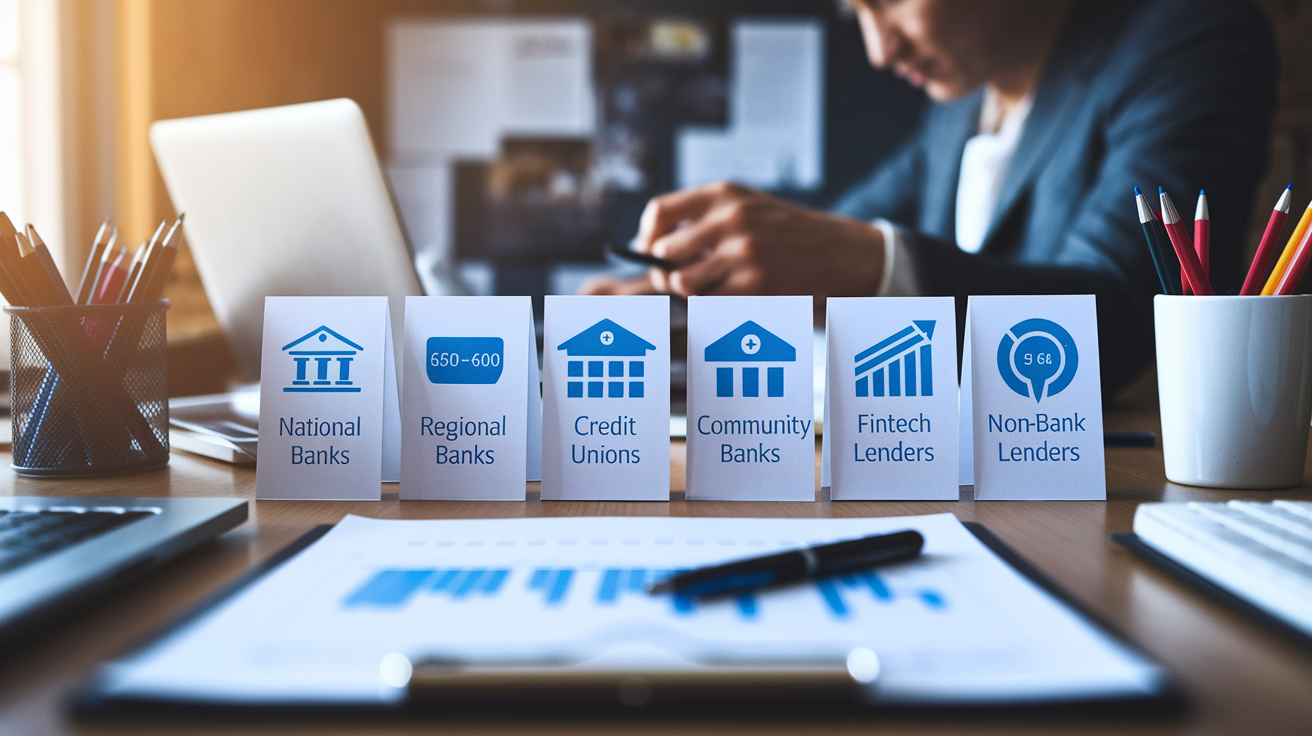
Banks processing SBA 7(a) loans, especially the big national and regional players, usually stick to 680 minimum. Some push that to 700 or higher depending on loan size and how they’re feeling about risk. Their underwriting standards don’t bend much. Getting approved below mid-600s is tough even when everything else looks solid.
Credit unions and community banks? They’re often more flexible. Many will approve borrowers in the mid-600s if the business fundamentals check out. They’ll look at your local ties, your industry experience, and they’ll actually dig into your cash flow statements instead of just running the numbers through a formula. Fintech SBA lenders and nonbank Preferred Lenders sometimes use different scoring models that pull in real-time revenue data and bank activity. That can open the door for borrowers in the 650–670 range, especially if deposits and sales velocity tell a good story about repayment capacity.
| Lender Type | Typical Credit Score | Notes |
|---|---|---|
| National/Regional Banks | 680–700+ | Strict underwriting; higher minimums for larger loans |
| Credit Unions | 650–680 | Relationship-focused; more flexible on score if cash flow strong |
| Community Banks | 650–680 | Local knowledge; willing to weigh industry experience heavily |
| Fintech/Nonbank SBA Lenders | 650–670 | May use alternative data (revenue, deposits); faster decisions |
Additional Factors That Affect SBA 7(a) Loan Approval
Revenue and profitability carry as much weight as your credit score. Lenders generally want at least two years of business operations with steady or growing revenue. Startups can sometimes get through, but they face harder questions and usually need stronger personal credit, more collateral, or a bigger equity injection upfront. A business with consistent monthly revenue and net profit over the past twelve months has a much easier time than one with uneven cash flow or recurring losses.
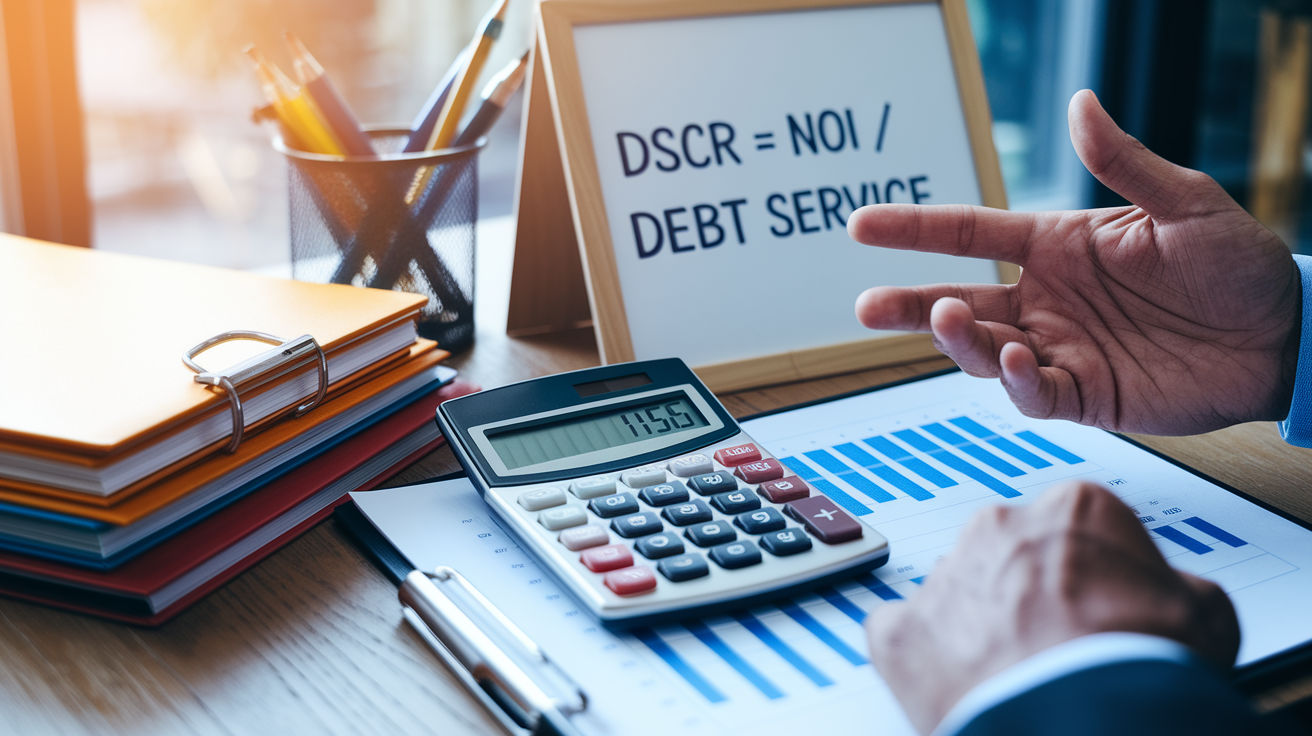
Debt service coverage ratio (DSCR) is what lenders use to measure whether you can actually handle the payments. Most want to see at least 1.15, meaning your available cash flow needs to cover 115% of the proposed loan payment plus whatever other debt you’re already carrying. Some will accept 1.10 or even 1.0 if other parts of your application compensate, but anything below 1.15 raises questions about what happens when revenue dips. You calculate DSCR by dividing annual net operating income by total annual debt service. If that number comes out low, expect requests for a bigger down payment or more collateral.
Collateral isn’t always required for SBA 7(a) loans under $25,000. Above that, lenders expect you to pledge available assets like equipment, real estate, inventory, or accounts receivable. Personal guarantees are standard for any owner with 20% or more equity. Lenders also look at personal liquidity and debt-to-income ratios. If your personal finances are stretched or you’re carrying high revolving debt, that can undercut an otherwise acceptable credit score. Industry experience matters too. A borrower with ten years in the same field and a detailed plan for deploying capital into revenue-generating assets gets more consideration than someone new to the industry asking for general working capital.
Ways to Improve Your Credit Score Before Applying for an SBA 7(a) Loan

Improving your credit score boosts approval odds and can lower your interest rate. Most meaningful improvements take 30–90 days to show up once you’ve made changes, so don’t wait until the last minute if your score sits in the 640–670 range. Lenders pull credit during underwriting, and a 20 or 30 point jump can flip a decline into conditional approval.
If you’re close to a threshold, focus on the factors that move scores fastest. Payment history and utilization make up the majority of your FICO score, so start there.
- Get credit utilization below 30%: Pay down revolving balances on credit cards and lines of credit. Getting utilization below 10% has even more impact.
- Dispute credit report errors: Pull reports from all three bureaus (Experian, Equifax, TransUnion) and file disputes for anything that’s wrong. Late payments that were actually on time, accounts that aren’t yours, all of it.
- Make all payments on time for at least 90 days: Recent payment history carries serious weight. Three straight months of on-time payments can stabilize a score that’s been hurt by past issues.
- Don’t open new credit accounts or make large purchases on credit: New inquiries and sudden debt increases both lower your score temporarily, and lenders see them as red flags during underwriting.
- Pay off collection accounts and settle outstanding judgments: Lenders won’t approve applications with open collections or unsatisfied judgments. Clear those first, then let the updates post to your credit file.
Funding Alternatives If You Don’t Meet SBA 7(a) Credit Score Requirements
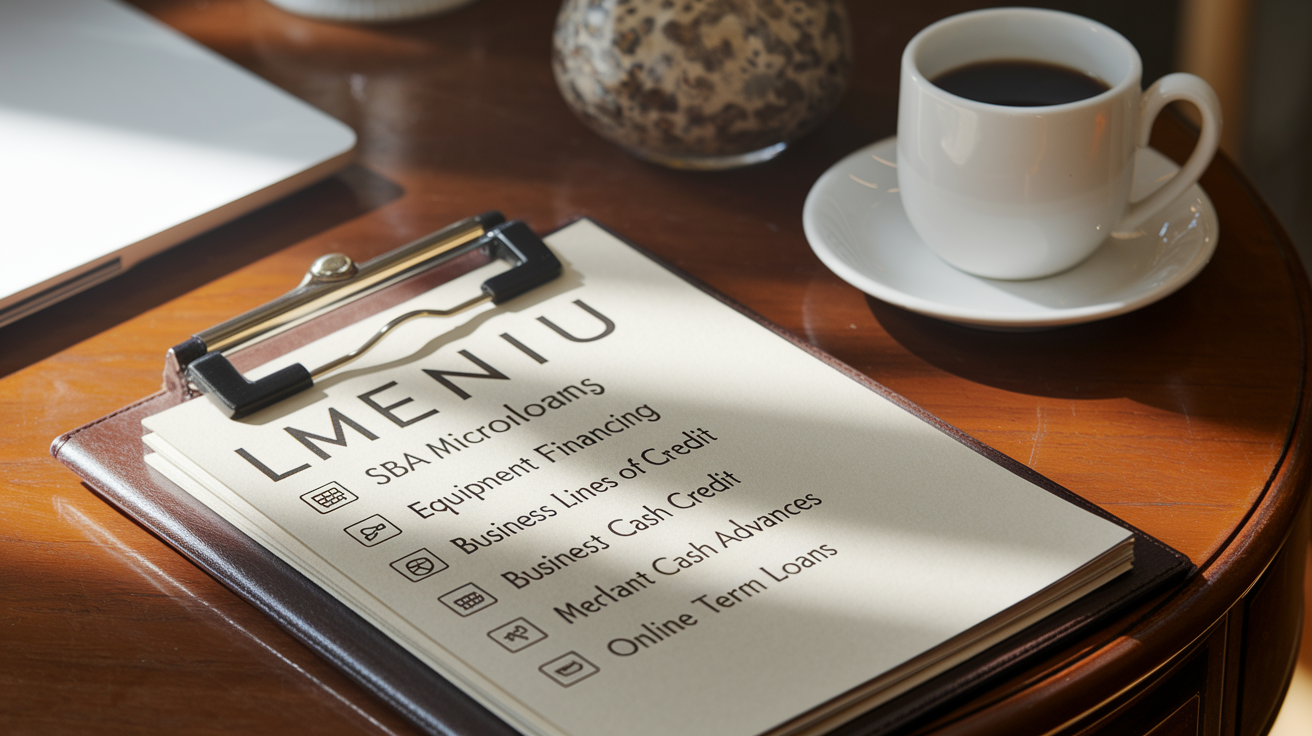
If your credit score falls below most lenders’ 7(a) thresholds, you’ve still got options that fit different cash flow patterns and funding timelines. Many approve faster than SBA loans and put less weight on personal credit, though they typically cost more or come with shorter terms. Use them when you need capital now and can’t wait to improve your score, or when your business fundamentals are strong but your personal credit history has some gaps.
- SBA Microloans (up to $50,000): Community lenders often approve scores in the 620–640 range. They focus more on business viability and owner commitment than FICO alone.
- Equipment Financing: Secured by the equipment itself. Lenders may approve scores as low as 600 because the asset provides collateral and can be repossessed if things go south.
- Invoice Factoring: Advances cash against unpaid customer invoices. Approval depends on your customers’ creditworthiness, not yours, so personal credit score often doesn’t matter.
- Business Lines of Credit (non-SBA): Some online lenders and credit unions offer unsecured lines with minimums around 650. Rates are higher than SBA loans but funding is faster and terms are more flexible.
- Merchant Cash Advances: Provide immediate cash in exchange for a percentage of daily credit card sales. Approval is based on sales volume, not credit score, but factor rates are high and daily repayment can squeeze cash flow hard.
- Online Term Loans: Fintech lenders approve borrowers in the 600–650 range using bank account data and revenue velocity. Expect higher APRs (15%–40%+) and shorter terms (6–24 months) compared to SBA loans.
Final Words
You now have the score map: most lenders want 680+, some will consider 650, and the SBA’s SBSS system can let approvals go down toward 620 in certain cases.
We also covered how banks, credit unions, and fintechs differ, the other approval factors (revenue, DSCR, time in business), ways to raise your score fast, and practical funding alternatives.
If you’re checking the sba 7a loan credit score needed, focus on small fixes and short wins. You’ve got options and a clear next step.
FAQ
Q: What credit score do I need for an SBA 7A loan?
A: The credit score you need for an SBA 7(a) loan is typically 680 or higher for most lenders; some accept mid-650s, and SBA’s scoring can technically allow approvals down toward about 620.
Q: Can I get an SBA loan with a 500 credit score?
A: You generally cannot get an SBA loan with a 500 credit score; lenders almost always require at least the low 600s, often 650–680. Rebuild credit or explore alternative funding before applying.
Q: What disqualifies you from an SBA loan / What are the common reasons 7A loans are denied?
A: Things that disqualify you or cause 7(a) denials include very low credit, weak revenue or cash flow, DSCR below about 1.15, under two years in business, recent bankruptcies, or missing paperwork.