


Why wait 90 days for a customer to pay when you can get cash today?
Accounts receivable financing turns unpaid invoices into immediate funds by using them as collateral or selling them to a factor.
It often gets you 70% to 90% of an invoice within 24 to 48 hours, though you’ll pay fees and a reserve hold.
This post shows how the main options work, what they cost, who usually qualifies, and how to pick the fit for payroll, inventory, or seasonal gaps.
Understanding How Accounts Receivable Financing Works

Accounts receivable financing lets you turn unpaid invoices into cash right now instead of waiting 30, 60, 90, or even 120 days for customers to pay. You’re using the invoices as collateral or selling them to a lender or factor. The money shows up fast, usually within 24 to 48 hours after you submit eligible invoices. You don’t need to tie up other assets or equipment.
The typical advance runs between 70% and 90% of what the invoice is worth. So a $100,000 invoice gets you somewhere between $70,000 and $90,000 up front. The lender holds the rest in reserve until your customer pays, then releases it to you minus fees or interest. Some structures work like a loan secured by your invoices. Others involve actually selling the invoices to a third party who collects from your customers.
The verification process is straightforward. The lender checks that the invoice is real, the customer pays on time, and there aren’t any existing liens or disputes on the receivable. Once verified, the advance hits your account. This kind of cash flow tool works well when payroll is due Friday, inventory needs ordering today, or a seasonal gap is squeezing operating cash.
Here’s how it typically plays out:
- You submit invoices to the lender or factor with proof of delivery or completion.
- The provider verifies details and checks your customer’s payment history and credit.
- You get an advance of 70 to 90% within one to two business days.
- Your customer pays the invoice on the original due date, either to you or directly to the lender.
- The lender releases the reserve balance to you, minus agreed fees, interest, or service charges.
Key Types of Accounts Receivable Based Financing Solutions
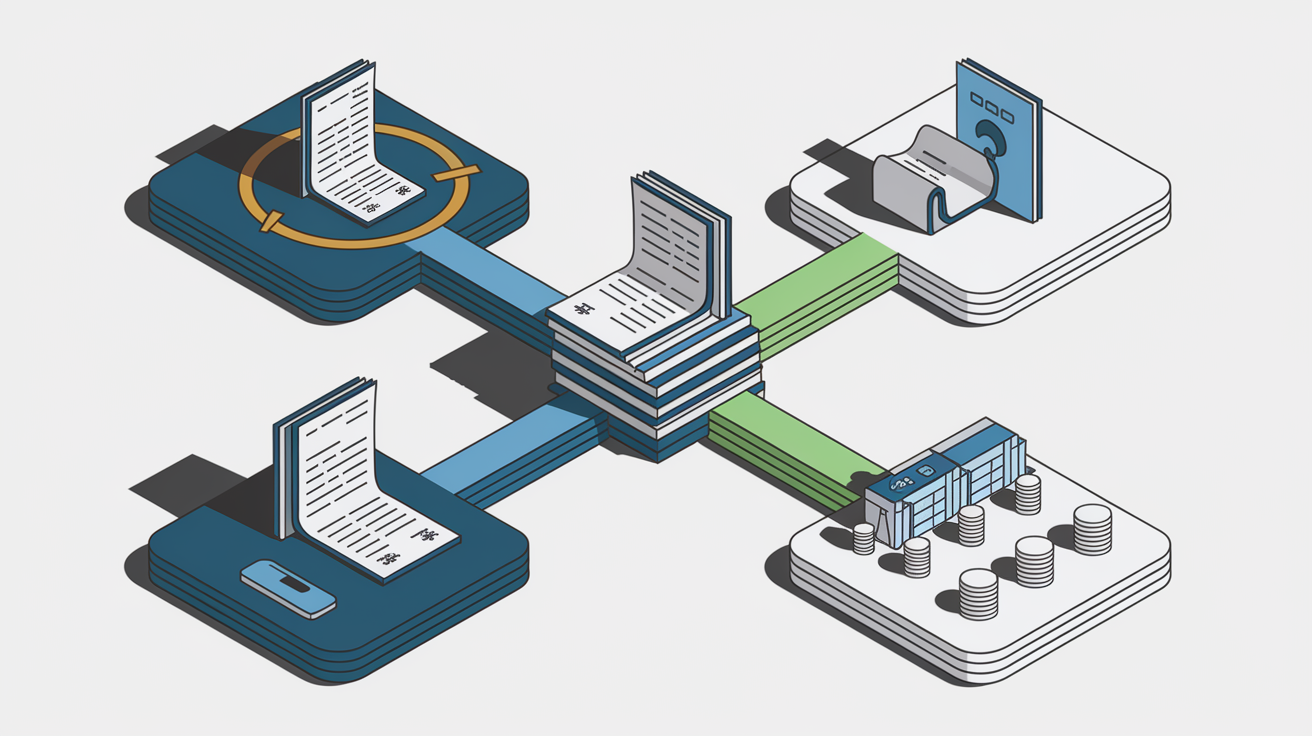
Asset based lending uses your outstanding invoices as collateral for a revolving line of credit. You borrow what you need, repay when customers pay, and draw again as new invoices come in. The lender doesn’t take ownership of the invoices. You still handle collections. Advance rates typically reach 75% to 85% of eligible receivables, and the structure works like a traditional credit line secured by invoices instead of real estate or equipment.
Factoring means selling your invoices outright to a factoring company at a discount. The factor advances you 75% to 85% of the invoice value right away, then collects payment directly from your customers. After collection, the factor sends you the remaining balance minus a fee that usually runs 1% to 3% per invoice. You’re trading a small discount for immediate cash and outsourcing the collections work. This option moves faster than most bank loans and doesn’t usually show up as debt on your balance sheet.
Invoice discounting looks similar to factoring but keeps you in control of collections. A lender advances a percentage of your invoice value, you continue to collect from customers as usual, and you repay the lender once payment arrives. Your customers typically don’t know a third party is involved. Advance rates and fees are comparable to factoring, but you keep the customer relationship and avoid any potential confusion that comes when a factor contacts your clients directly.
Supply chain finance, sometimes called reverse factoring, flips the model. A large buyer arranges for a finance partner to pay you early at a small discount, then the buyer repays the financier later on standard terms. This setup is common in industries with big anchor customers who want to support their supplier base without extending their own cash. You get paid faster, the buyer preserves payment terms, and the finance provider earns a fee.
Here’s a quick summary of each option:
- Asset based lending – Borrow against invoices via a revolving line. You keep ownership and handle collections. Typical advance 75 to 85%.
- Factoring – Sell invoices to a third party. Factor collects from customers. Advance 75 to 85% upfront, final payout minus 1 to 3% fee.
- Invoice discounting – Borrow against invoices but retain collection responsibility. Customers pay you, you repay lender. Similar advance rates.
- Supply chain finance – Buyer’s finance partner pays you early. Buyer repays partner later. Common in large enterprise supplier ecosystems.
Costs, Pricing Models, and Fee Structures in Accounts Receivable Financing

Banks and traditional lenders treat accounts receivable financing as a loan, so they charge interest on the outstanding balance. The interest accrues from the day you draw the advance until your customer pays and you repay the lender. Rates vary by creditworthiness and invoice quality, but the cost structure mirrors a short term working capital loan secured by receivables.
Factors charge a percentage based fee on each invoice rather than interest. A typical factoring fee runs 1% to 3% of the invoice value. Some factors price by time, charging 1% to 5% for each 30 day period an invoice remains outstanding. If your customer takes 60 days to pay, you’d pay roughly double the 30 day fee. After the factor collects, your net payout usually lands around 97% to 99% of the invoice face value once all fees and reserves are settled. That 1% to 3% difference is the cost of getting cash today instead of waiting.
| Cost Type | Description | Typical Range |
|---|---|---|
| Factoring fee (percentage) | Percentage of invoice value charged by factor, covers advance and collections service | 1 to 3% per invoice |
| Interest (loan based) | Accrued interest on outstanding advance balance, repaid when customer pays | Varies by provider and credit profile |
| Service / management fees | Monthly or per transaction charge for invoice processing, reporting, and account management | $50 to $500/month or per batch |
| Wire / origination fees | One time or per draw charge for funding delivery and setup | $25 to $100 per transaction |
| Reserve holdback | Portion of invoice value held until customer pays and any disputes or returns clear | 10 to 25% of invoice value |
| Hidden charges | Potential add ons such as audit fees, early termination penalties, or credit check fees | Read contract carefully, can add hundreds to thousands annually |
Eligibility Requirements and Accounts Receivable Underwriting Criteria

Lenders and factors care most about the quality of your invoices and the creditworthiness of your customers. They’re underwriting the people who owe you money, not just your business. If your invoices are issued to reliable customers with clean payment histories, approval is faster and terms are better. If your receivables come from slow payers or customers with shaky credit, expect tougher scrutiny, lower advance rates, or outright decline.
Invoice age matters. Most providers prefer invoices that are current or less than 90 days old. Invoices tied up in disputes, subject to existing liens, or missing proof of delivery typically won’t qualify. You’ll need to show that the work has been completed or the goods delivered, and that the customer has acknowledged the invoice. The debtor credit assessment often weighs more heavily than your own business credit score, especially in factoring arrangements. That’s why customer creditworthiness checks are central to the onboarding process.
Expect to provide detailed documentation during the application and due diligence phase. Lenders want to see your accounts receivable aging report, a list of your top customers with contact details, copies of recent invoices, proof of delivery or service completion, and any existing lender agreements that might include blanket liens on receivables. If you already have a line of credit or term loan secured by your invoices, you’ll need to coordinate a lien release or carve out before a new provider can step in.
Here’s a typical onboarding documents and KYC requirements checklist:
- Accounts receivable aging report showing all outstanding invoices by customer and due date
- Customer list with payment terms, history, and contact information
- Sample invoices and proof of delivery or service completion documentation
- Existing lender agreements and lien search results to confirm receivables are unencumbered
- Business formation documents, tax ID, and ownership details for compliance and identity verification
Advantages and Disadvantages of Accounts Receivable Financing for Businesses

Accounts receivable financing offers a fast path to working capital without pledging equipment, real estate, or personal assets. You convert invoices into cash within 24 to 48 hours after the provider verifies them, which is a lifeline when payroll is due, inventory needs restocking, or an unexpected expense hits. The funding is flexible. You choose which invoices to finance and when, so there’s no fixed monthly payment tying up cash flow like a traditional term loan. And because you’re borrowing or selling against earnings you’ve already recorded, the approval process often moves faster and relies more on your customers’ creditworthiness than your own balance sheet.
Advantages:
- Cash arrives fast, often within one to two business days after invoice submission and verification.
- No additional collateral required beyond the invoices themselves, protecting business and personal assets.
- Flexible and discretionary. Finance only the invoices you need, when you need them, without mandatory monthly draws.
- Helps smooth cash flow and reduce days sales outstanding (DSO) without waiting 30 to 120 days for customer payments.
- Retains full ownership and control of your business. No equity dilution or outside shareholders.
- Some structures (factoring) may not appear as traditional debt on your balance sheet, preserving debt to equity ratios.
Disadvantages:
- Higher cost than traditional bank loans. Factoring fees of 1 to 3% per invoice and interest on advances can add up quickly.
- Customer confusion or discomfort when a factor contacts them directly to collect payment.
- Not all receivables qualify. Only invoices from creditworthy customers, free of liens and disputes, are eligible.
- Factoring hands collections responsibility to a third party, which can strain customer relationships if not managed well.
- Possible hidden fees such as service charges, wire fees, reserve holdbacks, and early termination penalties.
Accounts receivable financing works best when you need liquidity now and your customers have strong payment track records. It’s a tool for managing short term cash flow gaps, not a long term replacement for sustainable working capital practices. If your margins are tight and fees eat into profitability, or if outsourcing collections risks damaging key customer relationships, weigh the cost and control trade offs carefully.
Comparing Accounts Receivable Financing vs. Invoice Factoring
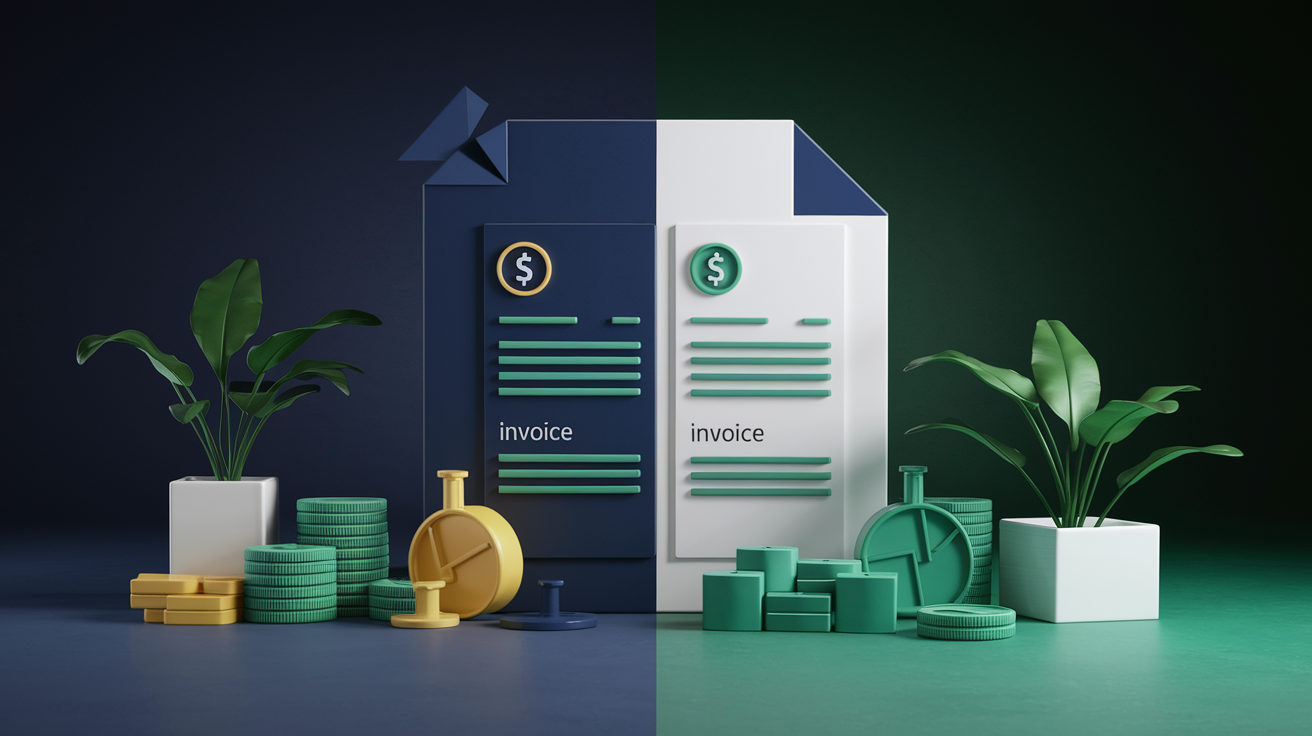
Accounts receivable financing typically refers to borrowing against your invoices using them as collateral, while factoring means selling the invoices outright to a third party. In a receivables financing arrangement, you take out a loan or draw on a line of credit, the lender holds a security interest in the invoices, and you remain responsible for collecting payment from customers. Once customers pay, you repay the lender plus interest and any fees. You keep control of the customer relationship and the collections process.
Factoring flips that model. You sell the invoices to a factoring company at a discount. The factor advances you 75% to 85% of the invoice value immediately, then collects payment directly from your customers. After collection, the factor sends you the remaining balance minus a fee that usually runs 1% to 3% of the invoice face value. Your net proceeds typically land around 97% to 99% of the original invoice. The factor takes on the collections work, which can free up your internal resources, but it also means your customers interact with a third party, and that can sometimes create friction or confusion.
One of the biggest practical differences is who handles collections. In receivables financing, you collect from customers as usual, then repay the lender. In factoring, the factor’s name often appears on invoices or collection notices, and customers send payment directly to the factor. If your customers are used to dealing with you and value that relationship, receivables financing may be the safer route. If you’re stretched thin and outsourcing collections saves time and effort, factoring can make sense. Just be ready for the occasional customer question about why someone else is calling.
Recourse Options in Factoring
Recourse factoring means you’re still on the hook if your customer doesn’t pay. The factor advances cash and handles collections, but if the invoice remains unpaid after a set period, often 60 or 90 days, the factor can demand repayment from you. You effectively guarantee the invoice. Non recourse factoring shifts that risk to the factor. If your customer fails to pay due to insolvency or bankruptcy, the factor absorbs the loss, not you. Non recourse arrangements cost more because the factor is taking on credit risk, but they offer peace of mind when customer creditworthiness is uncertain.
The holdback or reserve percentage is the portion of the invoice value the factor keeps until your customer pays. A typical reserve runs 10% to 25% of the invoice. Once the customer pays in full and any disputes or returns are cleared, the factor releases the reserve to you minus the agreed fee. This reserve protects the factor against returns, chargebacks, or partial payments. In selective or spot factoring, you pick individual invoices to sell rather than committing all receivables to one factor, which can give you more control and potentially better pricing if you shop around.
How to Apply for Accounts Receivable Financing and Typical Timeline
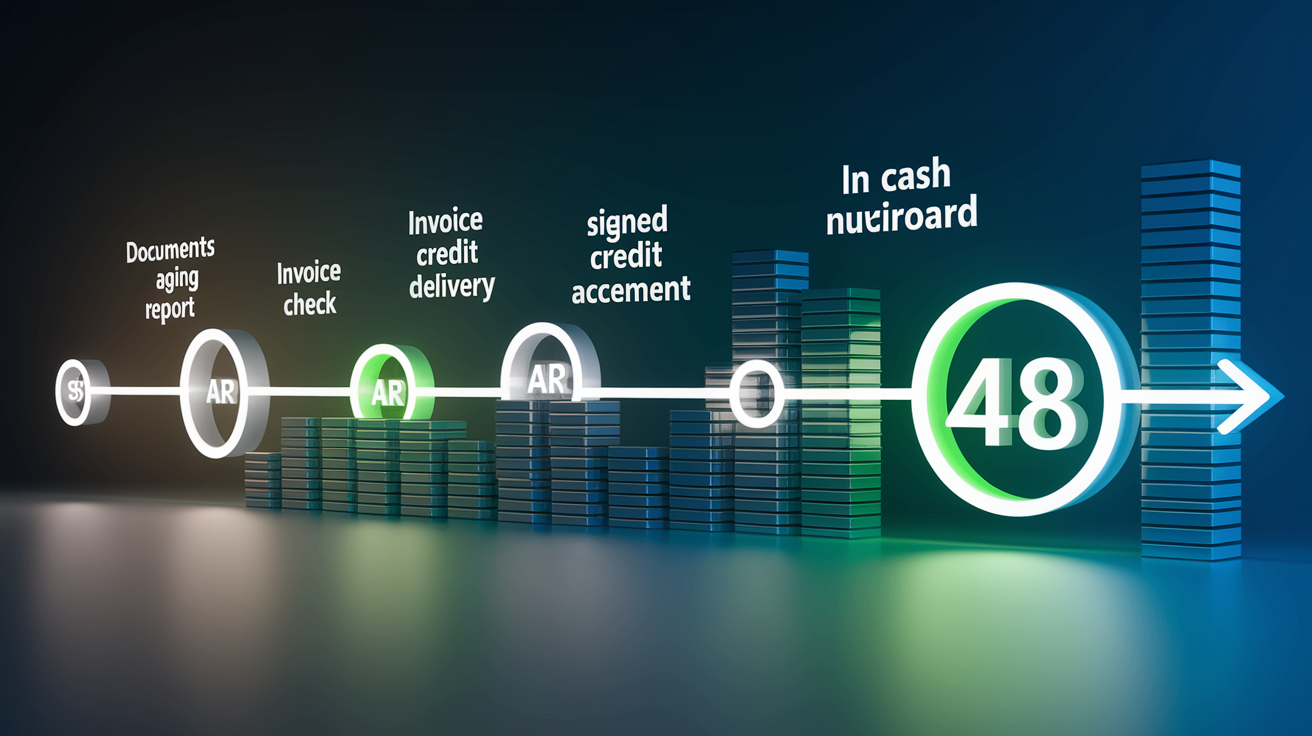
The application process starts with gathering your accounts receivable aging report, a list of your top customers, and copies of recent invoices with proof that work was completed or goods delivered. Most providers ask for three to six months of AR aging to understand your typical collection cycle and customer payment behavior. You’ll also need to disclose any existing liens on receivables and provide basic business formation documents and tax ID for compliance.
Once you submit the paperwork, the provider performs invoice verification and runs customer credit checks. They want to confirm that the invoices are real, the amounts are accurate, and the customers have a track record of paying on time. If you have an existing lender with a blanket lien on receivables, you’ll need to coordinate a lien release or carve out. That step can add a few days, but most providers are familiar with the process and can guide you through it.
Initial onboarding typically completes in less than a week. After that, ongoing funding happens fast, often within one to two business days of submitting new invoices. Fintech factors and specialized lenders use automated systems to verify invoices and approve advances, which speeds everything up compared to traditional bank underwriting. Once you’re onboarded, the rhythm is simple: submit invoices, get an advance, customer pays, reserve is released minus fees.
Here’s the step by step process from application to funding:
- Prepare documentation – Gather AR aging report, customer list with payment terms and history, recent invoice copies, proof of delivery or service completion, and existing lien information.
- Submit application – Complete the provider’s application form and upload or send the required documents. Most providers accept online submissions.
- Invoice and customer verification – Provider checks invoice authenticity, confirms delivery, and runs credit checks on your customers to assess payment risk.
- Negotiate terms – Agree on advance rate (typically 70 to 90%), fee or interest structure, reserve percentage, and notification or non notification preferences.
- Execute agreement and finalize onboarding – Sign the contract, complete KYC and compliance checks, and set up payment routing. This stage usually wraps up in under a week.
- Receive funding – Submit eligible invoices, provider advances cash within 24 to 48 hours, customer pays invoice, provider releases reserve minus fees.
Example Calculations: How Much Cash You Can Receive from Accounts Receivable Financing

A concrete example helps clarify the math. Say you have a $100,000 invoice due in 60 days. You work with a factor offering an 80% advance rate and charging a 2% fee for every 30 days the invoice is outstanding. The factor advances you $80,000 immediately. Your customer pays on day 60, so the total fee is 4% (2% × 2 periods), which equals $4,000. The factor collected $100,000 from your customer, holds $20,000 in reserve, subtracts the $4,000 fee, and sends you the remaining $16,000. Your total net proceeds are $96,000 on a $100,000 invoice, or 96% of face value.
In a second scenario, you have a $50,000 invoice and use a factor with an 85% advance and a flat 3% fee. You receive $42,500 up front (85% of $50,000). After your customer pays, the factor releases the $7,500 reserve, deducts the $1,500 fee (3% of $50,000), and sends you $6,000. Your total take is $48,500, or 97% of the invoice value. The faster you need the money and the longer your customer takes to pay, the more the fee percentage matters.
| Example Scenario | Upfront Advance | Final Net Proceeds |
|---|---|---|
| $100,000 invoice, 80% advance, 2% fee per 30 days, paid in 60 days | $80,000 | $96,000 (4% total fee = $4,000) |
| $50,000 invoice, 85% advance, 3% flat fee, paid in 45 days | $42,500 | $48,500 (3% fee = $1,500) |
| $75,000 invoice, 75% advance via AR loan, 8% annual interest, repaid in 30 days | $56,250 | ~$74,625 (interest ~$375 for 30 days at 8% APR) |
Industry Use Cases and When Accounts Receivable Financing Makes Strategic Sense

Accounts receivable financing fits best in B2B industries where invoices are large, customers are creditworthy, and payment terms stretch 30 days or longer. Construction companies waiting on progress payments can use AR financing to cover payroll and material costs between milestone billings. Manufacturing firms that buy raw materials up front but invoice finished goods on net 60 terms can bridge the gap and keep production lines running. Healthcare providers dealing with slow insurance reimbursements can factor medical invoices to maintain cash flow while claims process.
Staffing agencies are heavy users of invoice financing and factoring because they pay employees weekly but invoice clients on 30 or 60 day terms. That mismatch creates a constant cash crunch, and factoring smooths it out by turning each week’s invoices into immediate payroll funding. Seasonal businesses like landscaping, holiday retail suppliers, event production can tap AR financing during slow months when receivables are the only liquid asset, then pay down balances when revenue picks up.
The common thread across all these use cases is predictable receivables from reliable customers. If your invoices come from government agencies, large corporations, or established institutions with solid payment histories, lenders and factors see low risk and offer better terms. If your receivables are small, consumer focused, or scattered across hundreds of one time buyers, AR financing becomes harder to access and more expensive because the underwriting and collections overhead rises.
Industries and scenarios where AR financing typically delivers the most value:
- Construction and contracting – Bridge gaps between project milestones and progress payments. Cover labor and material costs during long billing cycles.
- Manufacturing and distribution – Finance raw material purchases and production runs while waiting for finished goods invoices to be paid on net 60 or net 90 terms.
- Staffing and recruiting agencies – Convert weekly timesheets into immediate payroll funding when clients pay on 30 or 60 day schedules.
- Healthcare and medical billing – Factor insurance claims and patient invoices to maintain operations during slow reimbursement cycles.
- Seasonal and event based businesses – Use AR financing to manage cash flow during off peak months when receivables are the primary liquid asset.
Choosing the Right Receivables Financing Provider and Negotiating Terms
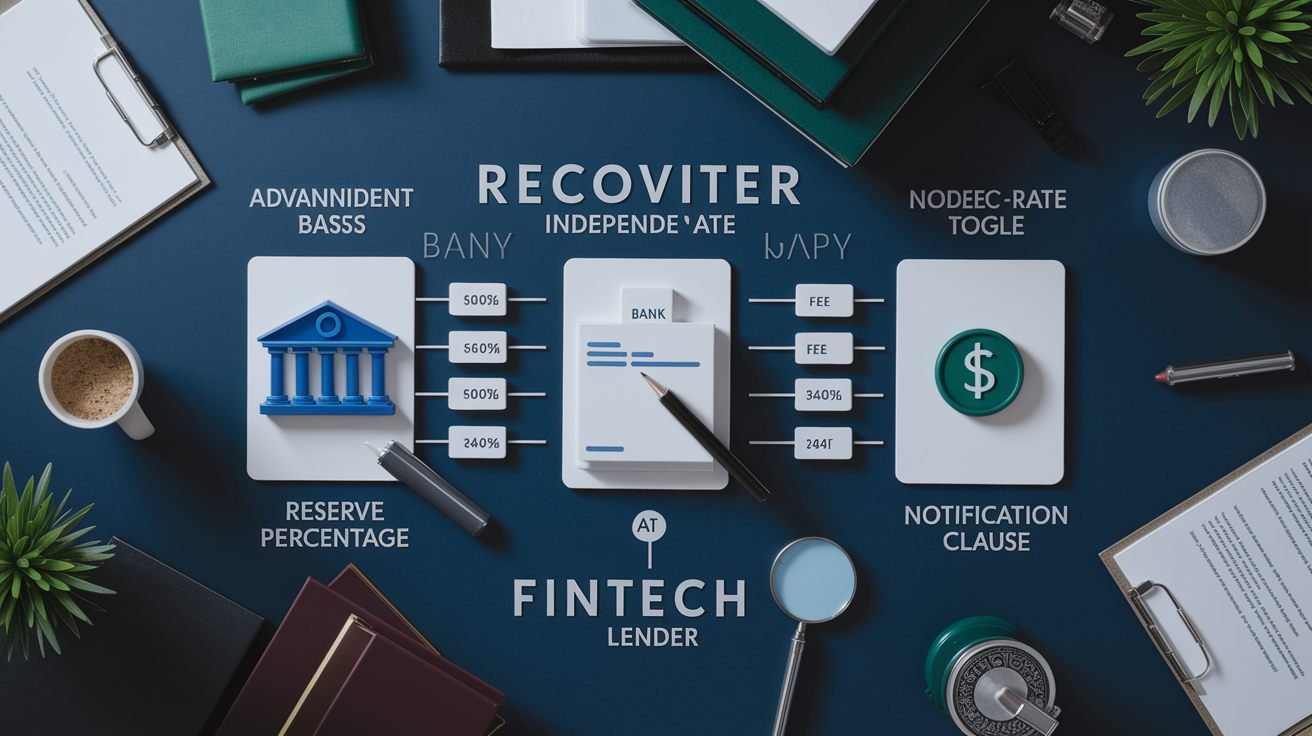
Provider types break into three main buckets: traditional banks offering asset based lending, independent factoring companies, and fintech lenders. Banks tend to be more conservative, require more documentation, and take longer to approve, but they often offer lower rates if you qualify. Independent factors move faster, handle more flexible arrangements, and focus on customer credit rather than your balance sheet, but their fees run higher. Fintech platforms use automated underwriting and can deliver near instant approvals and funding, especially for smaller invoice amounts, though pricing and terms vary widely.
Key contract terms to watch include the advance rate, reserve percentage, fee or interest schedule, notification requirements, and termination clauses. A higher advance rate means more cash up front but may come with higher fees. The reserve percentage determines how much gets held back until customers pay. Notification factoring means the factor contacts your customers directly. Non notification keeps the relationship invisible to customers but may cost more. Termination clauses matter because some contracts lock you in for a minimum period or charge penalties if you leave early.
Hidden fees can sneak in through wire charges, monthly service fees, audit fees, credit check costs, and reserve release delays. Always ask for a full fee schedule in writing and run the math on total cost, not just the headline rate. If you’re financing selectively or only during certain months, make sure the contract allows that flexibility without minimum volume penalties. Rate benchmarking across multiple providers is the best way to spot outliers and negotiate better terms.
Key Terms to Review Before Signing
Reserve percentages typically range from 10% to 25% of invoice value and get released only after your customer pays and any disputes clear. A high reserve ties up more cash longer, so push for the lowest percentage that fits the provider’s risk tolerance. Termination clauses define how and when you can exit the agreement. Some contracts require 30 to 90 days’ notice and charge fees if you leave before a minimum term. Others let you walk away anytime without penalty. Read the fine print.
Notification versus non notification factoring changes how your customers experience the arrangement. In notification factoring, invoices list the factor’s payment address and the factor contacts customers to collect. It’s cheaper but visible. Non notification factoring keeps the factor invisible. Customers pay you, and you remit to the factor. It costs more but preserves the relationship. Fee benchmarks depend on your industry and customer credit, but if you’re quoted above 5% per invoice or per 30 day period, shop around.
Provider selection checklist before you sign:
- Confirm the advance rate and reserve percentage in writing. Typical ranges are 70 to 90% advance and 10 to 25% reserve.
- Review the complete fee schedule including factoring fees, service charges, wire fees, and any audit or credit check costs.
- Understand notification preferences and how customers will be contacted (if at all) for payment.
- Check termination terms: notice period, minimum contract length, and any early exit penalties.
- Verify recourse versus non recourse status and who bears the risk if a customer doesn’t pay.
- Ask about flexibility to finance selectively (specific invoices or customers) versus committing all receivables to one provider.
Final Words
in the action, we showed how unpaid invoices turn into immediate cash, the usual advance-rate ranges, and how quickly funds can arrive after onboarding.
We covered the main product types, fee models and holdbacks, underwriting checks, step-by-step application timing, example math, and practical industry uses.
If you need cash fast, accounts receivable financing can be a practical fit, with quick advances, clear costs, and lenders who focus on your customers. Pull the last 3 months of AR and your top buyer list, and you’ll know if it’s a good move.
FAQ
Q: What is account receivable financing?
A: Accounts receivable financing is a way to turn unpaid invoices into immediate cash by borrowing against or selling those invoices, often advancing 70 to 90 percent within 1 to 2 days after verification, minus fees.
Q: What is an example of AR financing?
A: An example of AR financing is selling a $100,000 invoice to a factor and getting an 80 percent advance ($80,000) immediately, with the factor collecting from the customer and deducting fees when paid.
Q: What are accounts receivable in finance?
A: Accounts receivable in finance are the amounts customers owe your business for goods or services sold on credit, usually due in 30 to 120 days and often used as collateral for financing.
Q: Are accounts receivable financed by debt or equity?
A: Accounts receivable are typically financed as debt or sold outright, not by equity; lenders make loans secured by invoices or factors buy invoices, so receivables don’t represent ownership.